The relationship between an island community and the ocean is typically a long, beautiful dialogue, defined by the predictable rise and fall of the tides and the bountiful harvest of the coastal shelves. Along the archipelagos where life has settled near the water for generations, the sea is an expansive home, its rhythmic surf a constant background presence to daily commerce. Yet, when the deep earth fractures miles away beneath the ocean floor, that companionable water undergoes a profound and sudden transformation, changing from a source of life into an unpredictable force that demands an immediate, collective retreat.
A massive magnitude 7.8 offshore earthquake struck deep within the maritime trench, triggering a sequence of regional tsunami warnings and forcing the immediate evacuation of thousands of coastal residents. The event began not with a visual cue, but with a deep, low-frequency rumble that vibrated through the bedrock, causing structures on land to sway with an unsettling momentum. For several minutes, the earth refused to settle, a stark reminder of the immense tectonic forces that continuously reshape the foundations of the archipelago beneath the cover of the waves.
According to bulletins coordinated by the Philippine Institute of Volcanology and Seismology alongside the Pacific Alert network, the epicenter was located in a highly volatile subduction zone known for generating significant seismic displacements. Within moments of the primary shockwaves subsiding, automated coastal gauges registered anomalous sea-level fluctuations, the classic signature of an impending maritime surge. This data triggered the immediate activation of sirens across low-lying fishing villages and coastal resorts, transforming a quiet afternoon into a focused, disciplined evacuation toward the safety of the interior hills.
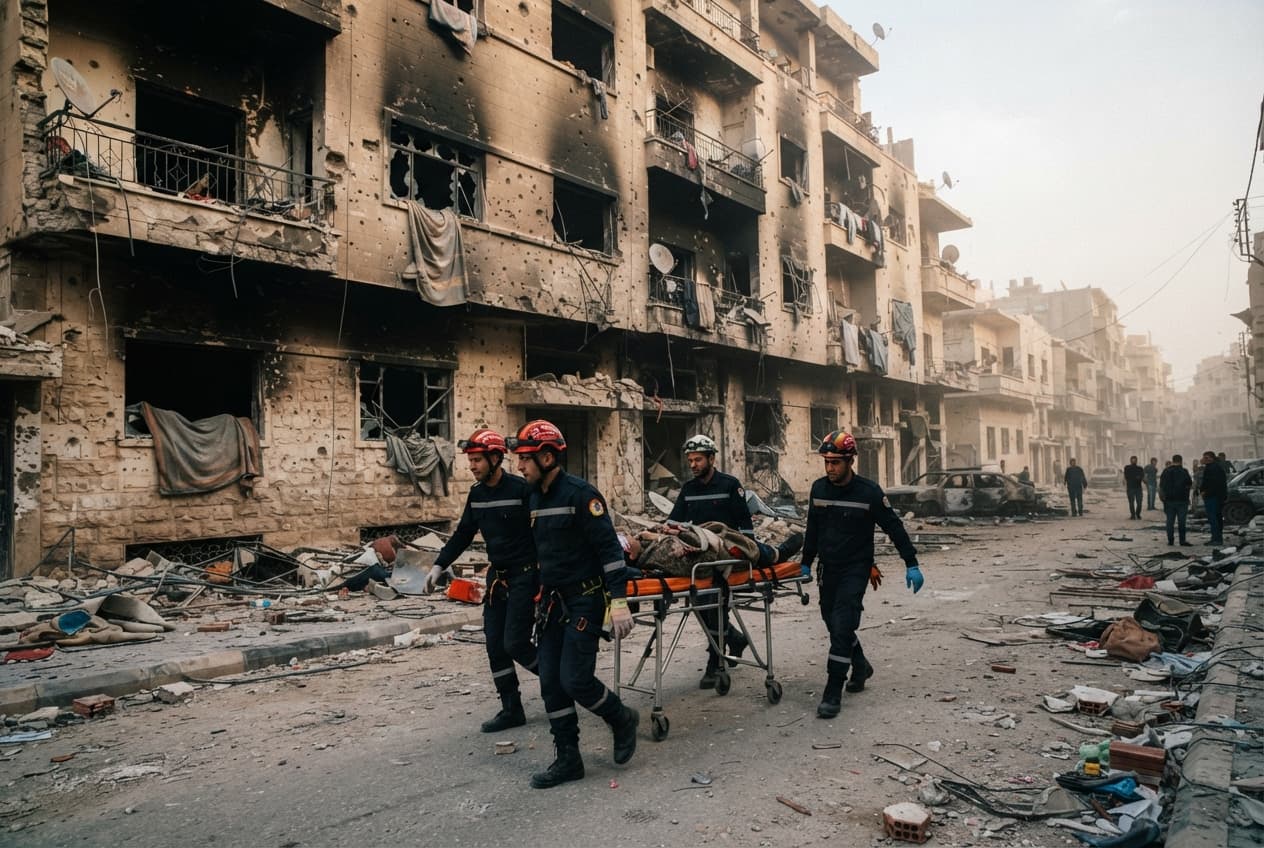
To witness a large-scale coastal evacuation is to see a society momentarily uprooted by the absolute authority of natural portents. Long lines of vehicles, their headlights cutting through the afternoon haze, moved steadily up the narrow mountain roads, while those on foot carried small bundles of essential belongings toward designated high-ground sanctuaries. There was no room for hesitation; the memory of past surges runs deep in these communities, fostering a quiet, unspoken compliance with the instructions of emergency personnel who directed the flow of traffic from vulnerable intersections.
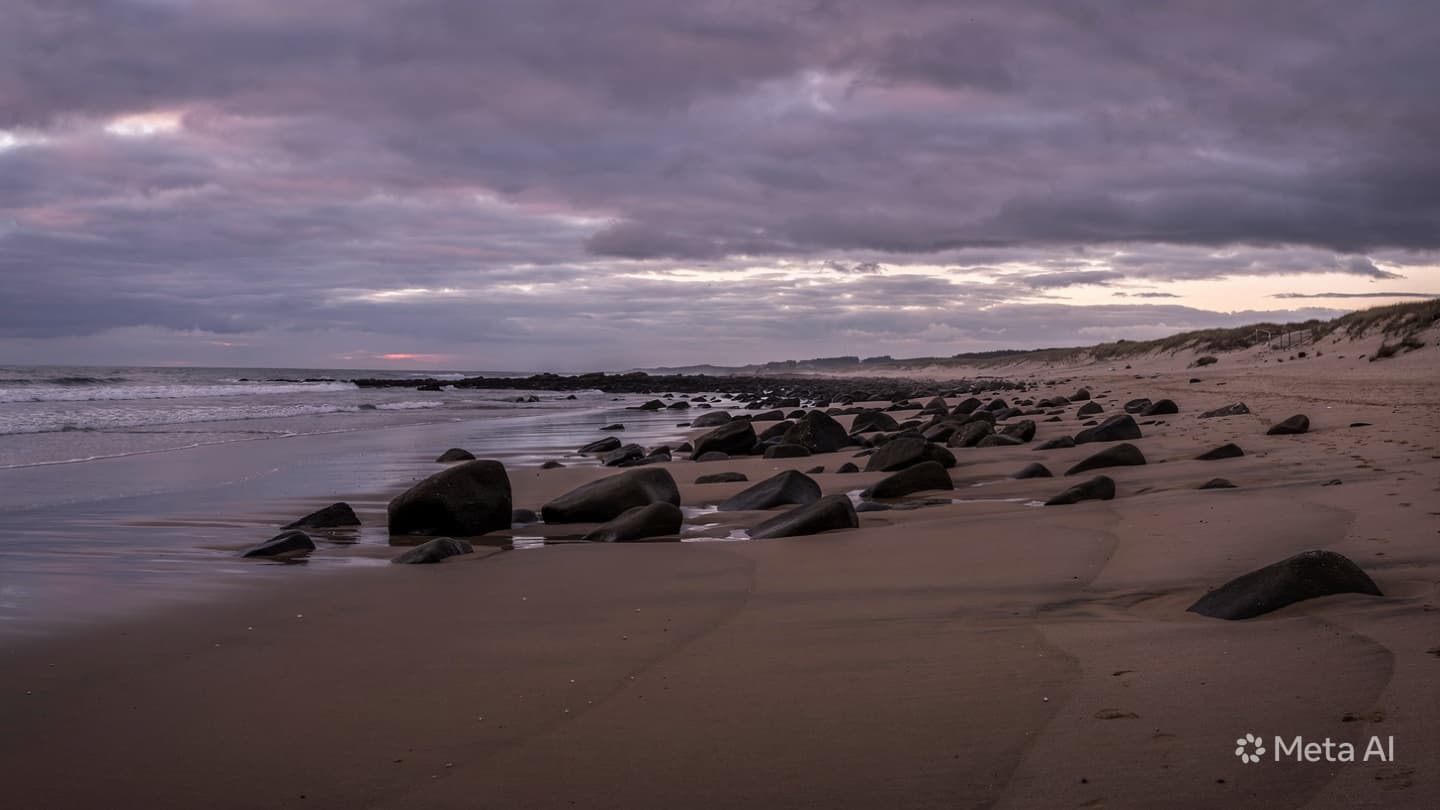
The physical appearance of the shoreline during a tsunami warning is characterized by a strange, unnatural stillness. In some sectors, the water withdraws significantly, exposing vast expanses of the reef and stranded sea life that are typically hidden beneath the surf. This receding tide, far from being a peaceful event, is the ocean drawing back its breath before delivering a powerful surge, creating an ominous landscape that serves as an urgent warning to any who remain within the hazard zone. The empty beaches, usually vibrant with activity, stood silent under a heavy sky.
Throughout the evening, as the initial waves reached the outer monitoring stations, emergency management teams remained glued to satellite readouts and real-time pressure sensors anchored to the sea floor. The process of tracking a tsunami is an exercise in profound scientific precision, where minor changes in wave height across the open ocean can translate into significant inundations when the water enters shallow bays. The coordination between local authorities and international tracking centers ensured that information was disseminated with minimal delay, preventing panic while maintaining a necessary state of readiness.
The resilience of modern coastal architecture is subjected to its ultimate test during these large-scale marine events. Sea walls, mangrove restoration zones, and reinforced concrete structures are designed to absorb and deflect the energy of the water, mitigating the impact on the communities that sit just behind the perimeter. This incident highlights the ongoing importance of investing in natural and engineered defenses along vulnerable coastlines, where the margin between protection and disaster is often determined by the foresight of urban planners and environmental scientists.
As the morning light slowly returned to the coast, and international agencies officially downgraded the primary alerts, the residents began their slow descent back to the lowlands. They returned to a landscape that had escaped the worst of the anticipated devastation, yet the experience left an enduring mark on the collective consciousness of the population. The sea had returned to its accustomed boundaries, its small waves lapping peacefully against the sand, but the memory of the deep tremor remained—a reminder that along the coast, safety is always maintained in cooperation with the earth beneath the waves.
The Philippine Institute of Volcanology and Seismology, in coordination with the Pacific Alert network, issued comprehensive tsunami warnings following a magnitude 7.8 offshore earthquake that triggered immediate coastal evacuations. Emergency operations centers successfully directed thousands of residents to designated high-ground shelters across multiple provinces. Maritime authorities report that while minor sea-level surges were recorded at regional monitoring stations, the primary threat has subsided, allowing for a gradual return of populations under continuous monitoring protocols.
Published by Banx Network. This article is part of the Banx decentralized media programme, powered by the BXE token on the XRP Ledger.