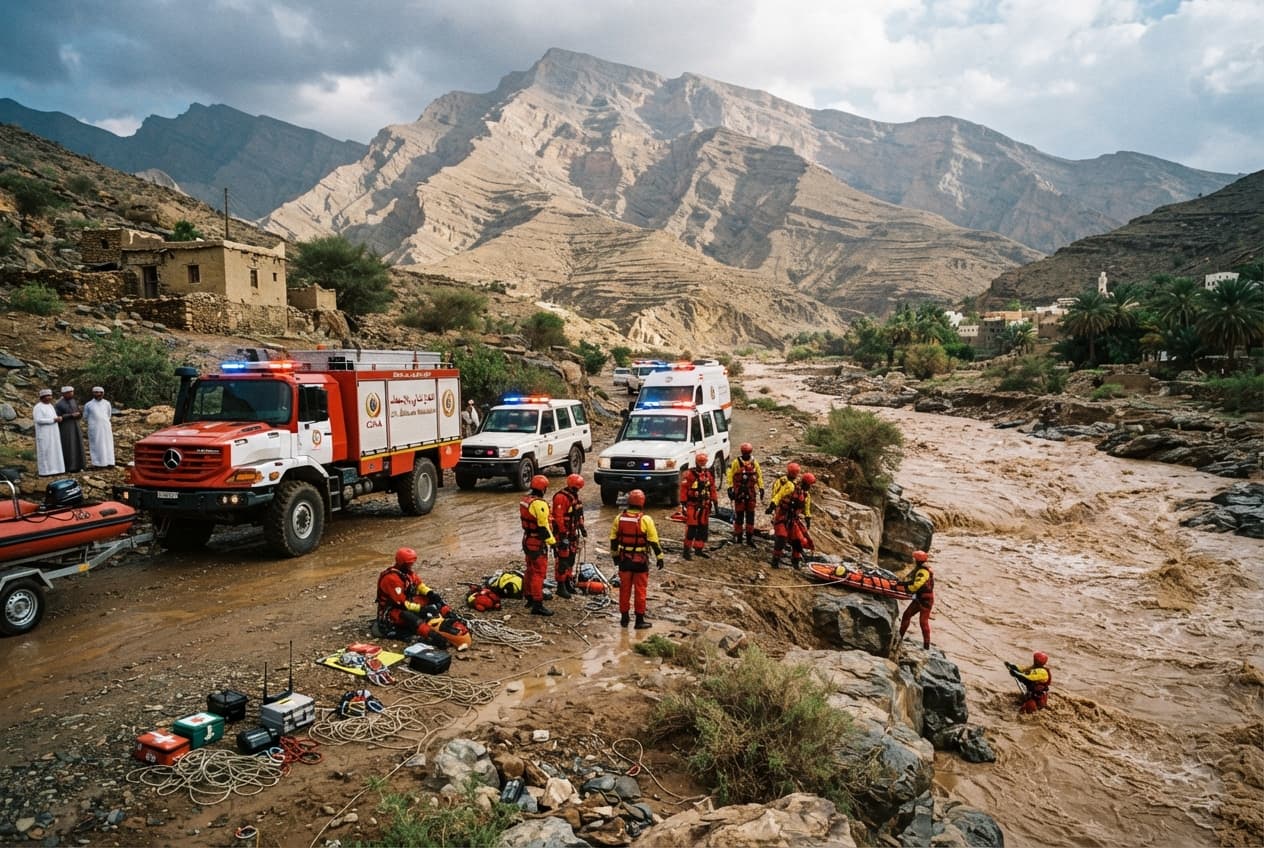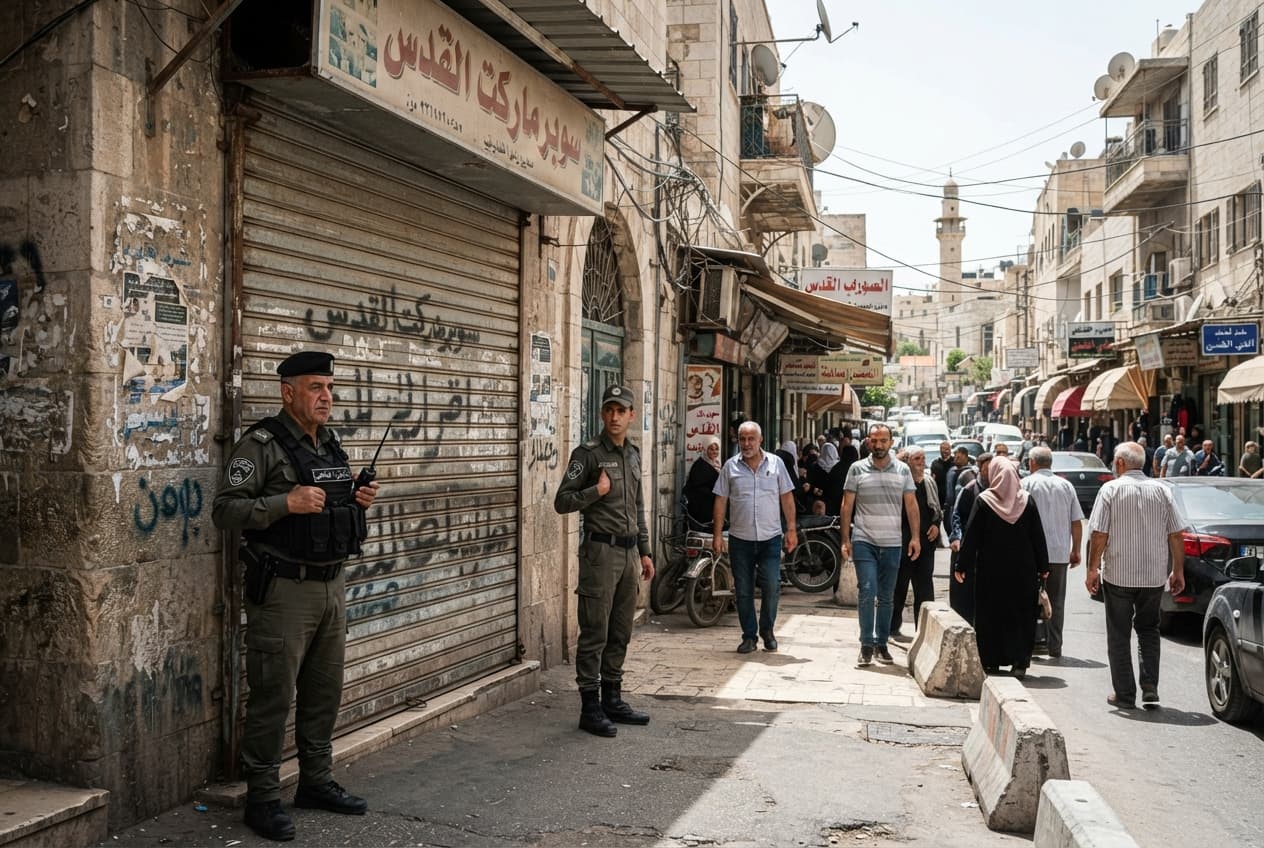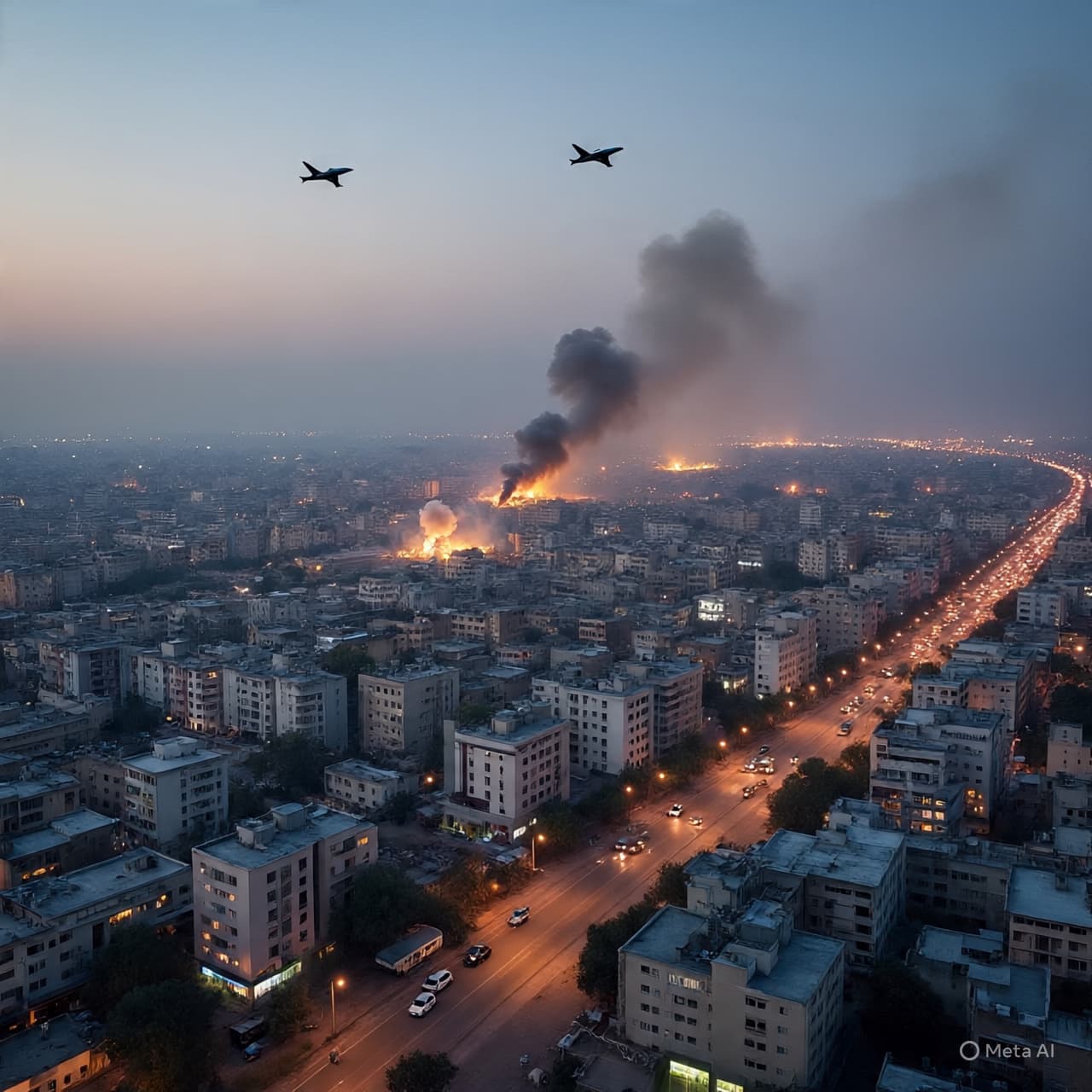
In the early hours of a new week, the rising sun did not bring peace but the distant lightning of conflict that stretched from the high rises of Tehran to the narrow streets of Beirut. Like ripples in a pond struck by a stone, the latest reverberations in the Middle East show how swiftly a local storm can become a regional current, tugging at nations’ shores and hearts alike.
For years, the Middle East has known the uneasy hum of tension—sometimes a whisper, sometimes a crack of thunder. In recent days, that hum has grown into a tumultuous crescendo as coordinated air operations, led by Israel and supported by the United States, have struck military and strategic sites deep within Iran. These strikes, touching the capital’s heart, followed months of rising hostilities and marked an escalation whose path few had fully mapped.
President Donald Trump, speaking from Washington, outlined a set of objectives intended to frame the operation: the dismantling of missile capabilities, the neutralization of a naval threat, prevention of nuclear advancement, and cuts to support for armed proxies across the region. These goals, he said, motivated the campaign, even as he acknowledged that combat operations could last weeks and could entail further casualties.
Yet the reality on the ground carries the gentle but ubiquitous weight of human cost. For every declared aim and military term, there are families displaced, cities under alert, and civilians contending with the stark interruption of daily life. In Beirut, waves of rockets from Hezbollah—an Iranian-aligned group—led to swift Israeli airstrikes across southern suburbs, leaving neighborhoods scarred and livelihoods paused.
In capitals from Tehran to Tel Aviv, sirens and the rumble of defense systems have become part of the waking day. The Pentagon, in its own reflections, has stressed that this is not meant to become an unending engagement, even while military leaders concede that achieving the stated objectives will take time and persistence.
Officials in both Tehran and Beirut have voiced a firm commitment to responding to what they frame as external aggression—with missiles fired, retaliation launched, and defiance broadcast. These expressions, stark in contrast to diplomatic overtures, underscore both the complexity of the region’s alliances and the tangled roots of longstanding grievances.
There are calls across the world for de-escalation, for room between the rhetoric of war and the hope for peace. Yet, amid the clouds of smoke and the cadence of explosions, such calls must compete with the rhythm of military strategy and geopolitical posturing.
As the day ends and another begins, the eyes of nations remain fixed on both horizon and headlines. In every town touched by explosions, and in every capital where maps are redrawn by strategy, there is a shared yearning for a calm that feels distant and uncertain. Still, beneath the headlines and beyond the objectives, the enduring question lingers: how will ordinary lives find space to breathe under the shadow of such sweeping conflict?
AI Image Disclaimer (Rotated Wording) “Visuals are created with AI tools and are not real photographs.”
Sources The Guardian Associated Press Reuters PBS NewsHour CBS News Washington Post
Published by Banx Network. This article is part of the Banx decentralized media programme, powered by the BXE token on the XRP Ledger.