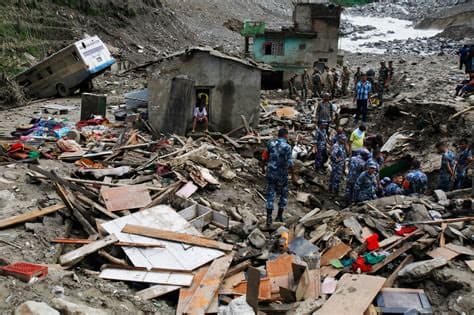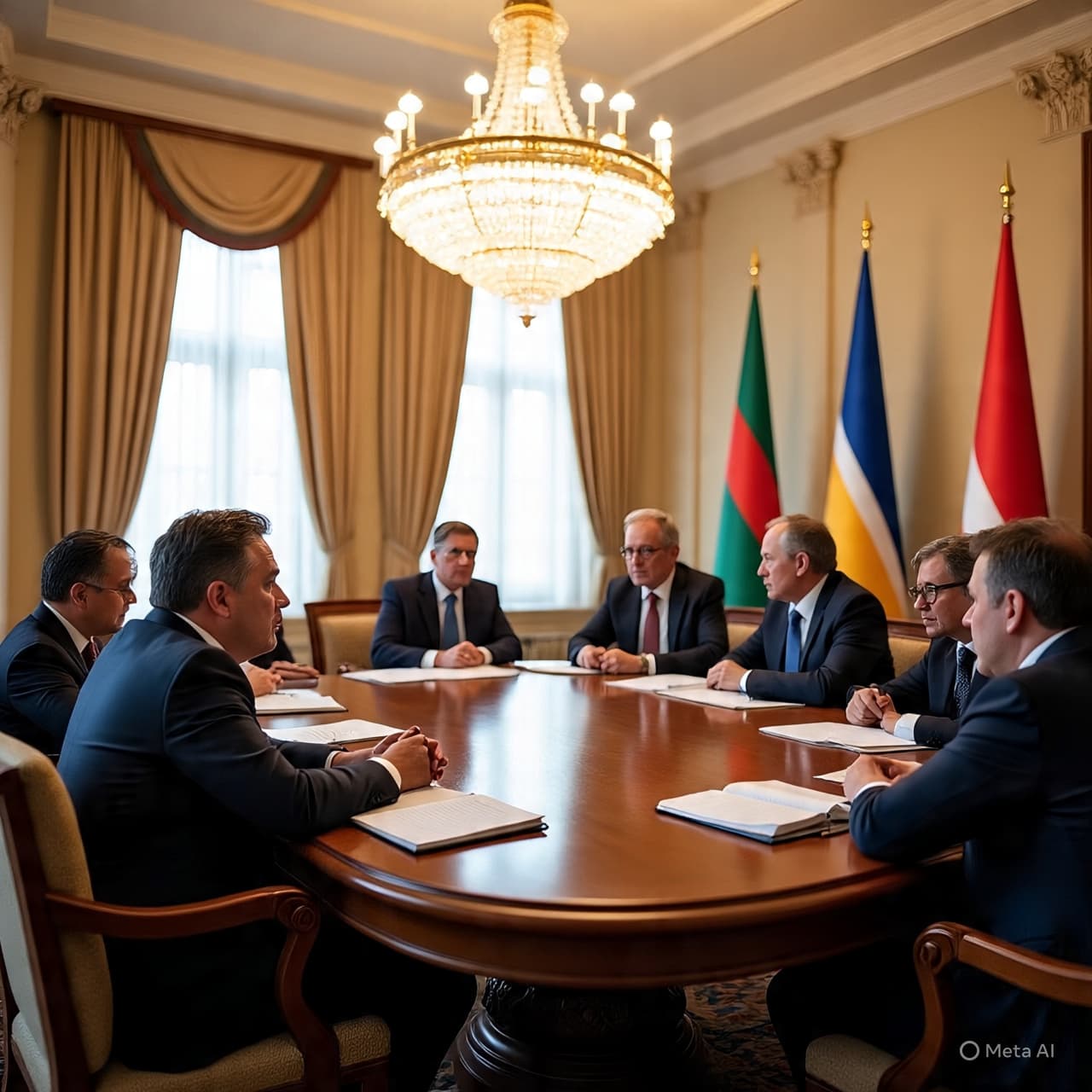
In the quiet moments before sunrise, when the horizon blushes with fragile light, far-off decisions made in capitals can feel like distant storms gathering. So it is now, as the arc of U.S.–Iran relations bends toward uncertainty, and voices in Washington and Tehran fill the air with cautious language and loaded warnings. In these days of shifting skies, the world watches and wonders whether diplomacy can still find a path through shadows cast by fear and history. Over the past weeks, the world has witnessed an intensification of tensions between the United States and Iran, marked by a larger military presence in the Middle East and brisk diplomacy that has yet to yield a firm agreement. U.S. President Donald Trump has openly voiced his dissatisfaction with the pace and substance of nuclear talks, hinting at limits to his patience as negotiators in Geneva and Vienna seek common ground. Despite his preference for dialogue, Trump’s language has sometimes carried the weight of stern warning, describing the possibility of “very bad things” should a deal fail to materialize — phrases that ripple far beyond the chambers where they are spoken. Meanwhile, U.S. authorities have taken visible precautionary steps. The State Department has ordered non-essential diplomats and families to leave the embassy in Beirut, reflecting concerns about regional instability as military assets are amassed and carrier groups draw closer to Middle Eastern waters. Such movements are often interpreted as both prudence and pressure: diplomatic chess anchored with the weight of steel. On the ground, allies like Israel are also responding to the delicate puzzle before them. Heightened alertness, airspace precautions, and strategic positioning underscore how interconnected these relationships have become, and how rapidly local decisions can have wide-ranging consequences. For its part, Tehran has maintained that talks could continue and that certain diplomatic openings exist, even as foreign ministers and mediators like those from Oman strive to bridge differences. Yet the clock of geopolitical urgency seems to tick louder with each session and each statement that underscores mutual distrust. What unfolds in these corridors of power is far from a simple story of threat and response. It is a tapestry of old grievances and new anxieties, of strategic calculations woven with the hope that dialogue — however strained — can still hold sway over the thunder of conflict. The high stakes play out not only in capitals, but in homes and marketplaces around the world, where people monitor the headlines and consider what a shift toward confrontation could mean for markets, energy prices, and the fragile balance of peace. In this moment, leaders speak to each other and to their own publics with careful tones — sometimes firm, sometimes reflective — even while the world listens for signals of escalation or restraint. The unfolding thread of U.S.–Iran relations is woven with countless strands: past history, present negotiation, future uncertainty. How it will settle into the tapestry of global affairs remains unwritten, held in the exchange of words, positions, and the hopes for an outcome that favors stability over strife. Closing (gentle, straight news): As of now, there has been no confirmed declaration of war between the United States and Iran, and both diplomacy and military movements continue to be reported by multiple news outlets. Officials from both sides emphasize that negotiations are ongoing even as pressures mount, and international mediators remain actively engaged to avert broader conflict. Analysts note that while rhetoric can vary in intensity, formal channels of dialogue persist — offering a possibility, however tenuous, that escalation might be avoided.
AI Image Disclaimer (rotated wording)
“Visuals are created with AI tools and are not real photographs.”
---
Sources
AP News The Guardian PBS/NewsHour Indian Express AP News travel advisory and diplomacy reporting
Published by Banx Network. This article is part of the Banx decentralized media programme, powered by the BXE token on the XRP Ledger.