Fear does not always end when the immediate danger passes. Sometimes it lingers, reshaping how a person sees every face in the cabin, every movement in the aisle. Asaf Rajuan, a passenger aboard flydubai Flight FZ1073, knows this truth intimately. Eleven days after helping subdue a co-pilot accused of attempting to crash the aircraft, he remains unsettled—not only by what happened, but by what he believes may not yet be fully understood.
The flight from Dubai to Tel Aviv on September 30 diverted to Tabuk, Saudi Arabia, after the co-pilot attacked the captain with an aircraft emergency axe. Rajuan, traveling with his wife and two daughters for their approaching twelfth and fourteenth birthdays, was seated in 7D when a woman ran down the aisle shouting that someone had a knife. He looked toward his family and saw them thrown into the air. He thought he was watching his daughters die.
He ran toward the front. The captain’s resistance had already weakened the attacker, making it possible for passengers to overpower him. Rajuan suffered a small head wound and emerged covered in blood, much of which, he said, was not his own.
Now, Rajuan wants investigators to examine the conduct of two flight attendants. He alleges that one attendant began loosening the attacker’s restraints after passengers had subdued him, and that another approached the wounded captain with a tablet while the captain was receiving medical treatment. Passengers intervened, he said, because they could not understand why someone would attempt to give him a pill in that condition.
“I have no proof,” Rajuan told N12 when asked whether the attendants had cooperated with the attacker. He acknowledged that he had begun suspecting everyone. “I became paranoid,” he said. Yet he wants investigators to examine the specific encounters he and other passengers remember, including the attendants’ interactions with those guarding the attacker.
The UAE’s account, released on October 9, credited a flight attendant with helping subdue the attacker and said the co-pilot had confessed to acting alone, while making clear that investigators were still checking for accomplices and other connections. Reports indicate that UAE investigators examined crew members at Israel’s request and concluded they had no connection to the attack.
Rajuan also wants to hear from the two additional pilots who were aboard the flight and later took control of the aircraft. There were four pilots: the captain who was attacked, the co-pilot, and a second cockpit crew traveling in the passenger cabin as a staffing precaution. When passenger Tal, an Israeli businessman, needed them forward, he recalled having to shake them to get them to move. Tal described an interval when the cockpit was empty. One pilot eventually took control; the other, he said, took longer to recover from the shock.
The precise sequence of events inside the cockpit has not been independently established. The investigation continues, and with it, the questions that linger in the minds of those who were there—questions that no official statement may fully quiet.
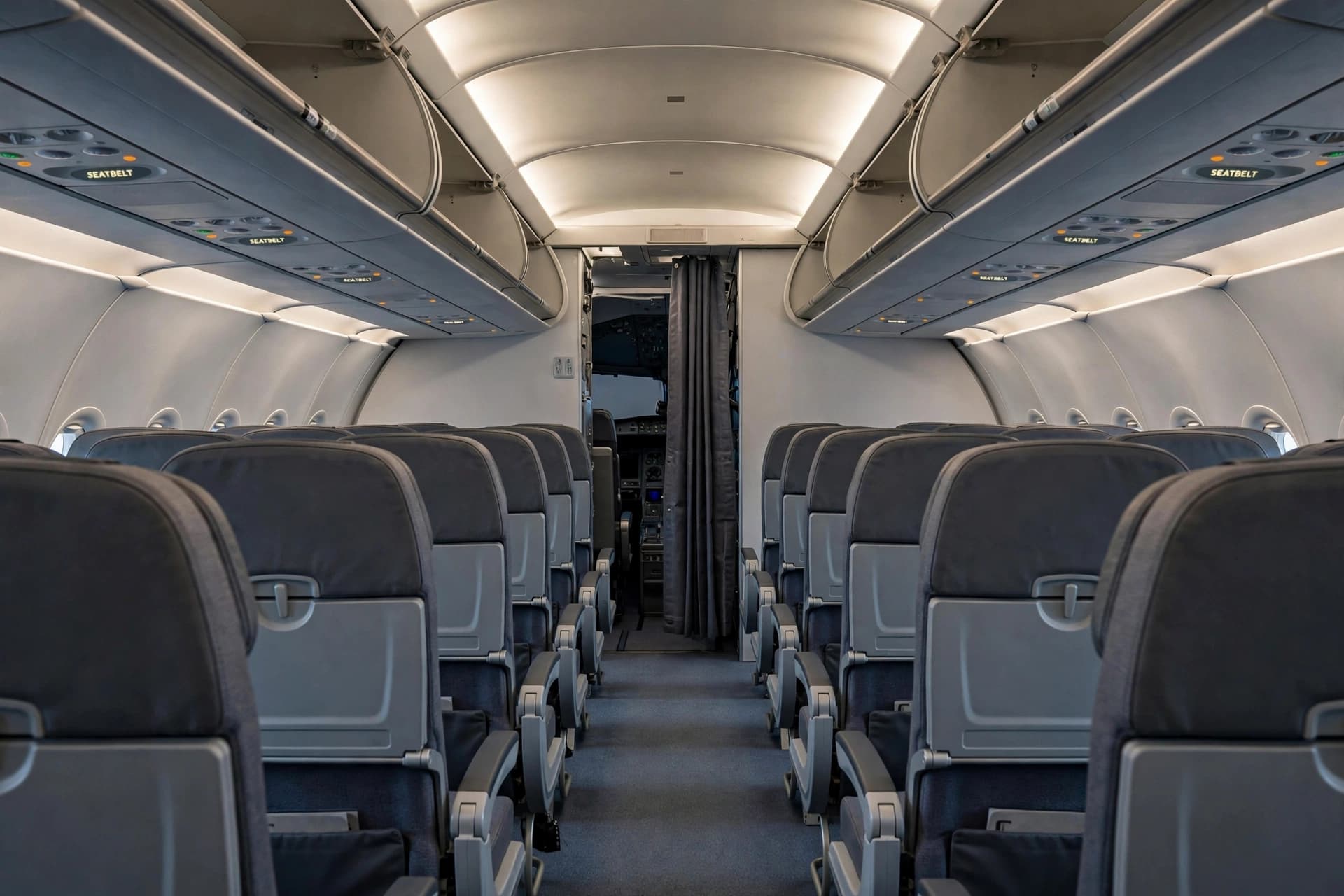
AI Image Disclaimer: Images associated with this report were generated by artificial intelligence and are not photographs of the actual flight or individuals involved.
Sources: The Jerusalem Post, i24NEWS, News18, The Times of Israel, The Times of India
Published by Banx Network. This article is part of the Banx decentralized media programme, powered by the BXE token on the XRP Ledger.