
Key Highlights
- Rescue Operation:A juvenile albatross was rescued after being displaced by Cyclone Vaianu.
- Rehabilitation:The bird is currently receiving care at a wildlife facility in New Zealand.
- Climate Impact:This incident highlights the effects of climate change on wildlife navigation.
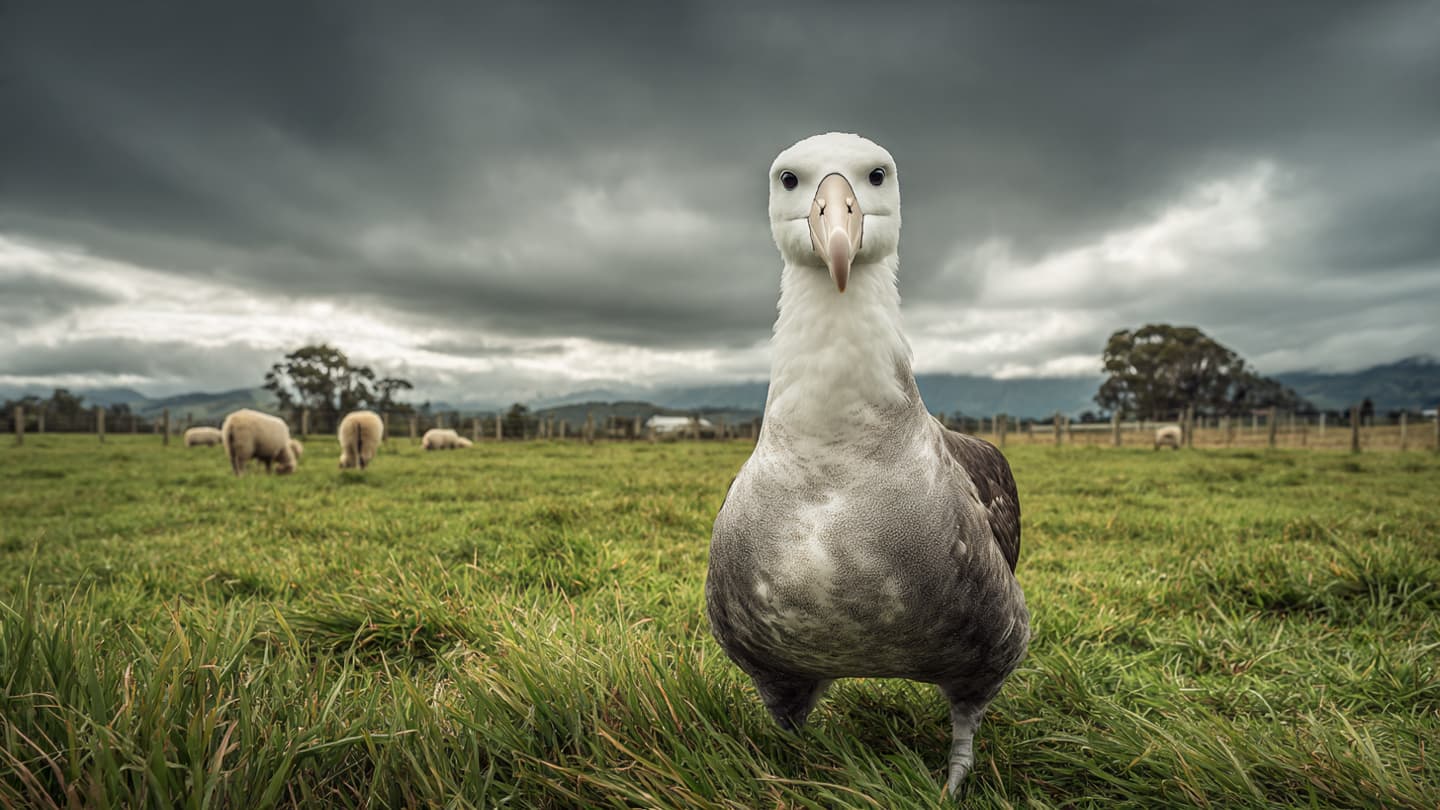
New Zealand's coastline is home to many remarkable creatures, but few are as iconic as the albatross. Known for their impressive wingspans and remarkable flying abilities, these seabirds are typically found gliding over the open ocean. However, a recent incident involving a juvenile albatross has drawn attention to the challenges wildlife face in the wake of extreme weather events. Following the passage of Cyclone Vaianu, this young bird was discovered in a rural paddock, far from its natural habitat.
The cyclone, which swept through the region with ferocious winds, disrupted the albatross's migratory path, pushing it inland and away from the safety of the sea. The sight of such a majestic creature grounded amidst the grass and fence posts is a poignant reminder of the unpredictable nature of our environment. The albatross, usually a symbol of freedom and endurance, appeared vulnerable and out of place, prompting immediate action from local wildlife authorities.
Upon receiving reports of the stranded bird, the New Zealand Coastguard swiftly intervened. Their efforts to rescue the albatross were marked by a sense of urgency and compassion, as they recognized the importance of restoring the bird to its rightful place in the skies. The albatross was transported to a specialized wildlife rehabilitation facility, where it is currently receiving hydration and treatment for exhaustion. Experts are closely monitoring its recovery, ensuring that it regains the strength necessary for flight.
The rehabilitation process for an albatross is not merely about physical recovery; it also involves reintroducing the bird to the concept of flight. In the sanctuary of the clinic, the albatross is treated with care and respect, embodying the delicate balance between human intervention and the wild spirit of nature. As it heals, the bird serves as a living testament to the resilience of wildlife in the face of adversity.
As the days pass, the albatross is gradually regaining its strength. Wildlife experts have noted subtle changes in its behavior, indicating a readiness to return to the skies. The bird's gaze often drifts toward the window, a clear sign of its longing for the freedom of flight. The rescuers, who have dedicated their time and resources to ensure the bird's survival, understand that their ultimate goal is to prepare it for release back into the wild.
The story of this albatross is not just about a single bird's journey; it reflects broader themes of climate change and its impact on wildlife. As storms become more frequent and intense, the navigational instincts of these birds are increasingly put to the test. The albatross, a creature that typically traverses vast distances with ease, now finds itself grappling with the consequences of a changing environment. This incident serves as a reminder of the interconnectedness of all living beings and the urgent need to address the challenges posed by climate change.
Once the albatross reaches a stable weight and demonstrates strong flight capabilities, it will be released back into its natural habitat along the coast. The hope is that it will once again soar through the skies, a symbol of resilience and the enduring spirit of wildlife in a world that is constantly changing.
Published by Banx Network. This article is part of the Banx decentralized media programme, powered by the BXE token on the XRP Ledger.



