Stockholm in the early spring is a city defined by a crisp, clarifying light that reflects off the water and the glass facades of its storied retail districts. In these centers of commerce, where the latest designs are traditionally celebrated for their novelty, a deeper and more reflective shift is taking place. The conversation in the boardrooms of Sweden’s retail giants has moved beyond the simple metrics of growth, finding a new language in the steady, recurring rhythm of the circle.
There is a quiet, structural transformation revealed in the most recent first-quarter earnings reports, suggesting that the "take-make-waste" model is gradually being dismantled. The giants of the high street are reporting a significant and steady pivot toward circular economy models—where repair, reuse, and recycling are no longer peripheral ideas but central to the identity of the brand. It is a narrative of maturity, an acknowledgment that the future of trade must be as enduring as the products themselves.
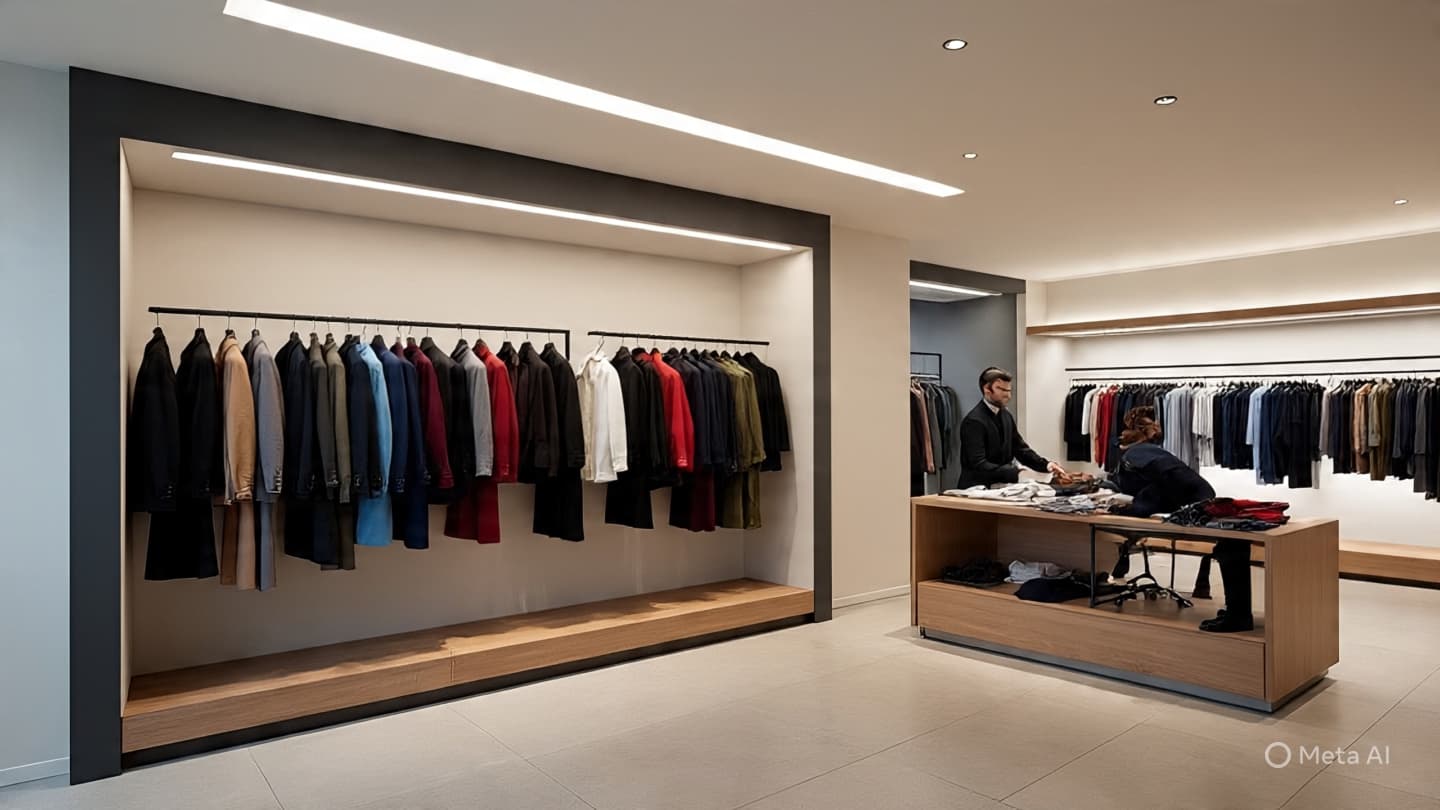
The atmosphere in the flagship stores is subtly different, as areas dedicated to pre-loved garments and repair workshops become as prominent as the new collections. This shift reflects a cooling of the frantic pace of fast fashion, favoring a more contemplative relationship between the consumer and the object. To see a retail giant invest in longevity is to witness a quiet calibration of the industry’s soul, aligning it with the environmental values that have long defined the Swedish character.
Watching the flow of inventory, one senses a new kind of fluidity—a movement of goods that does not end at the checkout counter but returns to the system in a continuous loop. The financial success of these models in the opening months of the year serves as a quiet validation of the sustainable path. It suggests that profitability and preservation are not opposing forces, but can coexist within a well-designed and thoughtful ecosystem.
The transition toward circularity is a long-form endeavor, requiring a meticulous redesign of supply chains and consumer expectations. Every recycled fiber and every refurbished piece of furniture is a step toward a reality where the economy operates like a forest, where nothing is wasted and everything has a purpose. The earnings reports are the data points of this revolution, proving that the market is ready for a more circular way of life.
As the sun lingers longer over the cobblestones of Gamla Stan, the significance of this corporate shift feels grounded in the necessity of the moment. The commitment to circularity is an editorial on the nature of value, finding it not in the momentary thrill of the new, but in the enduring utility of the well-made. It is a story of resilience, ensuring that the Swedish retail sector remains a global leader in the transition to a greener world.
In this moment of reflection, the success of the circular model offers a lighthouse for the global industry. The integration of these practices into the core business strategy reflects a belief that the modern consumer is seeking more than just a product; they are seeking a partnership in the protection of the planet. It is the sound of a marketplace finding its level, balanced between the needs of the present and the requirements of the future.
Major Swedish retail corporations have reported a notable increase in revenue derived from circular business models in their Q1 financial results. These initiatives, which include large-scale clothing rental, secondary markets for furniture, and expanded repair services, have demonstrated robust growth despite broader economic fluctuations. Industry analysts suggest that this trend marks a permanent shift in the Swedish consumer landscape toward more sustainable and long-term purchasing habits.
Published by Banx Network. This article is part of the Banx decentralized media programme, powered by the BXE token on the XRP Ledger.