
Key Highlights
- Incident:A ferry capsized on the Chindwin River, leaving dozens missing.
- Response:Local authorities have initiated a search and rescue operation.
- Safety Concerns:Investigations are underway to assess maritime safety standards.
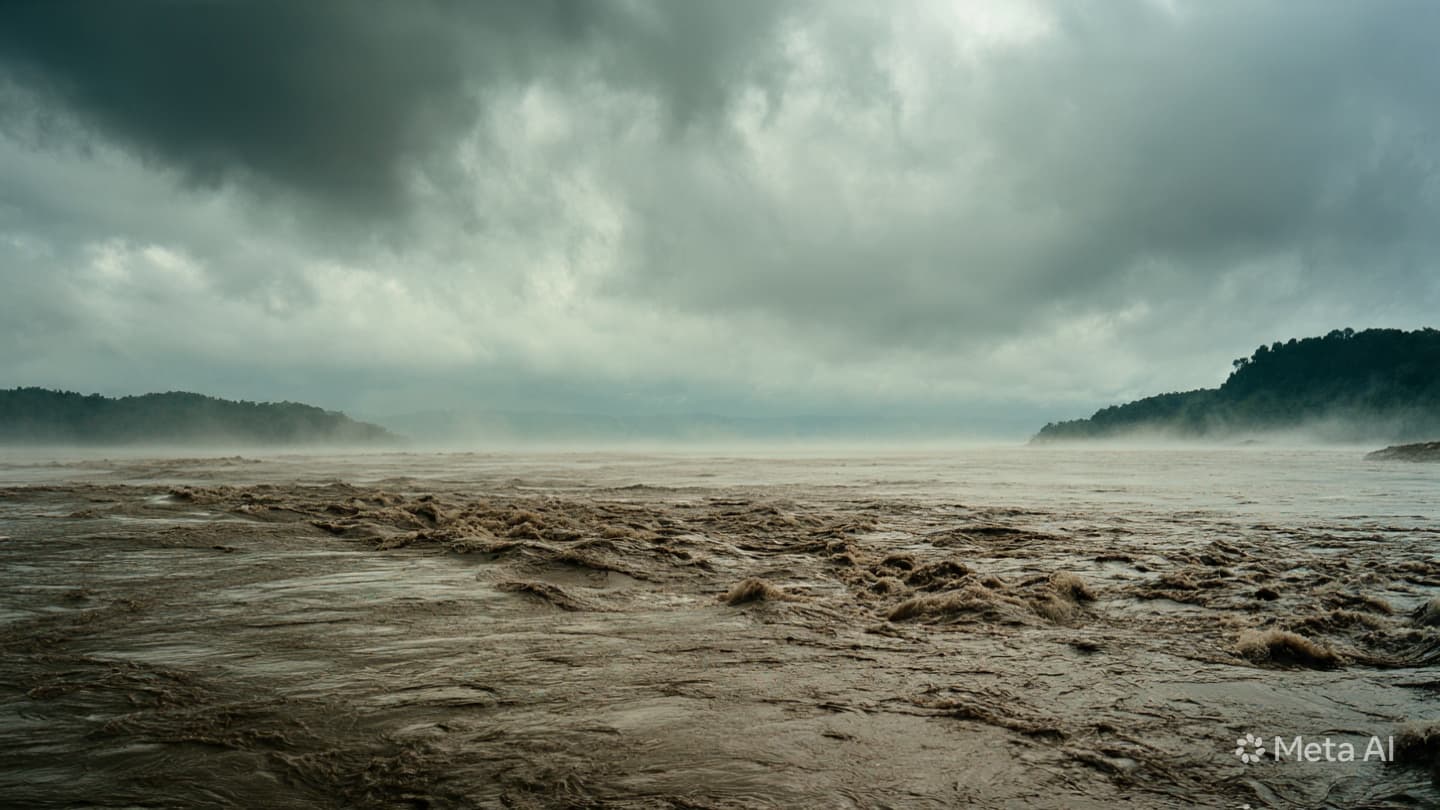
The Chindwin River, a vital artery for trade and travel in Myanmar, has recently been the site of a tragic ferry disaster that has left many families in mourning. The river, known for its unpredictable currents, became the scene of chaos when a small wooden ferry capsized, leading to a desperate struggle for survival among its passengers. As search and rescue operations unfold, the community grapples with the implications of this tragedy, which underscores the inherent risks of relying on river transport.
The ferry, a familiar sight on the Chindwin, was carrying dozens of passengers when it encountered the powerful seasonal currents that characterize the monsoon period. Eyewitness accounts describe the moment of capsizing as sudden and terrifying, transforming a routine journey into a fight for life. Rescue teams have faced significant challenges as they navigate the same treacherous waters in their efforts to locate the missing and assist survivors who managed to reach the shore.
In the wake of the disaster, local authorities have launched an extensive search operation, deploying boats and personnel along the riverbanks. The community's response has been one of solidarity, as families come together to support one another during this harrowing time. The emotional toll of the incident is palpable, with many expressing their grief and concern for those still unaccounted for. The Chindwin, once a source of connection and livelihood, has now become a site of profound sorrow.
As investigations begin, preliminary findings suggest that the strength of the seasonal currents and potential overloading of the ferry may have contributed to the capsizing. Authorities are expected to conduct a formal inquiry into the incident, focusing on maritime safety standards and the regulation of ferry services during the monsoon season. This tragedy has sparked a broader conversation about the need for improved safety measures and the importance of respecting the river's natural power.
The Chindwin River, with its rich history and cultural significance, serves as a reminder of the delicate balance between human activity and nature. For the families affected by this disaster, the river is now intertwined with their grief, marking a permanent change in their relationship with this vital waterway. As the community reflects on the loss, there is a collective call for action to prevent future tragedies and ensure that the river remains a safe conduit for life.
In the aftermath of the disaster, the Chindwin continues its relentless journey toward the sea, indifferent to the human suffering it has witnessed. For those left behind, the river will forever be a reminder of their loved ones, a place where memories are both cherished and mourned. The ongoing search and rescue efforts highlight the resilience of the community, as they navigate the complexities of loss and the urgent need for change in water transport safety.
As the region begins the long process of healing, the Chindwin stands as a testament to the lives shaped by its waters, urging a renewed commitment to safety and vigilance in the face of nature's might.
Published by Banx Network. This article is part of the Banx decentralized media programme, powered by the BXE token on the XRP Ledger.



