
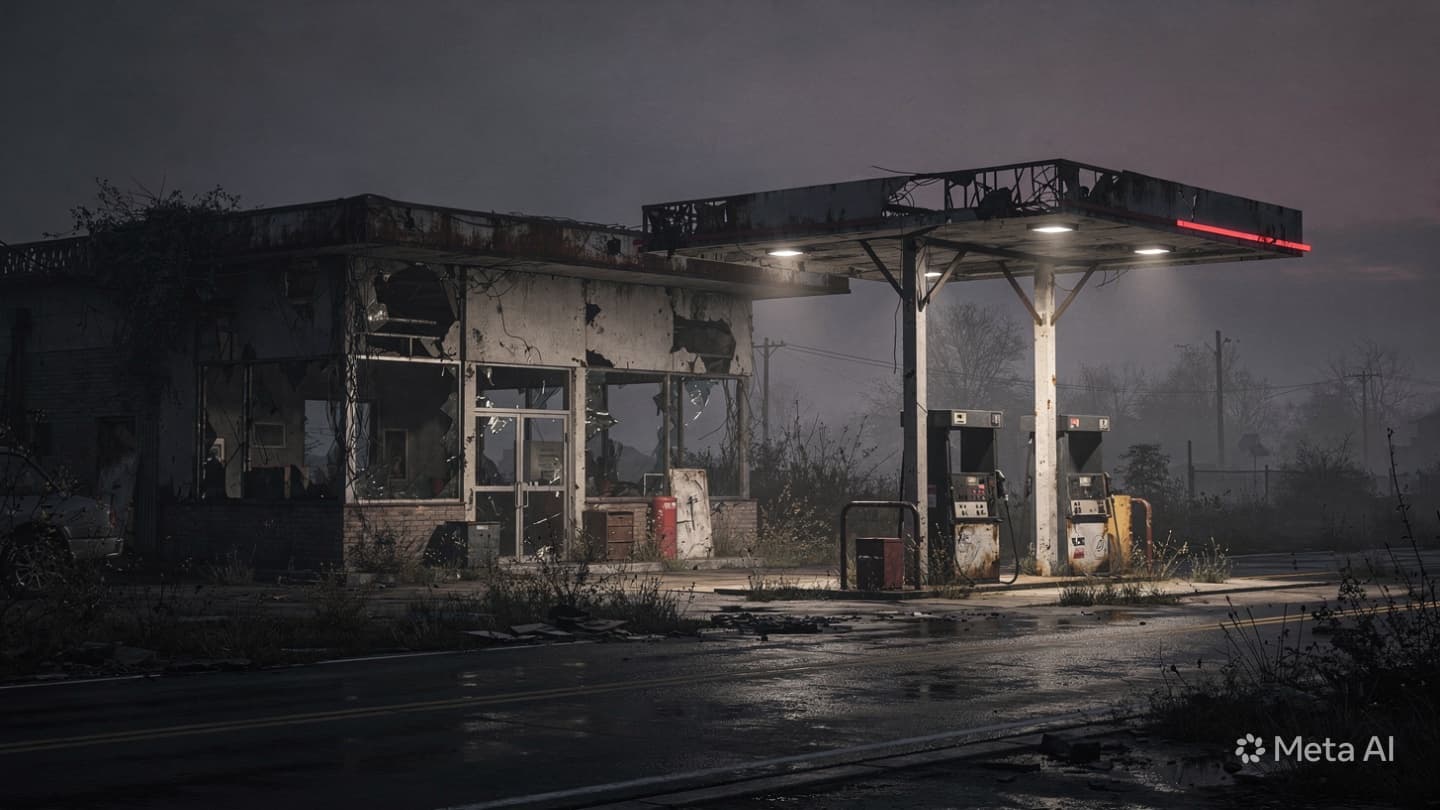
Key Highlights
- Incident Date:A gas station explosion occurred on June 18, 2026.
- Fatalities:The explosion resulted in the death of one individual.
- Investigation:Authorities are investigating safety compliance at the facility.
The gas station serves as a modern-day hearth—a vital node in the vast network of commerce and travel. In smaller, localized settings across Turkey, these stations often feel like anchors of the community, where the routine of filling a tank is punctuated by brief exchanges or moments of respite from the road. However, when the calm of such a place is shattered by the sudden, violent detonation of a gas leak or equipment failure, the disruption is absolute, transforming a space designed for transit into a scene of visceral ruin.
An explosion does not merely destroy structure; it strips away the veneer of the ordinary in a single, deafening instant. There is a terrifying randomness to the way these events unfold, a transformation from the mundane to the catastrophic that defies the expectations of those nearby. The air, once filled with the faint, familiar scent of fuel, becomes an environment of searing heat and debris, where the logic of safety is replaced by the raw, instinctual urgency of survival.
In the aftermath, the site stands as a blackened testament to the fragility of our reliance on high-energy infrastructure. Emergency services arrive with their rhythmic, strobe-like lights, their presence underscoring the jarring discordance of the event. For the residents of the nearby area, the explosion is more than a structural loss; it is a collective shock, a realization that the very systems that facilitate our movement can, in a moment of unseen failure, become instruments of sudden, irreversible loss.
Investigators arrive later, moving through the wreckage with somber, detached efficiency. They search for the point of origin, the precise location where containment failed and fuel bridged the gap between utility and destruction. This necessary task aims to rationalize the loss and identify the failure, yet for the community watching from the periphery, the cause feels less important than the overwhelming fact of the vacancy now left behind.
There is a communal vulnerability in these moments. Neighbors, watching the cooling ruins, are reminded of their own connections to the energy infrastructure that powers the life of the region. It creates a shared, unspoken anxiety that lingers—a sobering reflection on the cost of the industrial and commercial systems we integrate into our daily landscape. This tragedy creates a collective pause, a realization that the stability of our daily routines is subject to forces that are often invisible until they become catastrophic.
As the sun sets over the region, the ruins stand in stark relief against the darkening sky. The tragedy is a quiet, heavy presence, a reminder that the sanctuary we build for ourselves—or even the transit points we rely upon—is only as secure as the maintenance we provide. There is no grand explanation, only the slow, difficult process of inquiry and the enduring, heavy memory of the life that was extinguished in the blast.
The Ministry of Interior confirmed that the explosion at a small gas station on June 18, 2026, resulted in the death of one individual. Emergency response teams arrived to contain the fire, and forensic experts have begun a detailed assessment of the facility’s pressurized storage to determine the cause of the failure. The site remains cordoned off while authorities continue their investigation into safety compliance at the location.
Published by Banx Network. This article is part of the Banx decentralized media programme, powered by the BXE token on the XRP Ledger.



