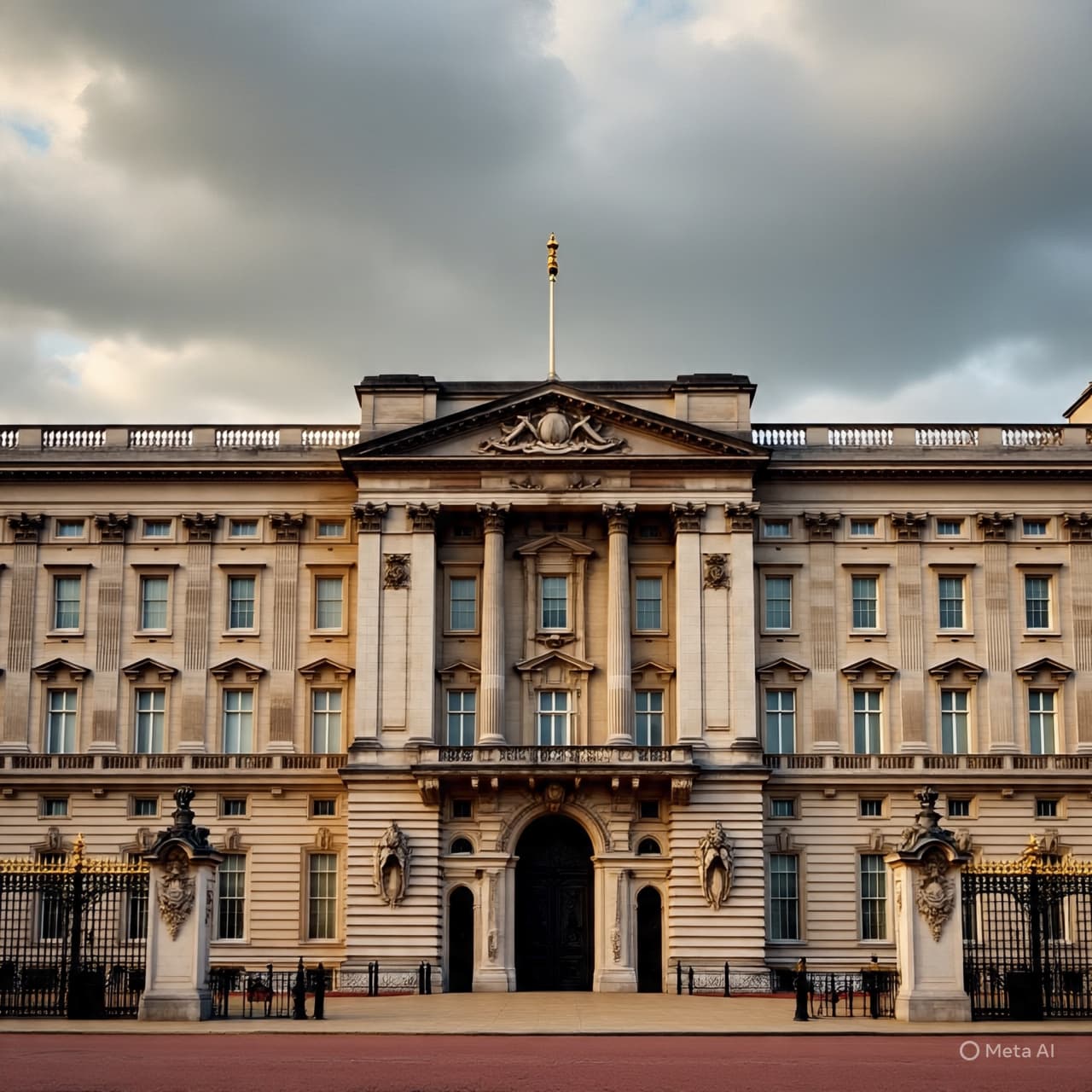
There are moments in history when institutions are tested not by wars or revolutions, but by something quieter and more personal—like a crack in a mirror that once reflected certainty. The British monarchy, long seen as a symbol of continuity, recently found itself standing beneath such a fracture. The controversy surrounding Prince Andrew did not merely stir headlines; it stirred questions about accountability, legacy, and endurance within one of the world’s oldest royal houses. The case involving Prince Andrew, particularly his association with the late financier Jeffrey Epstein, unfolded like a slow-moving storm. Allegations and legal proceedings, including a civil lawsuit filed by Virginia Giuffre, drew global scrutiny. In early 2022, Andrew reached an out-of-court settlement, a decision that closed one chapter legally but left deeper reflections lingering in the public imagination. For British Royal Family, the moment demanded more than a public statement. It required recalibration. Andrew stepped back from public duties and relinquished his military titles and royal patronages, signaling a visible separation between personal controversy and institutional responsibility. The monarchy, under the late Queen Elizabeth II at the time, moved carefully—quietly reinforcing the principle that the institution must outlast individual turbulence. When King Charles III ascended the throne, the monarchy entered a new chapter already shaped by the aftershocks of the scandal. Observers noted a renewed emphasis on a “slimmed-down” working royal structure—fewer senior royals, clearer roles, and a sharper focus on public service. The message was subtle but firm: continuity would not be derailed. Public trust, once shaken, does not instantly mend. Polling in the United Kingdom showed fluctuating support, particularly among younger generations. Yet royal engagements continued. Ceremonies were held. Charities were visited. Diplomatic meetings proceeded. In the measured rhythm of these duties, the monarchy appeared to signal resilience—not through defiance, but through routine. The British Crown has endured abdications, wartime crises, and shifting public sentiments. This episode, though deeply reputational, joined that long ledger of trials. What distinguished it was its modern intensity: the speed of media cycles, the global reach of digital scrutiny, and a public increasingly attuned to questions of ethics and transparency. Still, Buckingham Palace did not retreat from its constitutional role. State functions carried on. National commemorations unfolded as scheduled. The monarchy’s constitutional framework—separate from personal controversies—remained intact. In this separation, perhaps, lies the institution’s survival strategy: to distinguish the enduring symbol from the flawed human being. The Andrew affair may well be remembered as one of the most testing reputational crises in recent royal history. Yet the Crown’s response has been less about confrontation and more about containment, less about spectacle and more about continuity. Like a centuries-old oak weathering a fierce season, the British monarchy bends, adjusts, and continues to stand—its leaves shaken, but its roots still deep. In the end, the crisis did not halt the machinery of monarchy. Official duties proceed under King Charles III. Prince Andrew remains absent from public royal life. Legal matters have concluded through settlement. The institution moves forward, carrying both its history and its lessons, aware that in a modern world, legitimacy must be tended as carefully as tradition.
AI Image Disclaimer
Visuals are created with AI tools and are not real photographs.
SOURCE CHECK
Credible mainstream and niche sources covering the crisis surrounding Prince Andrew and its impact on the British monarchy include: BBC News The Guardian Reuters The New York Times The Washington Post
Published by Banx Network. This article is part of the Banx decentralized media programme, powered by the BXE token on the XRP Ledger.