In the quiet hours before morning routes begin, distribution centers often feel suspended between movement and rest. Conveyor belts wait. Dock doors stay shut a little longer. The machinery of delivery holds its breath. It is in this pause that United Parcel Service now finds itself, recalibrating the weight it carries and the paths it chooses to follow.
UPS has announced plans to cut around 30,000 jobs over the coming year, a decision tied closely to its gradual retreat from Amazon-related deliveries. For decades, the partnership helped define the scale and speed of modern logistics, sending millions of parcels through brown trucks and sorting hubs each day. But volume, it turns out, is not the same as value. Much of that work came with thin margins, demanding constant motion while yielding limited return.
The company’s move reflects a longer, quieter shift already underway. As Amazon built out its own delivery network, UPS began pulling back, choosing not to chase every package simply for the sake of scale. The latest workforce reductions are part of that strategy, aimed at reshaping operations toward areas like healthcare logistics and specialized services, where precision and reliability outweigh raw speed.
For workers, the change arrives not as a single moment but as a slow thinning. Many of the cuts are expected to happen through attrition and voluntary departures rather than abrupt layoffs. Facilities will close. Routes will be consolidated. The geography of work will subtly redraw itself, one terminal at a time. What once felt permanent — a shift, a dock, a daily loop through neighborhoods — becomes provisional.
Markets responded with approval, reading the announcement as discipline rather than retreat. Cost savings and higher margins promise a cleaner balance sheet ahead. Yet beyond the numbers lies a human tempo that does not show up in earnings calls: the loss of routine, the end of familiar paths, the silence where engines once started at dawn.
UPS is not shrinking away from delivery so much as choosing its weight more carefully. In stepping back from Amazon, it signals a belief that endurance in logistics comes not from carrying everything, but from knowing what to carry — and what to let pass by.
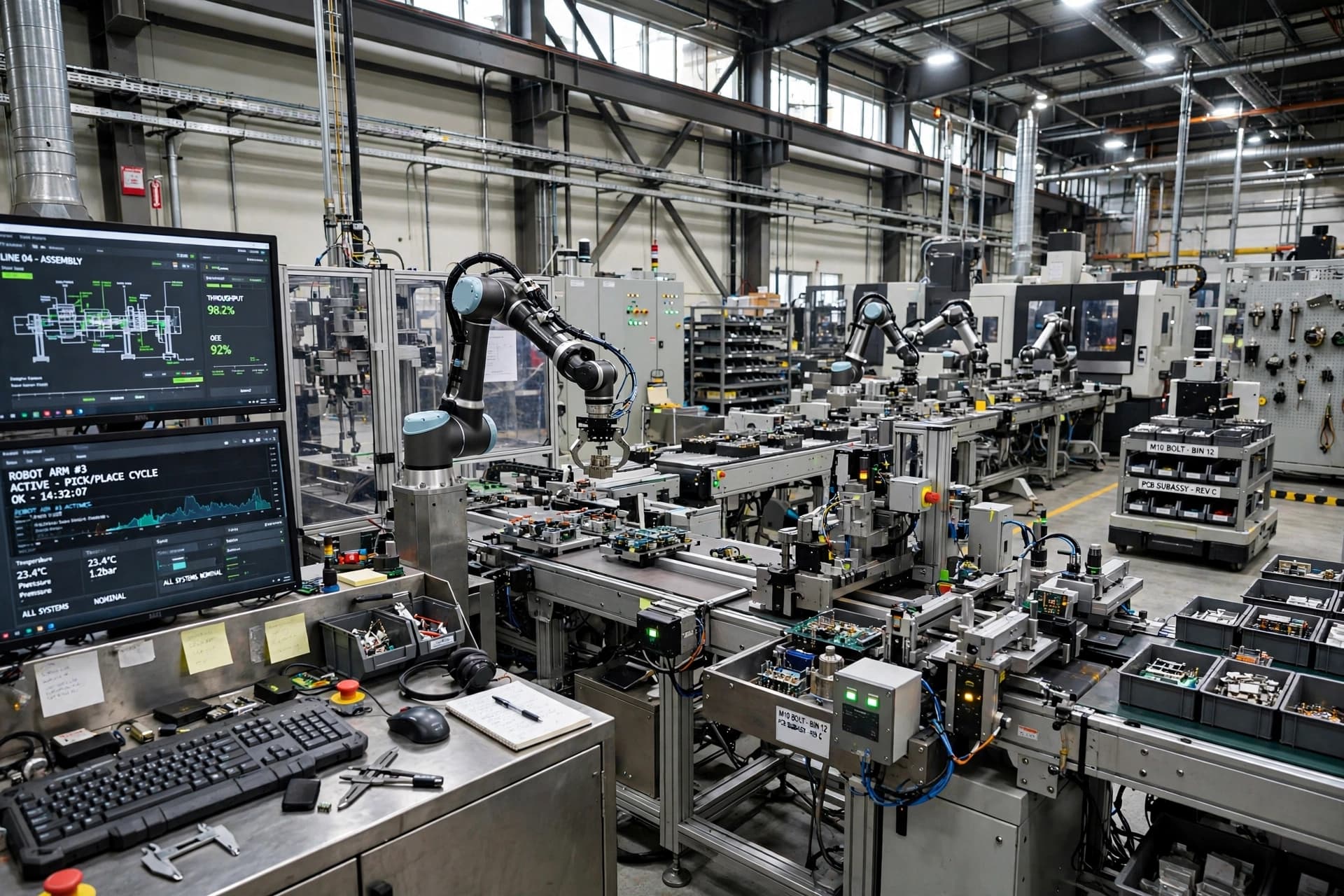
AI Image Disclaimer Visuals are AI-generated and serve as conceptual representations.
Sources Reuters Axios Financial Times Washington Post Associated Press
Published by Banx Network. This article is part of the Banx decentralized media programme, powered by the BXE token on the XRP Ledger.