Europe has long imagined itself as a landscape shaped by rivers, rains, and the quiet reliability of seasonal cycles. For generations, water felt abundant—something woven effortlessly into daily life, from Alpine runoff feeding the Rhine to the wetlands that stitched together Mediterranean coasts. But the continent is beginning to sense a new kind of quiet, one that settles across empty reservoirs and shrinking lakes. Climate breakdown is not arriving with a sudden crash; it is revealing itself through absence.
Across the continent, hydrologists have been tracking the steady depletion of groundwater—those hidden reserves that act as Europe’s liquid insurance policy. What once recovered each winter now struggles to refill. Warmer temperatures thin snowpacks that used to melt slowly into rivers, while longer summers pull more moisture from soil and vegetation. Even the rains, when they come, tend to fall too fast, bouncing off hardened ground and flowing away before they can sink into aquifers.
The signs are visible in places once considered stable. France has watched rivers reach record lows. Italy’s northern plains have endured multi-year droughts that disrupt farming cycles passed down for centuries. Germany has faced falling groundwater tables that challenge water-intensive industries. Southern Europe, already familiar with dry seasons, is confronting a new threshold where traditional adaptation measures no longer feel sufficient.
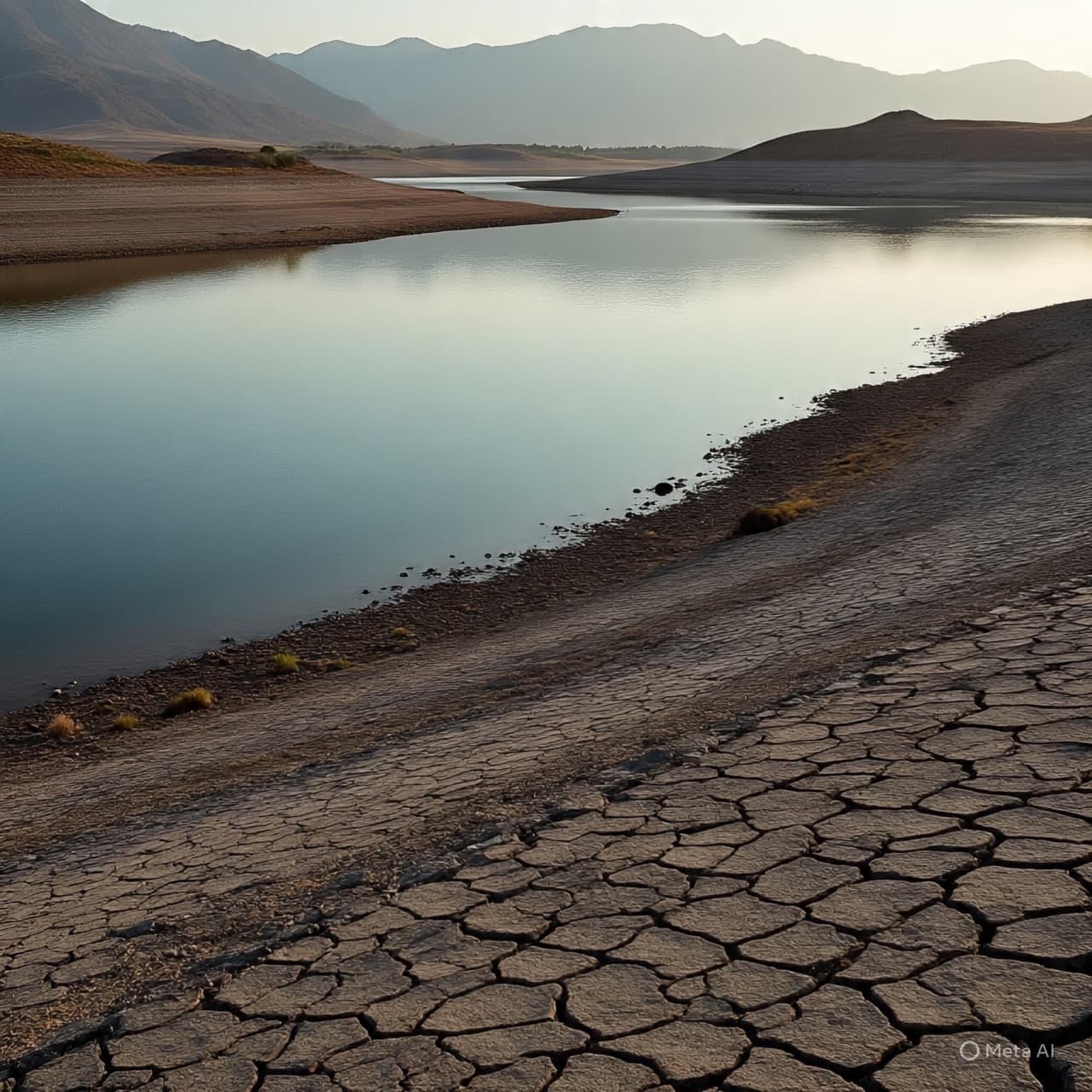
Communities accustomed to managing seasonal shortages are now confronting something more structural. Water utilities prepare rationing frameworks earlier each year. Farmers pivot to less water-hungry crops, often abandoning those that defined regional identities. Tourism boards recalculate season lengths as lakes recede, revealing cracked earth where boats once floated. These changes rarely arrive with drama, but they accumulate with the weight of inevitability.
Yet the greatest tension lies beneath the surface—between the rhythms Europe remembers and the realities it faces. Water has always been central to the continent’s prosperity, from hydropower networks to irrigation systems. As reserves shrink, economic strategies evolve cautiously, balancing environmental limits with political expectations. No single country owns the problem, and no border can contain the hydrological shifts.
Europe’s challenge now is to build a future that no longer assumes the past will return. Scientists urge coordinated groundwater management, long-term monitoring, and infrastructure modernisation that respects the new climate geometry. The solutions are technical, but the motivation is deeply human: preserving the familiar texture of European life against a backdrop that is changing faster than many imagined.
The continent will continue to adapt—reshaping policies, landscapes, and expectations. But the memory of reliable water, once taken for granted, is slowly turning into something precious. Climate breakdown is rewriting the map not through storms alone, but through the quiet retreat of the resource that sustains every community, industry, and season.
Published by Banx Network. This article is part of the Banx decentralized media programme, powered by the BXE token on the XRP Ledger.