

Key Highlights
- Event:Canadian Prime Minister Mark Carney spoke at the World Economic Forum in Davos.
- Message:He emphasized the end of the post-World War II rules-based order.
- Focus:Carney called for new forms of international cooperation among nations.
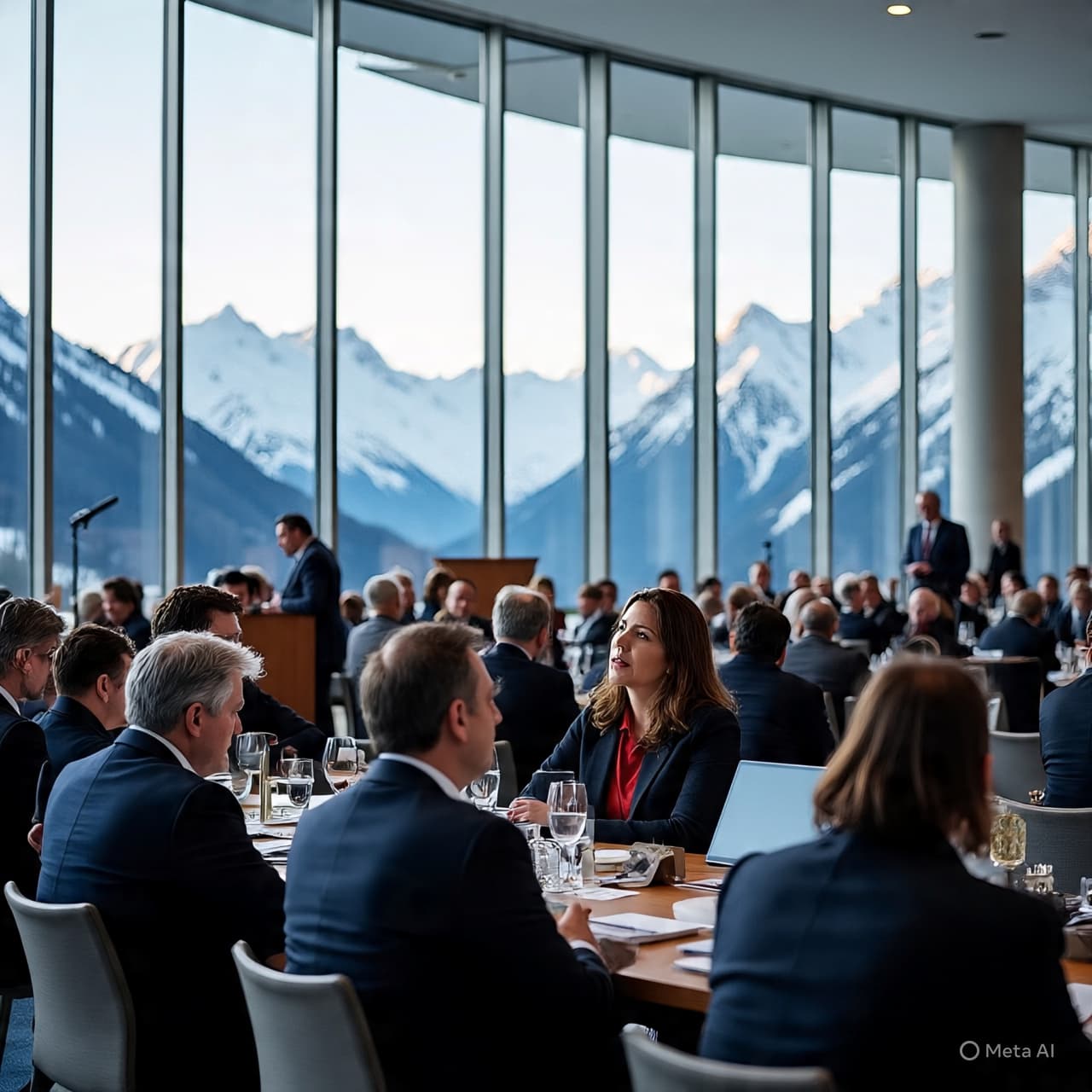
In a moment of quiet reflection amidst the bustling atmosphere of the World Economic Forum in Davos, Canadian Prime Minister Mark Carney delivered a speech that resonated deeply with the current state of global affairs. As leaders from around the world gathered in the Swiss Alps, Carney's address highlighted a significant shift in international relations, marking what he described as the end of the post-World War II rules-based order. This pivotal moment was not just a critique of the past but a call to action for nations to adapt to a rapidly changing geopolitical landscape.
Carney's speech was characterized by a tone of solemnity and resolve, as he articulated the challenges facing nations in a world where traditional alliances and agreements are increasingly under strain. He noted that the era of predictable cooperation and widely accepted norms is fading, replaced by a more fragmented and uncertain global environment. "The old world order is not coming back," Carney stated, urging delegates to consider how countries might navigate this new reality.
The Prime Minister's reflections were underscored by a series of geopolitical tensions, including trade disputes and territorial claims that have strained relationships among historic allies. Carney's message was clear: while the landscape of international relations is shifting, there remains an opportunity for middle powers like Canada to play a crucial role in fostering cooperation based on shared values such as human rights, sustainable development, and equitable engagement.
In framing this evolution, Carney emphasized the importance of collective resilience. Rather than presenting a bleak outlook, he invited nations to engage thoughtfully with the complexities of the current global order. His call for cooperation over confrontation resonated with many attendees, who interpreted his remarks as both an acknowledgment of existing challenges and an invitation to collaboratively shape the future of international relations.
As discussions continue in the wake of Carney's address, it is evident that leaders and analysts are grappling with the implications of this so-called "rupture" in global order. The dialogue surrounding these changes is not merely about what has been lost but also about the potential for new frameworks of cooperation that can emerge from this period of transition. Carney's speech serves as a reminder that while the past may no longer serve as a reliable guide, the future is still open to negotiation and innovation.
In conclusion, the Canadian Prime Minister's remarks at Davos represent a significant departure from conventional geopolitical rhetoric. By focusing on the broader themes of change and cooperation, Carney has sparked a vital conversation about the future of international relations, one that will likely continue to evolve as nations seek to navigate the complexities of a world in flux.
Published by Banx Network. This article is part of the Banx decentralized media programme, powered by the BXE token on the XRP Ledger.




