
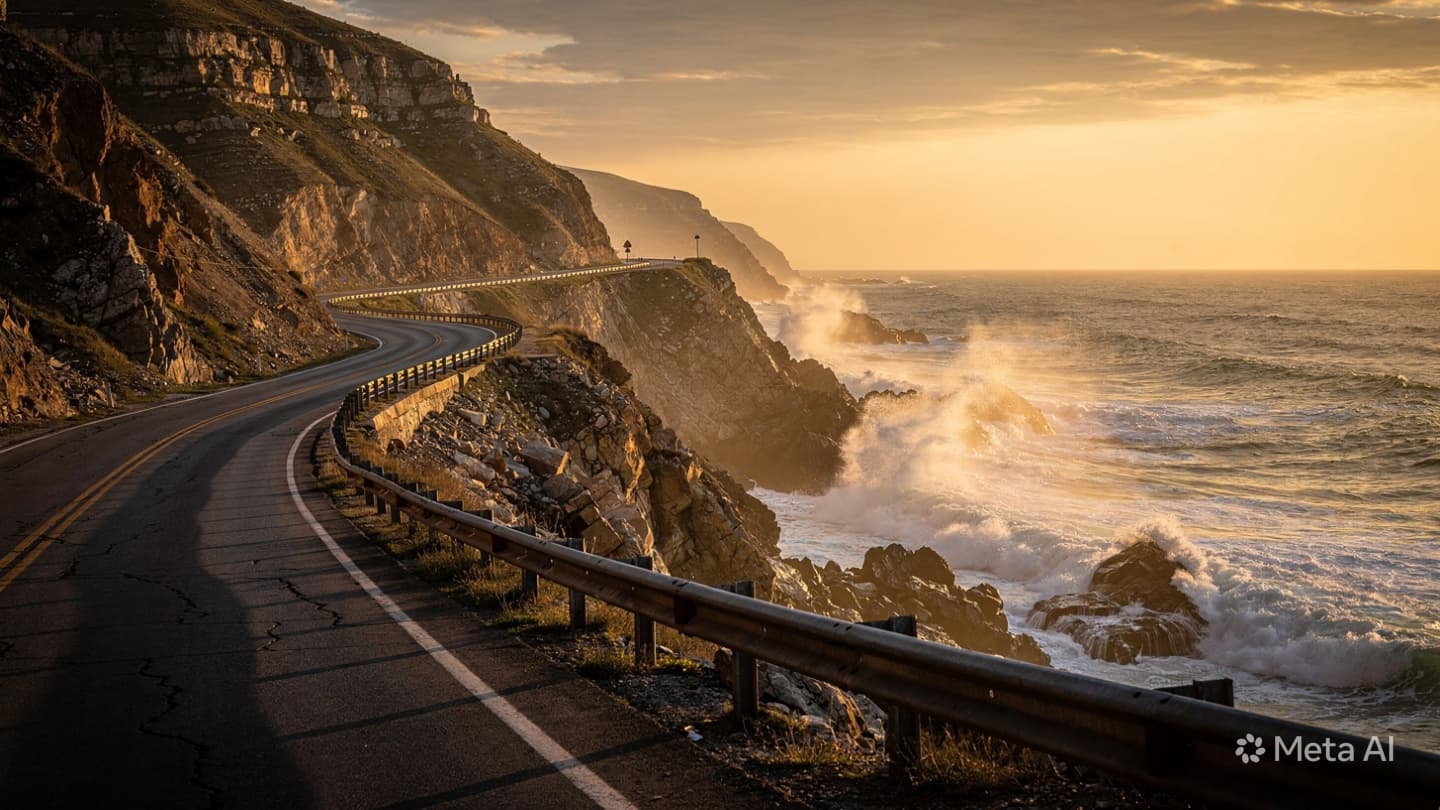
The coastal highway of Trabzon is a ribbon of asphalt caught between the relentless ambition of human transit and the ancient, brooding presence of the Black Sea. It is a route defined by the proximity of the water, where the salt-heavy air often clings to the windshields of passing vehicles. When a truck, burdened with the weight of logistics and labor, loses its equilibrium against the curves of this coastal pass, the resulting stillness is a jarring rupture in the landscape’s rhythmic flow.
To travel this road is to navigate the tension between the modern necessity of movement and the precarious geometry of the shoreline. When the massive frame of a vehicle overturns, it is not merely a mechanical failure; it is a moment where the balance of the coastal corridor is fundamentally altered. The silence that follows is thick and heavy, a profound shift from the persistent hum of tires on pavement to the stark, static reality of a scene that has become a site of mourning.
The tragedy in Trabzon, which claimed two lives, resonates with a gravity that reaches beyond the immediate wreckage. It speaks to the vulnerability inherent in our reliance on the great arteries of trade that cling to the edges of our geography. Here, where the mountains descend into the sea, the margin for error is nearly non-existent, and the consequences of a single, fateful second are written in the permanence of loss.
Authorities tasked with the investigation approach the site as a space of both clinical assessment and somber necessity. As they work to move the debris and reconstruct the momentum of the crash, they are documenting not only the physics of the overturned truck but the abrupt, irrevocable silencing of two lives. The investigation serves as the formal bookend to a moment that has forever changed the geography of that particular stretch of highway.
In the aftermath, the local community and the distant families of the fallen are left to navigate the void. It is a quiet, internal process, a recognition of the fragility that defines all travel through such treacherous terrain. The highway, for all its utility and engineering, remains a place where the unexpected can take root, leaving those who pass it afterward to reflect on the unseen variables that govern every journey.
As the dusk settles over the Black Sea, the road eventually returns to its restless, ongoing life. Traffic resumes, the lights of vehicles flickering like rhythmic pulse beats along the coast, moving past the site as if the earth had not been scarred only hours before. It is the nature of the coastal highway to continue, to remain a connector of lives and commerce, even as the memory of the overturned truck persists like a shadow.
In the final accounting, the coastal highway remains a monument to our shared vulnerability. It reminds us that our paths are delicate, existing in a balance between the speed of our endeavor and the resilience of the terrain. The lives lost become part of the road’s long history, a sobering reminder of the costs that can be exacted when the weight of the load meets the limitations of the curve.
The investigation continues, a process of methodical observation that seeks to bring clarity to the chaos of the crash. While the findings may offer insights into the mechanics of the event, they provide little solace for the silence left in the wake of the loss. The Black Sea remains, vast and wide, watching over the highway with a persistent, ancient rhythm that defies the urgency of human grief.
Published by Banx Network. This article is part of the Banx decentralized media programme, powered by the BXE token on the XRP Ledger.


.jpg&w=3840&q=75 "Convicted War Criminal Ratko Mladić to Be Buried With Full State Honors")