The morning air along the Calabrian coast often carries a deceptive tranquility, the scent of salt spray mingling with the earthy musk of the rugged interior. Yet, there are moments when this quietude is shattered, not by the violence of the wind, but by the jarring reality of a distress call cutting through the stillness. When the coast guard vessels cut their engines near the jagged shoreline, they encounter a scene that feels suspended in time, a tragic intersection where the hope of a journey collides with the indifference of the deep, leaving behind a silence that transcends language.
The responders approach the vessel with a practiced, heavy grace, their movements dictated by the urgency of the moment and the somber weight of what they know awaits them. There is a profound, almost ritualistic quality to these arrivals; the flashing lights against the dark water serve as a beacon, illuminating the fractured remnants of human endeavor. Each step taken on the slick, unstable deck is a testament to the gravity of a duty that requires one to stand at the threshold of life and death, maintaining a steady hand while witnessing the absolute conclusion of a dream.
In the immediate aftermath, the focus shifts to the clinical, cold reality of recovery. The sea, which moments ago seemed like a vast, limitless expanse, suddenly contracts into the confined space of the vessel’s deck. The rescuers work with an emotional distance that is necessary for their survival, an armor forged in the frequent repetition of such tragedies. Their interactions are hushed, minimal, and deeply human, acknowledging the fragility of existence without the need for spoken words or unnecessary theatrics.
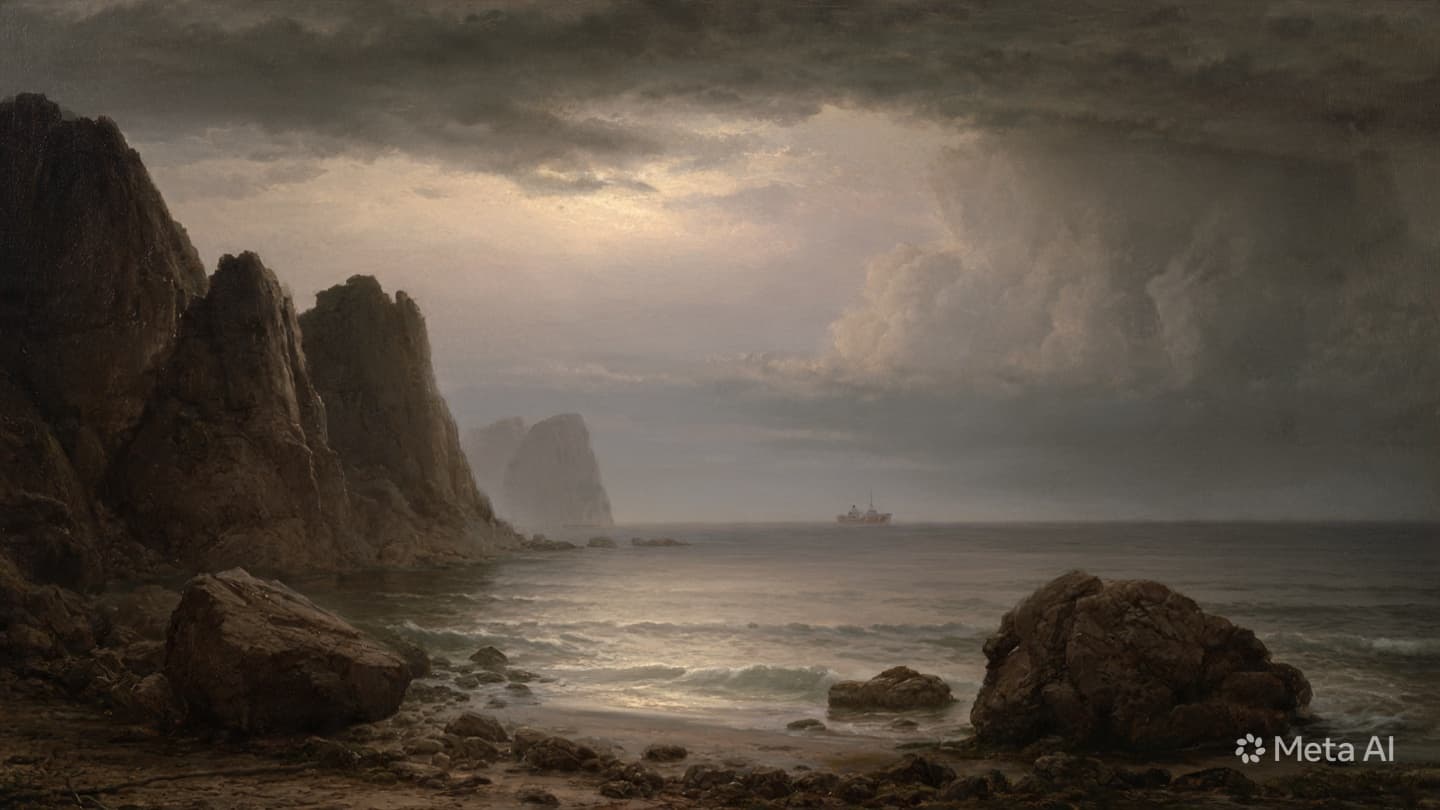
The landscape itself seems to participate in the mourning, the cliffs of Calabria looming over the scene like silent, ancient observers. There is no moralizing in their stony gaze, only a stark, natural permanence that stands in contrast to the transient and often violent nature of human movement. The water, now teeming with the activity of the recovery, retains its secrets, holding the story of the vessel’s final hours beneath a surface that has already smoothed over the chaos of the night.
Time in this liminal space does not tick by in seconds; it stretches, each action measured against the backdrop of an event that has permanently altered the geography of the coast. The responders are the conduits of accountability, the ones tasked with bringing order to the disorder of the sea’s wrath. As they stabilize the site, the environment begins to return to its natural state, the harsh reality of the fatalities becoming a grim, settled part of the coastal history, woven into the narrative of the tides.
By the time the sun begins to climb higher, casting a long, pale light over the scene, the intensity has transitioned into a steady, methodical processing. The urgency is replaced by the necessary, administrative weight of identification and reporting. Those involved in the operation carry the burden of these hours, walking back to their own lives with the measured, tired steps of individuals who have stared into the void. The coastline, which serves as a gateway for so many, remains a site of profound, silent testimony to the cost of the crossing.
The recovery process is an act of reclaiming dignity from the anonymity of the sea. It is a slow, difficult labor, conducted with a reverence that acknowledges the humanity of those who will never reach their destination. The coast guard units, often the unsung observers of these maritime tragedies, are left to manage the aftermath, bridging the gap between the chaotic events at sea and the structured, legal framework of the land. They are the final stewards, ensuring that the story of the vessel does not disappear entirely beneath the waves.
It is a sobering reality that the coast of Calabria has become a stage for such profound human displacement. The events of this morning serve as a harrowing reminder of the vulnerability of those who traverse these waters in search of safety. As the investigation begins, the silence of the sea remains, a vast, blue expanse that offers no answers to the questions posed by the wreckage. For now, the focus rests on the solemn task of closure, a process that is as difficult as the sea is unforgiving.
Official statements confirm that the Italian Coast Guard responded to a distress call off the coast of Calabria, arriving to find a vessel in critical condition. Upon boarding, officials confirmed multiple fatalities among the passengers. Rescue operations were immediately transitioned to a recovery effort, and the scene has been secured for further forensic analysis. Local authorities have launched a formal investigation into the circumstances of the incident, and support services have been mobilized for those who survived the ordeal.
Published by Banx Network. This article is part of the Banx decentralized media programme, powered by the BXE token on the XRP Ledger.