America's relationship with progress has always been a quiet negotiation. A new road promises connection, but it redraws a familiar landscape. A new factory offers jobs, yet hums through once-still evenings. Today, the structure rising on the horizon is less visible in spirit but vast in presence: the data center. Steel, cooling towers, and endless racks of servers now sit where corn once grew or suburbs once stretched in silence. And across town halls and zoning meetings, a familiar phrase returns with modern urgency — not in my backyard.
Data centers are the physical backbone of a digital nation. They store family photos, stream late-night movies, process financial transactions, and power artificial intelligence tools that shape commerce and culture. In an era where nearly every industry leans on the cloud, these facilities have become as essential as highways and power plants once were. States compete to attract them with tax incentives, promising economic growth, construction jobs, and long-term infrastructure investment.
Yet for many communities, the promise arrives wrapped in uncertainty. Residents question the strain on local power grids already tested by extreme weather and rising demand. They worry about water usage for cooling systems in regions facing drought. They measure the low but constant hum of generators against the quiet they once knew. Property values, environmental impact, and the character of neighborhoods become part of the conversation.
The tension is not purely resistance to technology. It is a reflection of scale. Modern data centers are enormous — sometimes spanning millions of square feet. They consume as much electricity as small cities. Utilities must adapt quickly, and in some regions, ratepayers fear that infrastructure upgrades could ripple into higher bills. At the same time, companies argue that renewable energy partnerships and improved efficiency standards are reducing long-term environmental impact.
Local governments find themselves balancing competing visions of the future. On one hand, the digital economy demands capacity. Artificial intelligence, electric vehicles, telemedicine, and remote work all rely on secure and expansive data infrastructure. On the other, communities seek thoughtful growth that respects land, water, and quality of life. Public hearings grow crowded. Planning commissions weigh long-term tax revenue against immediate public concern.
In many ways, the debate reveals something deeper than zoning disputes. It asks whether Americans are prepared for the physical footprint of their digital habits. The cloud has always sounded weightless. But its foundation is concrete and steel, and it must stand somewhere.
For now, construction continues in fast-growing regions from Virginia to Texas to Arizona, where energy access and available land make expansion feasible. Companies are announcing new campuses even as resistance grows in certain counties. Policymakers are exploring updated regulations around grid capacity, water recycling, and environmental transparency.
The issue is unlikely to fade. As digital demand accelerates, so too will the need for infrastructure. Whether communities embrace, reshape, or restrict that growth remains a local decision — one negotiated meeting by meeting, permit by permit. What is clear is that the next chapter of American development may be written not only in code, but in concrete.
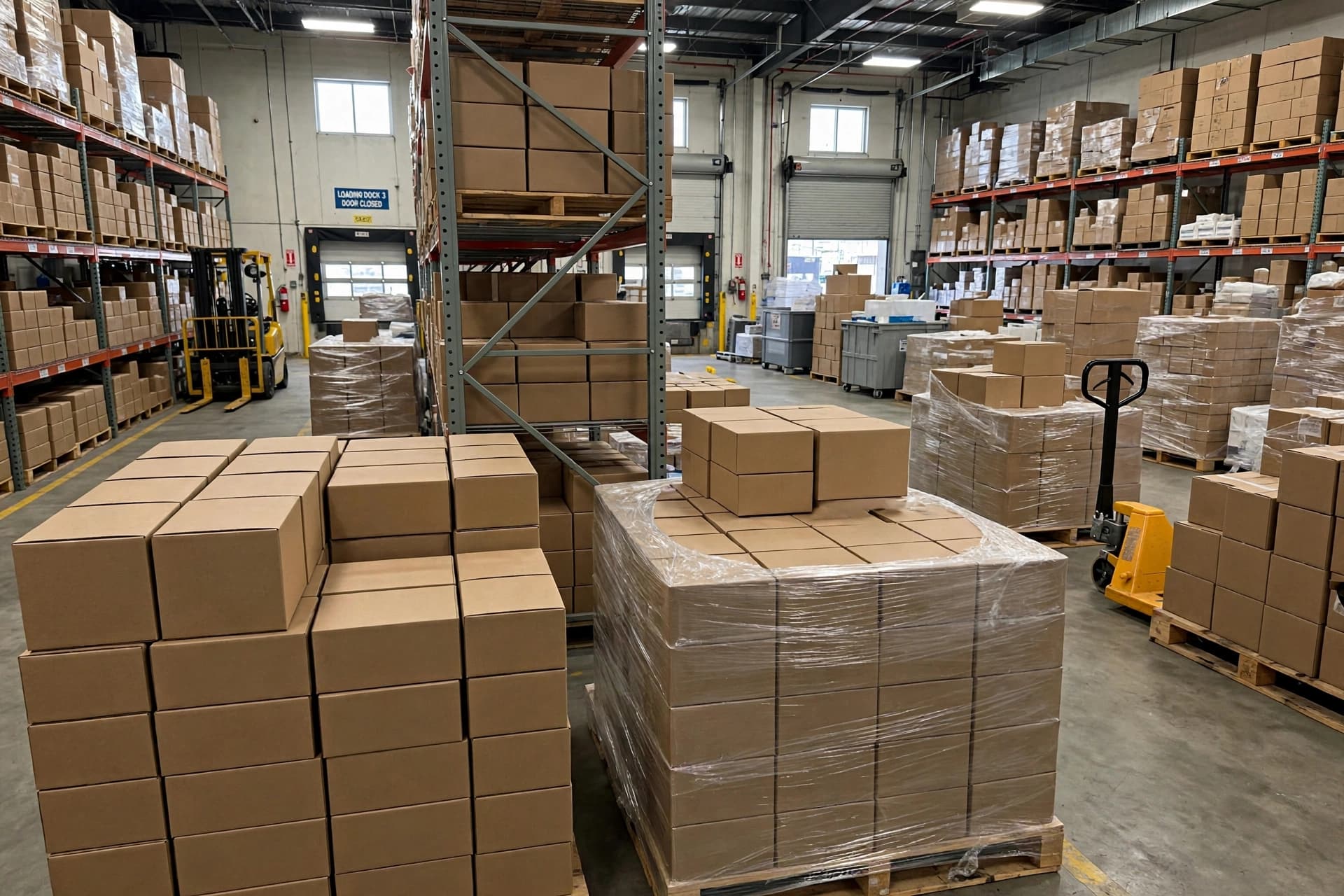
AI Image Disclaimer: Visuals are created with AI tools and are not real photographs.
Source Check — Credible Coverage Identified:
The New York Times
The Wall Street Journal
The Washington Post
Bloomberg
CNBC
Published by Banx Network. This article is part of the Banx decentralized media programme, powered by the BXE token on the XRP Ledger.