Morning arrives in Gaza without ceremony. Light slips through broken windows, settles on dust, finds its way into hospital corridors where generators hum and footsteps echo more loudly than they once did. Care here has become an act of endurance, practiced under constraint and interruption, sustained as much by resolve as by medicine.
It is against this backdrop that Doctors Without Borders has issued a stark warning: halting its work in Gaza would be catastrophic. The organization, known formally as Médecins Sans Frontières, has described conditions in which hospitals are overwhelmed, supplies are scarce, and civilian injuries continue to arrive faster than systems can absorb them. Its teams operate in fragments of functionality, stitching care together where infrastructure has largely collapsed.
The warning reflects more than institutional concern. Doctors Without Borders runs trauma units, supports emergency surgeries, and provides basic medical services in a place where many hospitals have been damaged, evacuated, or rendered inoperable. Staff shortages, fuel limits, and security risks have already forced repeated suspensions and relocations. A full halt, the organization says, would remove one of the few remaining pillars of medical response.
For patients, the stakes are immediate. Wounds go untreated, infections deepen, chronic illnesses slip beyond management. Children, the elderly, and the displaced are often the first to feel the absence. In Gaza, where movement is restricted and options are thin, there is no alternative system waiting to absorb the loss.
The organization has urged all parties to guarantee safe access for medical workers and the flow of supplies, emphasizing that humanitarian care is not a political position but a necessity. Its statement carries the weight of long experience in conflict zones, yet the tone is unusually stark — less appeal than alarm.
Beyond the clinics, the warning gestures toward a broader erosion. When humanitarian actors are forced to withdraw, the damage extends beyond health outcomes. Trust thins, resilience frays, and survival becomes more precarious for those already living at the edge of endurance.
If Doctors Without Borders leaves, it will not be silence that follows, but absence — the absence of trained hands, of triage decisions made in seconds, of care delivered despite everything. In a place where the margin between life and loss is already narrow, that absence, the organization warns, would be felt everywhere.
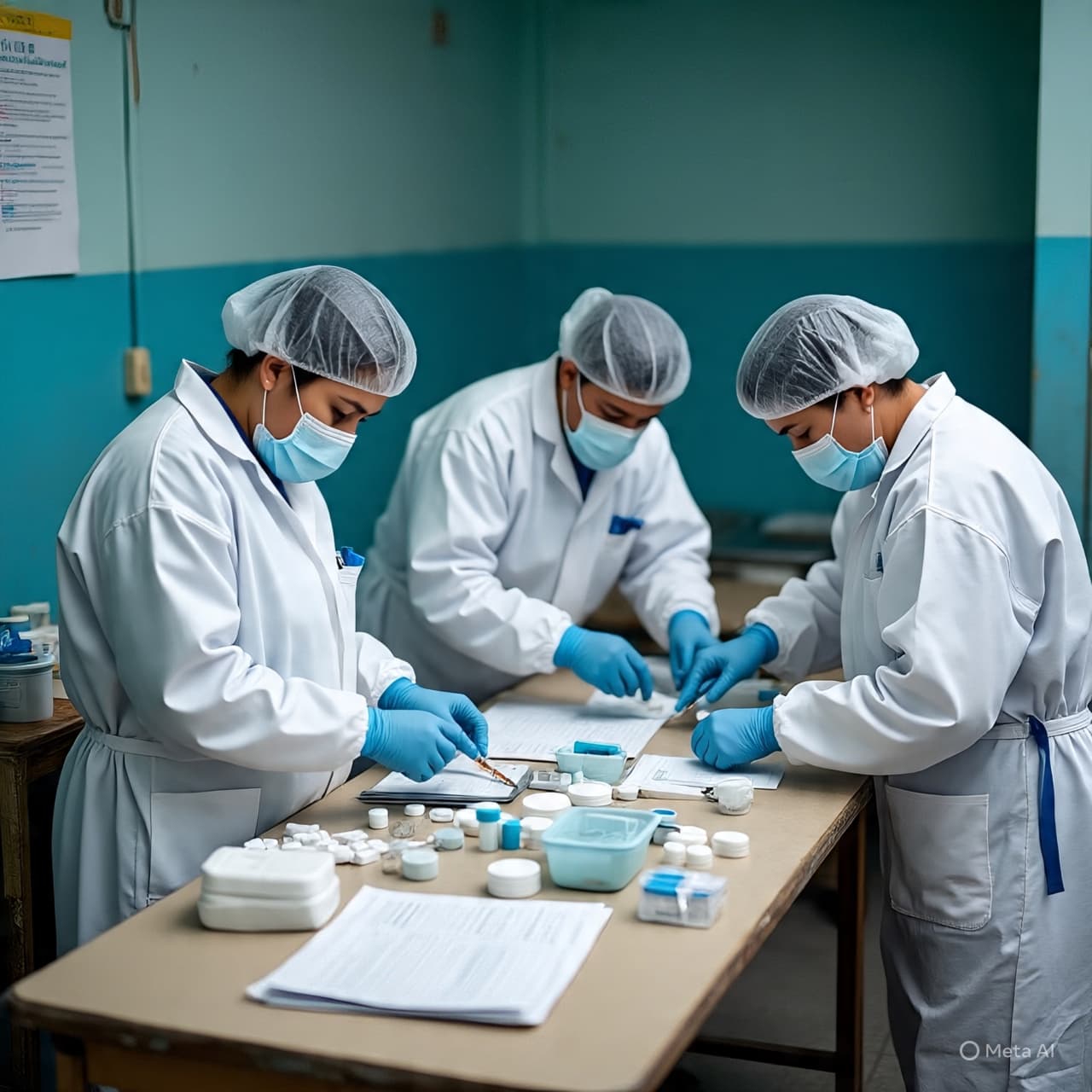
AI Image Disclaimer Visuals are AI-generated and serve as conceptual representations.
Sources Doctors Without Borders, Reuters, Associated Press, United Nations, World Health Organization
نُشر بواسطة Banx Network. هذا المقال جزء من برنامج الوسائط اللامركزية من Banx، مدعومًا برمز BXE على شبكة XRP Ledger.