
Key Highlights
- El Niño is expected to intensify wildfire risks globally by 2026.
- Climate change exacerbates conditions for wildfires, including drought and heat.
- Communities face increasing challenges from wildfires, including health and economic impacts.
[The Impact of El Niño on Wildfires]
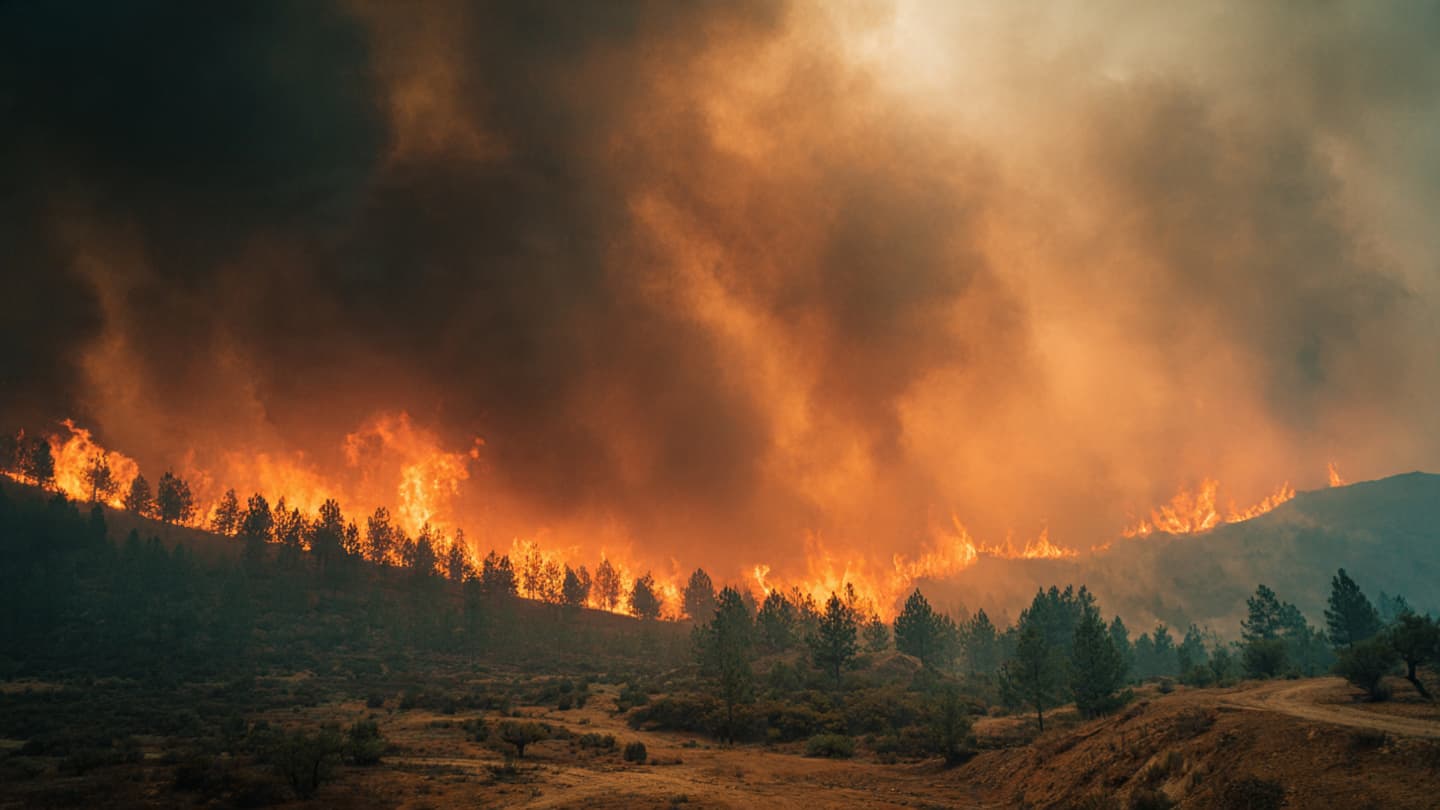
As climate change continues to reshape our environment, scientists are increasingly focused on the role of El Niño in exacerbating wildfire risks. The phenomenon, characterized by unusually warm ocean surface temperatures in the central and eastern Pacific, is expected to contribute to severe wildfire conditions across multiple regions of the world by 2026. Researchers warn that the combination of El Niño and rising global temperatures could lead to hotter conditions, prolonged droughts, and drier vegetation, all of which create environments ripe for wildfires.
El Niño is not a new occurrence; it is part of a natural climate cycle that significantly alters weather patterns worldwide. During strong El Niño events, regions often experience changes in rainfall, seasonal weather shifts, and elevated temperatures. These alterations can have profound effects on ecosystems, particularly forests and grasslands, which are already under stress from climate change.
[Wildfire Risks and Climate Change]
The concern among scientists extends beyond the immediate threat of wildfires. The interaction between climate patterns and rising global temperatures has created a precarious situation for many regions. In recent years, areas have faced repeated heatwaves, reduced rainfall, and prolonged dry seasons, leading to landscapes that are increasingly vulnerable to ignition. Wildfires have become one of the most visible indicators of a warming climate, with devastating impacts observed in forests and grasslands alike.
While El Niño does not directly cause wildfires, it influences environmental conditions that heighten the risk. Factors such as drier soil, lower humidity, and reduced rainfall collectively increase the likelihood of wildfires. The implications of these fires extend beyond environmental damage; they pose significant threats to public health through smoke pollution, displace communities, disrupt agriculture, and strain emergency response systems. The economic costs associated with wildfire recovery have surged in many countries, highlighting the urgent need for effective management strategies.
[Communities Under Threat]
Researchers are particularly concerned about regions already grappling with water stress and extreme heat. Forests weakened by drought become more susceptible to ignition, while dry vegetation can quickly turn into fuel during extended hot periods. As 2026 approaches, governments and emergency agencies in vulnerable areas are expected to closely monitor seasonal forecasts. Preparations may include bolstering firefighting resources, enhancing early warning systems, conducting controlled burns, and encouraging communities to develop evacuation and emergency response plans.
Despite these efforts, the emotional and psychological toll of wildfire seasons is significant. Communities that have previously faced disasters often live with a heightened awareness of the risks posed by dry winds and rising temperatures. The conversation surrounding wildfires has evolved, with environmental groups advocating for stronger climate action while policymakers navigate the complexities of economic considerations and disaster preparedness.
[The Broader Climate Conversation]
Ordinary citizens experience the effects of these climate patterns in their daily lives—through smoky skies, water restrictions, rising insurance costs, and concerns about future environmental stability. For scientists, the warnings surrounding El Niño and wildfire risk emphasize the importance of preparation rather than mere prediction. Climate systems are complex, and seasonal outcomes can vary significantly across regions. However, the growing consistency of these patterns underscores the urgent need for proactive measures to mitigate the impacts of climate change and protect vulnerable communities.
Published by Banx Network. This article is part of the Banx decentralized media programme, powered by the BXE token on the XRP Ledger.



