Morning light in Los Angeles arrives differently than it does in New York. It does not rush between towers or ricochet off glass. It lingers, low and warm, brushing across porches and palm shadows as if it has nowhere else to be. For one New Yorker, long accustomed to the vertical pulse of the East Coast, this light became the first quiet invitation to stay.
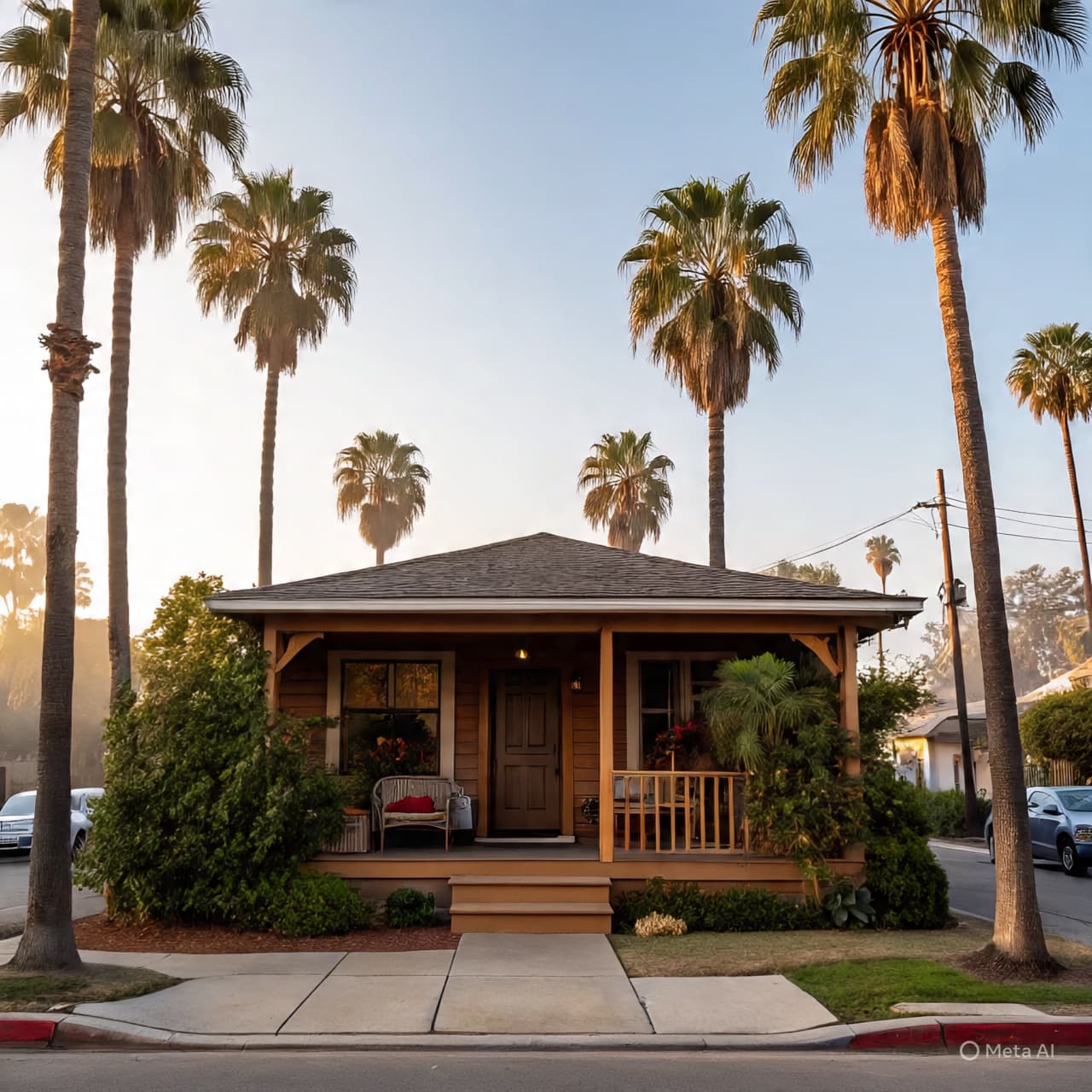
The move west was not sparked by ambition or escape, but by curiosity. Years of apartment living had taught efficiency, not intimacy. Walls were shared, sounds overlapped, and the city was always present, even in silence. The bungalow in Los Angeles appeared almost modest by comparison, a single-story home with a pitched roof, a narrow front yard, and a porch that seemed to wait patiently rather than demand attention. It was not love at first sight, but something gentler—recognition.
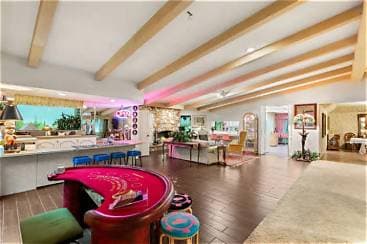
Inside, the house revealed its language slowly. Wooden floors carried the marks of previous lives. Windows opened outward instead of upward, framing trees rather than traffic. The rooms did not compete with one another; they conversed. In New York, space had always been negotiated. Here, it was offered.
The neighborhood followed the same rhythm. Mornings unfolded with footsteps and dogs instead of sirens. Afternoons carried the scent of citrus and sun-warmed concrete. Evenings arrived without announcement. The bungalow did not insulate its owner from the city, but softened its edges, allowing engagement on human terms rather than urban necessity.
Adjustments came quietly. There were fewer delivery apps, more walks. Fewer late nights, more early light. The absence of density created room for routine, and routine, in turn, created a sense of belonging. The house asked for care—watering plants, opening windows, noticing weather—and in doing so, offered something rare: participation.
This was not a rejection of New York. The city remained a teacher of urgency, ambition, and scale. But the bungalow introduced another curriculum, one centered on patience and presence. It suggested that home could be horizontal, that success could be quiet, and that fulfillment might arrive without spectacle.
In time, the New Yorker stopped comparing. The bungalow was no longer an alternative, but a choice. It stood as proof that places do not change people abruptly. They invite them, slowly, into new ways of seeing.
AI Image Disclaimer Illustrations were produced with AI and serve as conceptual depictions rather than real photographs.
Source Check:
The New York Times Los Angeles Times Architectural Digest Dwell Curbed
Published by Banx Network. This article is part of the Banx decentralized media programme, powered by the BXE token on the XRP Ledger.