

Key Highlights
- Toronto's road closures impact daily commuting and transit.
- Drivers face rerouted journeys and longer travel times.
- Local businesses experience changes in foot traffic and accessibility.
[Impact of Road Closures on Commuters]
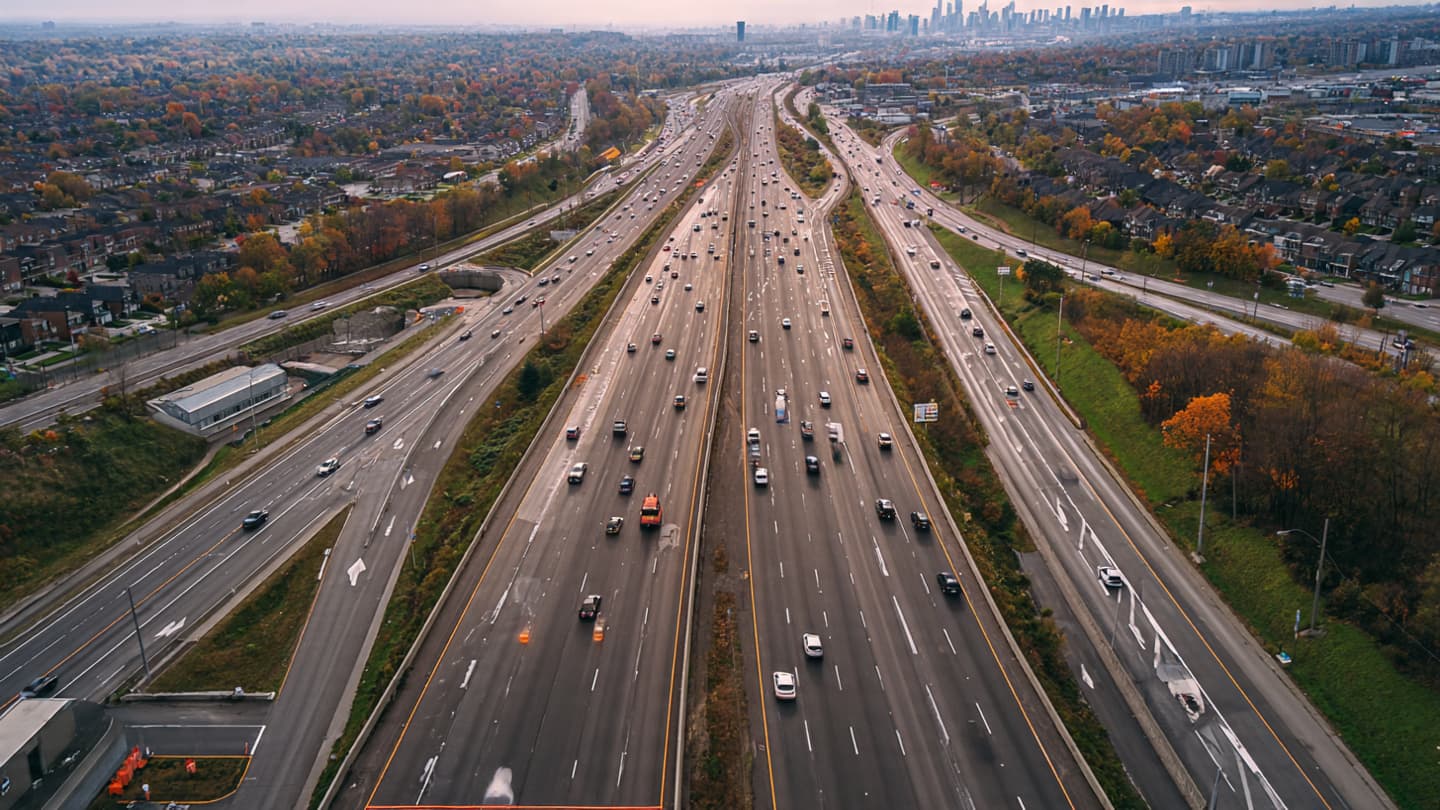
Cities move like living maps, their roads and transit lines acting as quiet currents guiding daily life. When those currents shift, even briefly, the entire rhythm of movement adjusts in ways both visible and subtle, reshaping how people experience distance and time. In Toronto, planned closures affecting the Don Valley Parkway, the Gardiner Expressway, and segments of public transit create a temporary reconfiguration of mobility across the city. These routes typically serve as essential corridors, carrying thousands of commuters and visitors each day.
For drivers, the closures mean rerouted journeys and longer travel times, especially during peak hours when alternate roads absorb additional traffic. Navigation apps and signage become essential tools, guiding vehicles through detours that may feel unfamiliar even to regular commuters. The city’s transportation department has advised drivers to plan ahead and allow extra time for their journeys, emphasizing the importance of adaptability in urban travel.
[Transit Adjustments and Challenges]
Transit riders also face adjustments, with scheduled changes affecting how trains and buses connect across key hubs. For concertgoers and event attendees, timing becomes more delicate, as arrival windows may require additional planning to avoid delays. The Toronto Transit Commission (TTC) has implemented temporary service changes to accommodate the road closures, ensuring that essential routes remain operational while minimizing disruptions.
[City Coordination and Long-Term Goals]
City transportation officials often coordinate such closures for maintenance, infrastructure upgrades, or public events, balancing short-term disruption with long-term improvements. While inconvenient, these pauses in movement are part of keeping aging urban systems functional. The city has committed to enhancing its infrastructure, which includes not only roadways but also public transit systems, to better serve its residents in the future.
[Effects on Local Businesses]
Local businesses and entertainment venues may feel the ripple effects, as accessibility influences attendance patterns. Some establishments may experience a decline in foot traffic due to the closures, while others may benefit from increased pedestrian movement in areas that become more accessible on foot. Business owners are encouraged to adapt their strategies, perhaps by promoting special events or offers to attract customers despite the disruptions.
[Urban Adaptability and Future Outlook]
Residents accustomed to predictable routes may find the city temporarily unfamiliar, as familiar paths transform into quieter corridors or redirected flows. In these moments, urban life reveals its adaptability, adjusting around infrastructure as it evolves. As the closures take effect, Toronto’s transportation network will briefly operate in a different configuration, reminding commuters how interconnected each route truly is within the city’s broader design. The experience of navigating these changes can foster a greater appreciation for the complexities of urban living and the importance of infrastructure in shaping daily life.
Published by Banx Network. This article is part of the Banx decentralized media programme, powered by the BXE token on the XRP Ledger.




