

Key Highlights
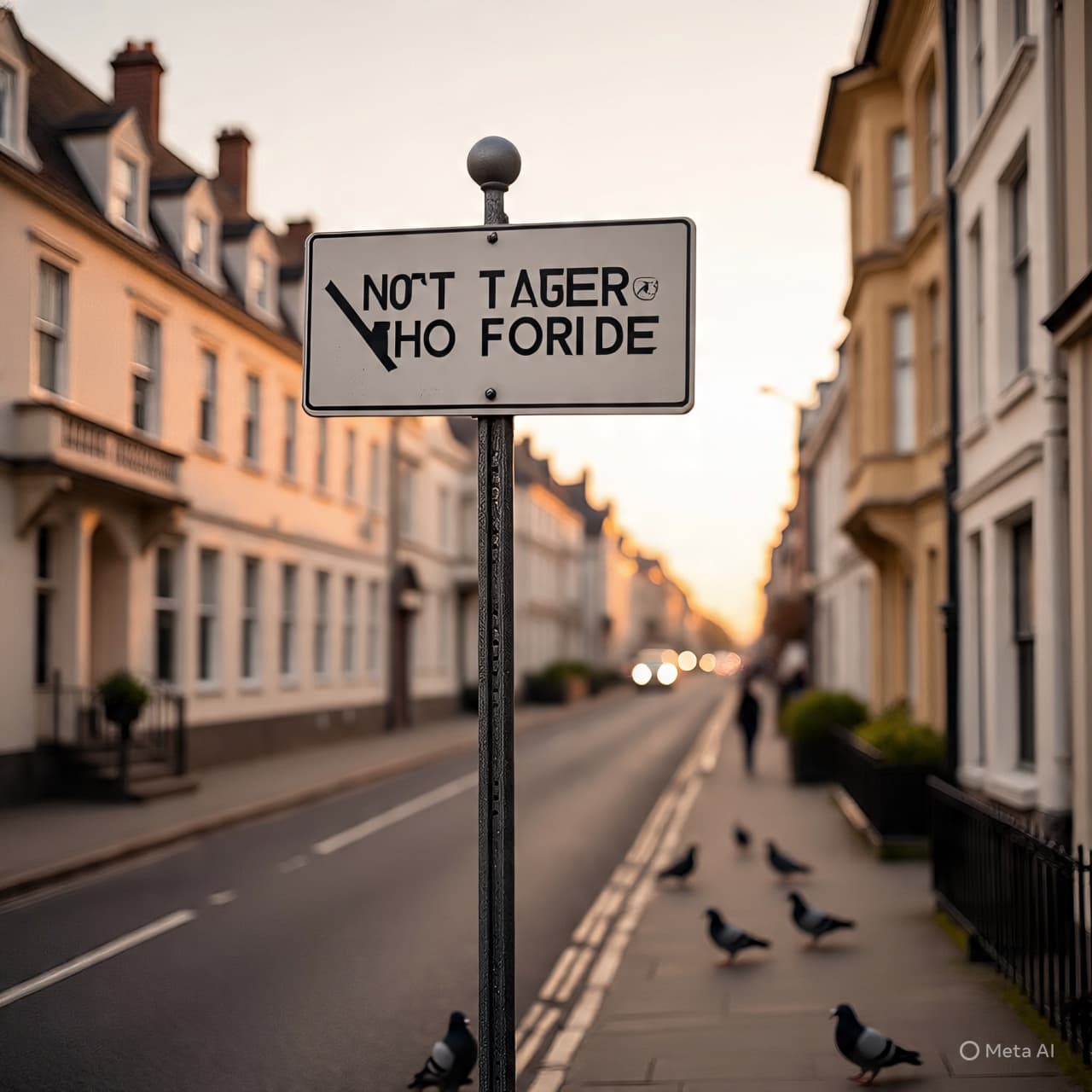
- A warning sign in Kilburn, London, cautioned against feeding birds, suggesting severe penalties.
- The sign claimed violations could lead to five years in prison, sparking public outrage.
- Brent Council later acknowledged the sign was outdated and apologized for the confusion.
In a recent incident that has captured the attention of London residents, a council notice in Kilburn warning against feeding birds has sparked significant debate. Displayed near Christchurch Avenue, the sign, which carried the Brent Council logo, suggested that individuals caught feeding birds could face penalties as severe as five years in prison or an unlimited fine. This stern warning has raised eyebrows and prompted discussions about the appropriateness of such a harsh message for an act often seen as benign.
The sign was written in English and several South Asian languages, indicating an effort to communicate with a diverse community. However, the language used—describing bird feeding as a “crime against our streets”—has been criticized for its severity. Many residents, including wildlife advocates, found the potential consequences disproportionate to the act of feeding birds, which is typically associated with kindness and compassion.
Michael Britton, a wildlife rescue volunteer, expressed his astonishment at the warning, questioning the validity of the claim that feeding birds could lead to a lengthy prison sentence. He pointed out that such severe penalties are usually reserved for much more serious offenses, suggesting that the sign's message was misleading.
The legal framework behind the sign is rooted in a Public Space Protection Order (PSPO) that Brent Council has implemented to manage certain activities in public areas. These orders are designed to address issues such as littering and antisocial behavior, particularly in relation to large populations of birds that can create hygiene concerns. However, council documents reveal that violations of these orders typically result in lighter penalties, such as fixed penalty notices or fines, rather than imprisonment. In fact, the maximum fine for breaching the order is generally capped at £1,000.
In light of the public reaction, Brent Council has since acknowledged that the sign was outdated and did not accurately reflect the current penalties associated with feeding birds. Officials have apologized for any confusion caused by the sign and indicated that it would be removed or updated to provide clearer information.
This incident highlights the ongoing challenge urban authorities face in balancing public health concerns with compassion for wildlife. While feeding birds can lead to large flocks gathering in public spaces—raising issues of cleanliness and potential disease transmission—many residents view it as a simple act of kindness towards animals that share their environment.
The discussion surrounding the sign has evolved into a broader conversation about how cities communicate rules and regulations to their residents. Signs are intended to guide behavior, but their tone and wording can significantly influence public perception of authority and compliance. As such, the Kilburn sign has become an unexpected focal point for discussions about urban life, wildlife, and governance.
As Brent Council moves to rectify the situation, the incident serves as a reminder that even seemingly straightforward messages can carry unintended weight and provoke significant public discourse. The community's response underscores the importance of clear communication and the need for local authorities to engage thoughtfully with residents on issues that affect their daily lives.
Published by Banx Network. This article is part of the Banx decentralized media programme, powered by the BXE token on the XRP Ledger.




