
Key Highlights
- Incident:A double-decker bus collided with a railway bridge in Manchester.
- Injuries:Seventeen passengers were reported injured in the accident.
- Response:Emergency services attended the scene to assist the injured.
On a typical Tuesday morning in Manchester, the city's iconic double-decker buses serve as a familiar backdrop to the daily commute. These red and blue vehicles glide through the urban landscape, offering passengers a unique vantage point above the bustling streets. However, the routine was shattered when one such bus collided with a low railway bridge, resulting in a scene of chaos and confusion.
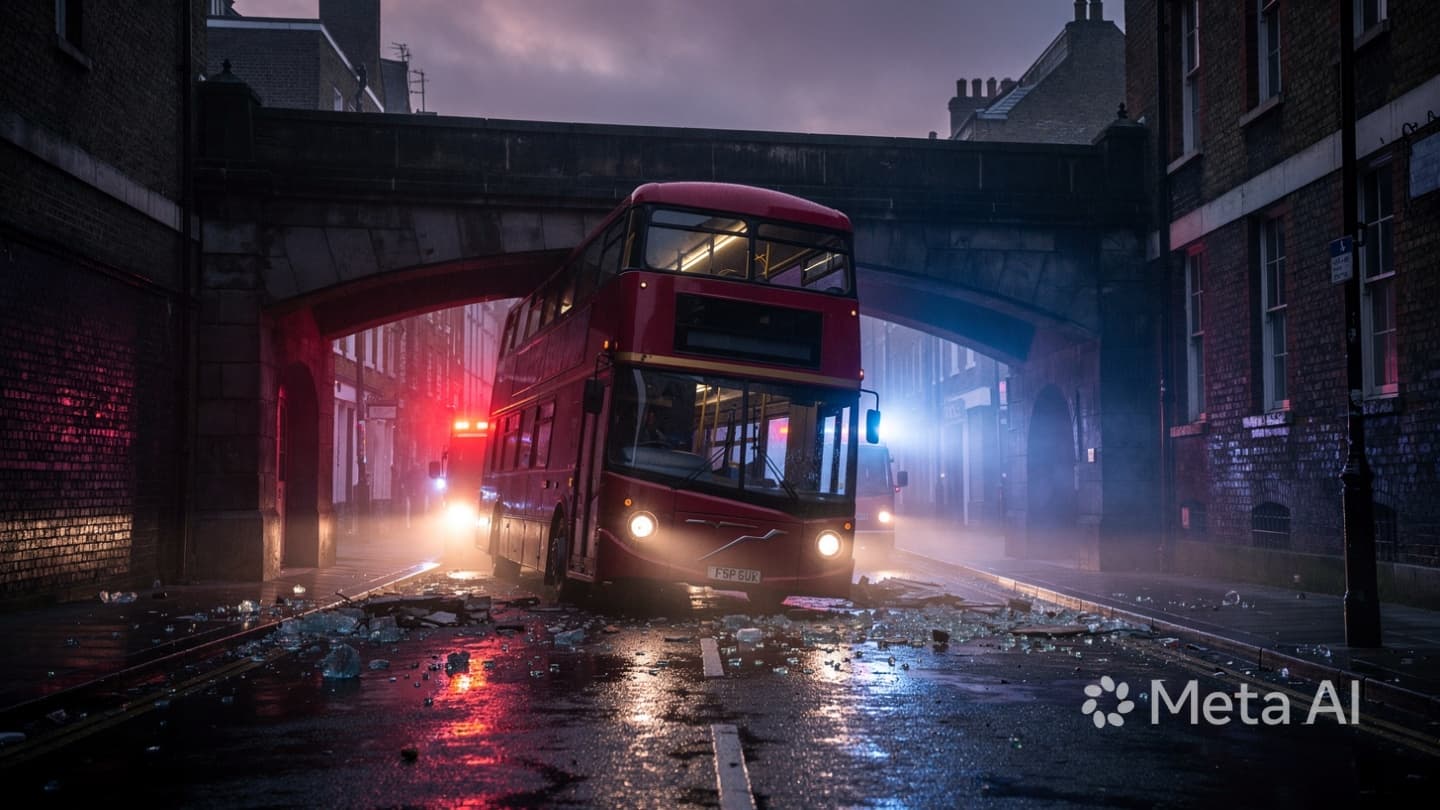
The collision occurred as the bus, navigating the narrow streets of the city, misjudged the height of the railway arch. The sound of metal grinding against stone echoed through the area, signaling a catastrophic miscalculation. Eyewitnesses described the moment as surreal, with the top deck of the bus peeled back, exposing the passengers to the elements and the surrounding debris.
Emergency services, including the North West Ambulance Service, quickly arrived at the scene. Their response was marked by a sense of urgency and professionalism as they worked to extract the injured from the wreckage. Passengers, who had been engrossed in their morning routines, suddenly found themselves in a life-altering situation, surrounded by shattered glass and twisted metal.
The aftermath of the incident left the bus wedged beneath the bridge, a stark reminder of the dangers that can lurk in everyday travel. The bridge, a testament to Victorian engineering, stood firm despite the impact, its stone facade marred but unyielding. Investigators will likely examine the height markers and the bus's route to understand how such a collision could occur in a city accustomed to its own infrastructure.
As the day progressed, the scene transformed from one of immediate chaos to a somber reflection on the fragility of urban life. Traffic ground to a halt, with detour signs appearing as bright interruptions in the morning flow. For those witnessing the event, the sight of a familiar mode of transport rendered helpless was jarring, prompting questions about safety and infrastructure in a rapidly evolving city.
By evening, the injured were receiving care in local hospitals, their lives altered by a journey that took a tragic turn. The bridge, now marked by the incident, continued to serve its purpose, with trains passing overhead as if unaware of the drama that had unfolded below. This incident serves as a critical reminder of the need for ongoing assessments of public transport safety and the infrastructure that supports it.
Greater Manchester Police confirmed that seventeen individuals sustained injuries in the collision. Emergency services worked diligently to treat the injured and transport several to nearby hospitals. The road remained closed for hours as recovery teams carefully removed the damaged bus, ensuring the safety of the area before reopening it to traffic.
As Manchester reflects on this incident, it highlights the importance of vigilance in urban planning and public transport safety, ensuring that such accidents are minimized in the future.
Published by Banx Network. This article is part of the Banx decentralized media programme, powered by the BXE token on the XRP Ledger.



