
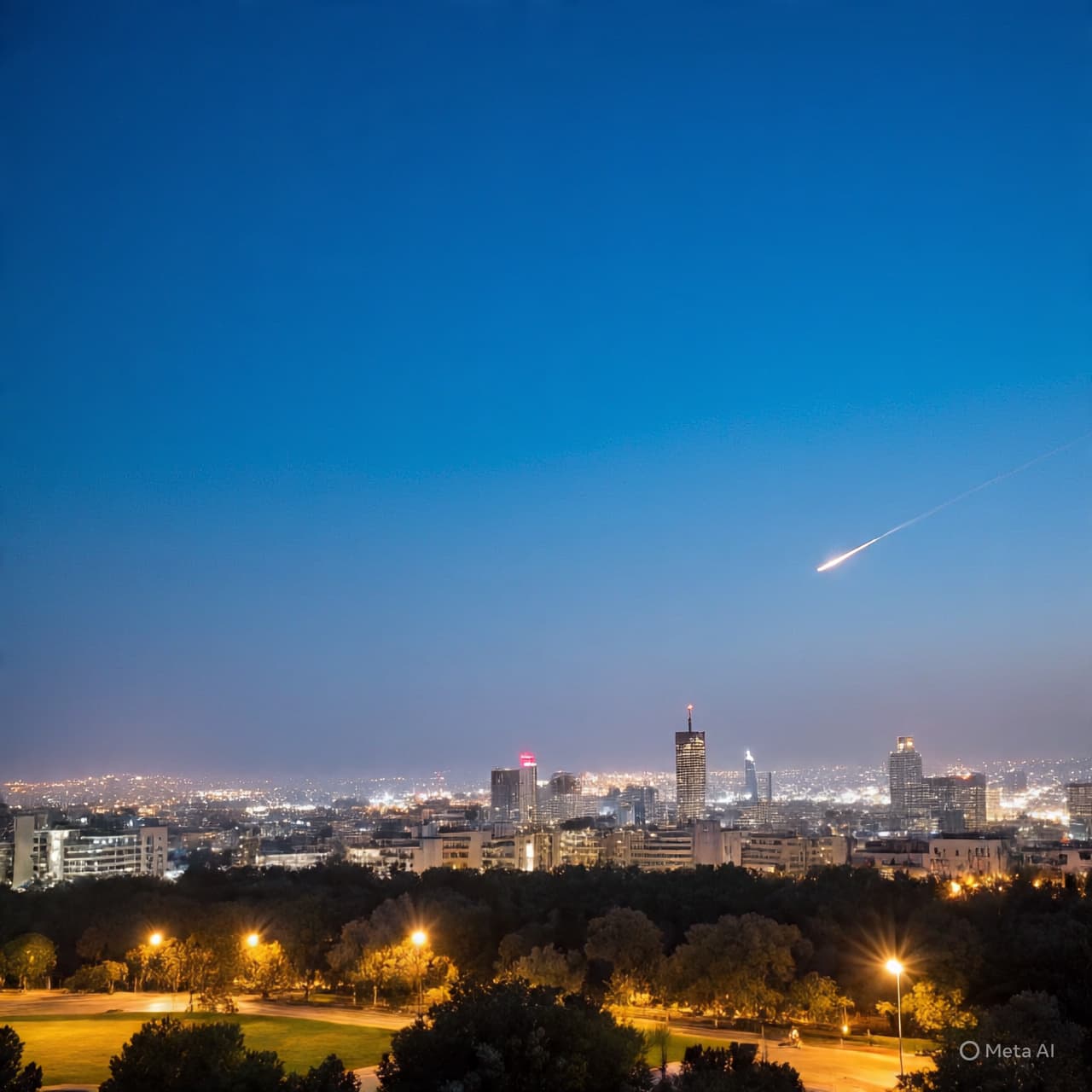
In every great city, there are quiet systems that keep life moving—threads of energy woven beneath the asphalt and concrete. Fuel flows through these unseen arteries much like blood through a living body, powering buses, heating homes, and guiding the daily rhythm of millions. When those arteries are suddenly interrupted, the city feels the pause immediately, like a heart skipping a beat.
That pause arrived in Tehran after a series of strikes targeted oil storage facilities in and around the Iranian capital. Fires rose from the depots, thick smoke drifted above neighborhoods, and somewhere between the flames and the pipelines, a vital link in the city’s fuel distribution network faltered.
Authorities in Tehran confirmed that fuel distribution in the capital was temporarily halted following the attacks on oil depots attributed to the United States and Israel. The disruption was not framed as a collapse of supply but rather as a technical interruption—damage to parts of the distribution system that required time and careful repair before the network could return to its usual flow.
The strikes reportedly hit multiple fuel storage sites across Tehran and nearby areas in Alborz province, including large depots used to store gasoline and other petroleum products. Fires continued burning at several facilities as emergency crews attempted to control the flames and prevent the damage from spreading through connected infrastructure.
In response to the disruption, officials asked residents to manage fuel consumption carefully. Tehran’s administration also introduced temporary limits on the amount of fuel motorists could purchase, reducing the daily quota available through Iran’s fuel card system. The adjustment was described as a precaution—an effort to stabilize the distribution network while technicians and firefighters worked to restore operations.
Across the capital, the incident introduced a quiet tension into everyday routines. Petrol stations remained open in some areas but operated under tighter restrictions, while authorities emphasized that the country still possessed sufficient fuel reserves. The immediate challenge, officials suggested, was not the availability of fuel itself but the functioning of the pipelines, depots, and logistical systems that carry it across a sprawling metropolis.
Above Tehran’s skyline, the smoke from burning storage tanks served as a reminder of how closely infrastructure and conflict can intersect. Oil depots, pipelines, and refineries are rarely visible in the ordinary story of city life, yet they form the backbone of modern urban movement.
For now, Iranian officials say repairs are underway and the disruption is expected to be temporary. The aim, they say, is to restore the distribution network as quickly as possible while maintaining safety around the damaged sites.
And so, as technicians work beneath the surface and firefighters battle the lingering flames, the capital waits for the quiet return of a familiar rhythm—the moment when fuel once again begins its silent journey through the city’s hidden veins.
AI Image Disclaimer
Graphics in this article are AI-generated and intended for representation, not reality.
Source Check
Credible sources confirming the event exist. Key media outlets reporting the disruption include:
1. Reuters
2. Financial Times
3. Al Jazeera
4. Anadolu Agency
5. The Guardian
Published by Banx Network. This article is part of the Banx decentralized media programme, powered by the BXE token on the XRP Ledger.


