
Key Highlights
- Incident:A 52-year-old taxi driver was arrested following a high-speed pursuit in Hong Kong.
- Speed:The taxi was clocked at 160 km/h on the North Lantau Highway.
- Charges:The driver faces charges of dangerous driving and has been released on bail pending investigation.
On a typical night in Hong Kong, the city's intricate network of roads hums with the rhythm of life. The harbor tunnels and flyovers serve as arteries for the bustling metropolis, where the pulse of the city never truly sleeps. As evening descends, the once-crowded streets transform into a quieter scene, with taxis gliding through the dimly lit roads, each carrying untold stories of the night.
However, one such taxi ride took a dramatic turn in the early hours of the morning. What began as a routine fare quickly escalated into a high-speed chase that would capture the attention of law enforcement and the public alike. The taxi, a familiar red icon of the city, was clocked at an alarming speed of 160 km/h on the North Lantau Highway, a stretch of road not designed for such reckless velocity.
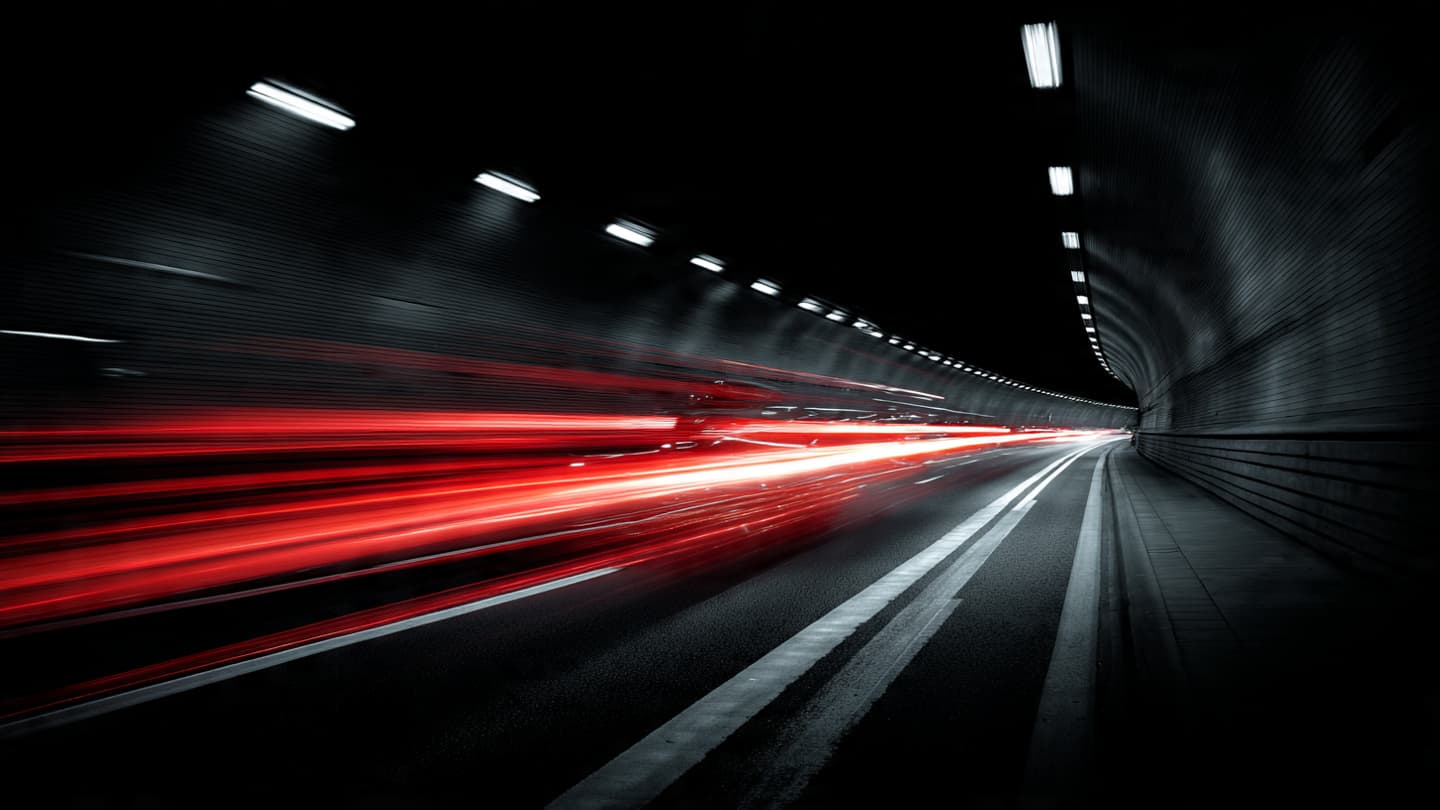
The pursuit began when officers from the Traffic Management Bureau observed the taxi weaving dangerously through light traffic. The driver, seemingly oblivious to the risks posed to himself and others, pushed the vehicle to its limits, transforming the taxi from a means of transport into a projectile racing through the urban landscape. The streetlights blurred into a ribbon of gold as the driver surrendered to the thrill of speed, leaving behind a trail of potential danger.
As the chase unfolded, the tension escalated. The police intervention was not merely a response to a speeding vehicle; it was a necessary action to reclaim public safety. The authorities recognized that the reckless behavior of one individual could jeopardize the lives of many. When the taxi finally came to a halt, the silence that followed was heavy with the weight of what could have transpired—a moment of reckoning after a period of reckless abandon.
The aftermath of the incident revealed the stark contrast between the ordinary and the extraordinary. The taxi, now parked at the roadside, appeared mundane against the backdrop of its recent high-speed escapade. The driver, once a trusted navigator of the city, now found himself under scrutiny, representing a breach of the professional trust that the community places in its drivers.
In the wake of the incident, discussions about road safety and shared responsibility resurfaced. The roads are a communal space where the safety of all depends on the restraint of every driver. When that restraint falters, the entire structure of urban commuting becomes precarious. The arrest of the taxi driver serves as a reminder that the rhythm of the city must be governed by collective responsibility rather than individual impulses.
As dawn broke over Hong Kong, the roads gradually returned to their regulated flow. The high-speed drama of the night faded into a series of data points in a police report, a cautionary tale etched into the records of the transport department. The taxi was towed away, leaving behind only the memory of its engine's roar and the lessons learned from a night of reckless driving.
Published by Banx Network. This article is part of the Banx decentralized media programme, powered by the BXE token on the XRP Ledger.



