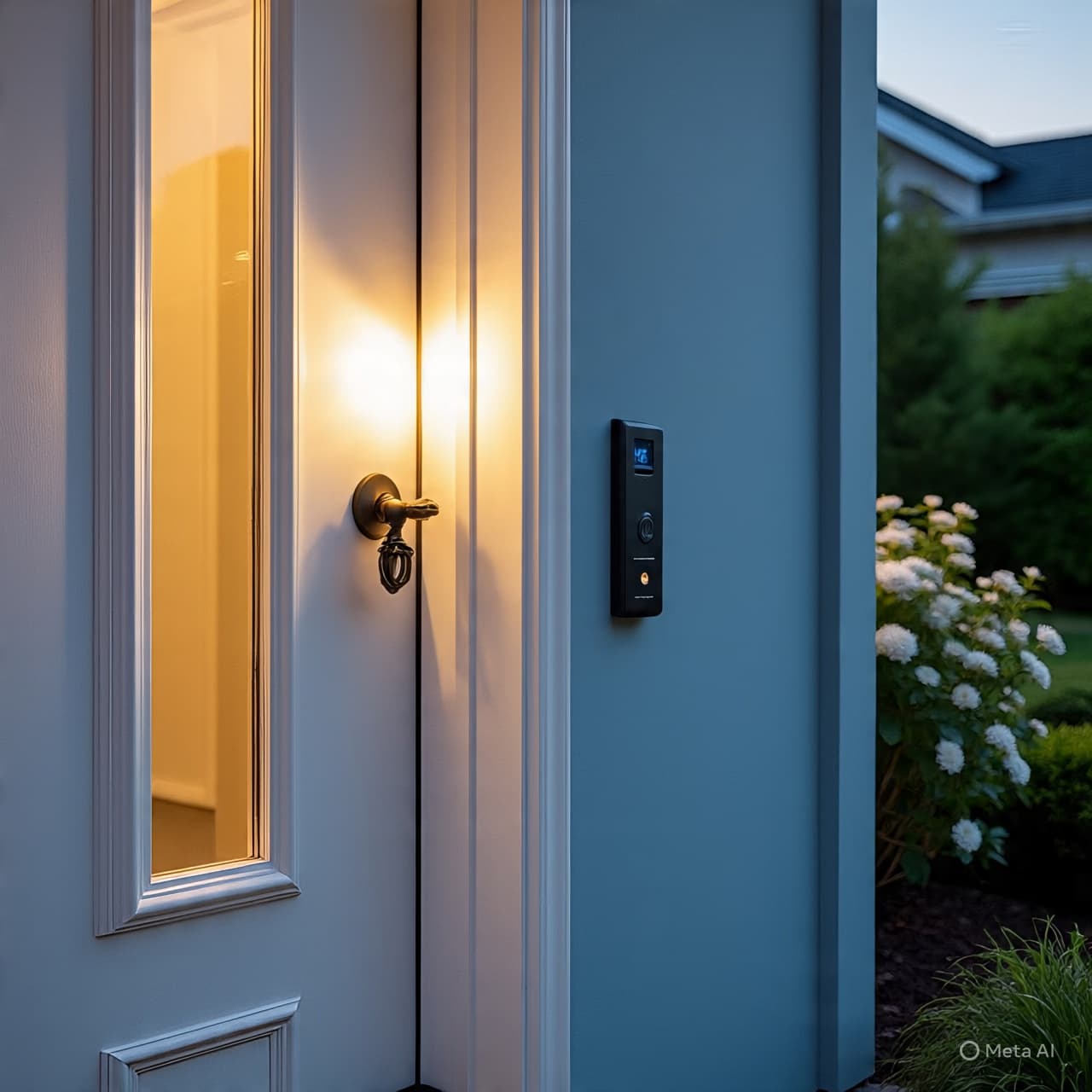
In the quiet space between a doorbell chime and a door opening, there is a moment of trust. A small lens watches the porch, a notification lights up a phone, and technology performs its silent promise: to make the threshold feel safer. Yet even the smallest devices can carry the weight of larger questions. When a commercial during the Super Bowl stirred unexpected backlash, it was not only an advertisement that came under scrutiny, but the relationships behind the screen.
’s smart doorbell subsidiary, , has scrapped a partnership with another company following criticism tied to a Super Bowl advertisement. What began as a marketing moment — designed to showcase innovation and visibility — evolved into a broader conversation about tone, messaging, and responsibility in the home surveillance space.
The Super Bowl, long considered one of the most visible stages in American advertising, often rewards boldness. Brands compete not just for attention, but for cultural resonance. In this case, the advertisement in question reportedly sparked unease among viewers and privacy advocates, who questioned whether the campaign’s messaging aligned comfortably with public sensitivities around surveillance and data use.
The backlash appears to have accelerated scrutiny of Ring’s external partnerships. While details of the arrangement have not been fully disclosed, reporting indicates that the collaboration drew criticism in the wake of the ad’s reception. In response, Ring chose to end the relationship, signaling an effort to recalibrate and distance itself from controversy.
This development reflects a familiar tension in modern consumer technology. Devices that promise security operate within an environment increasingly attentive to privacy boundaries. Consumers are no longer passive recipients of innovation; they are active participants in shaping how technology evolves. When discomfort surfaces, it often travels quickly — amplified through social media, public commentary, and news coverage.
For Amazon, whose ecosystem spans retail, cloud computing, and smart home devices, reputational considerations are not peripheral. They sit near the center of brand identity. Ring, acquired years ago as part of Amazon’s expansion into connected home security, has frequently been part of discussions around law enforcement partnerships and data transparency. Each new controversy, however small, adds to an ongoing narrative about accountability in the digital age.
Advertising, too, carries risk. A 30-second message during the Super Bowl can reverberate far beyond the game itself. It can invite humor, admiration, or critique — sometimes all at once. In this instance, the reaction appears to have prompted internal reassessment. Ending the partnership suggests a willingness to respond to public sentiment rather than ignore it.
At the same time, the company’s core products remain unchanged. Ring continues to market video doorbells and home monitoring systems designed to provide users with real-time access to activity at their homes. There has been no indication of product withdrawals or fundamental operational shifts tied directly to the episode.
For observers, the story may be less about a single advertisement and more about the evolving expectations placed upon technology companies. Visibility, once framed purely as empowerment, now carries nuance. Consumers ask not only what a device can do, but how it is positioned, who it partners with, and whether its messaging reflects care.
In practical terms, Ring has ended its partnership following the backlash connected to the Super Bowl advertisement. The company has not announced additional structural changes. As the smart home market continues to expand, the incident stands as another reminder that innovation and public trust move together — and sometimes must be recalibrated in tandem.
AI Image Disclaimer: Visuals are created with AI tools and are not real photographs.
Sources:
Reuters
Bloomberg
CNBC
The Wall Street Journal
The Verge
Published by Banx Network. This article is part of the Banx decentralized media programme, powered by the BXE token on the XRP Ledger.