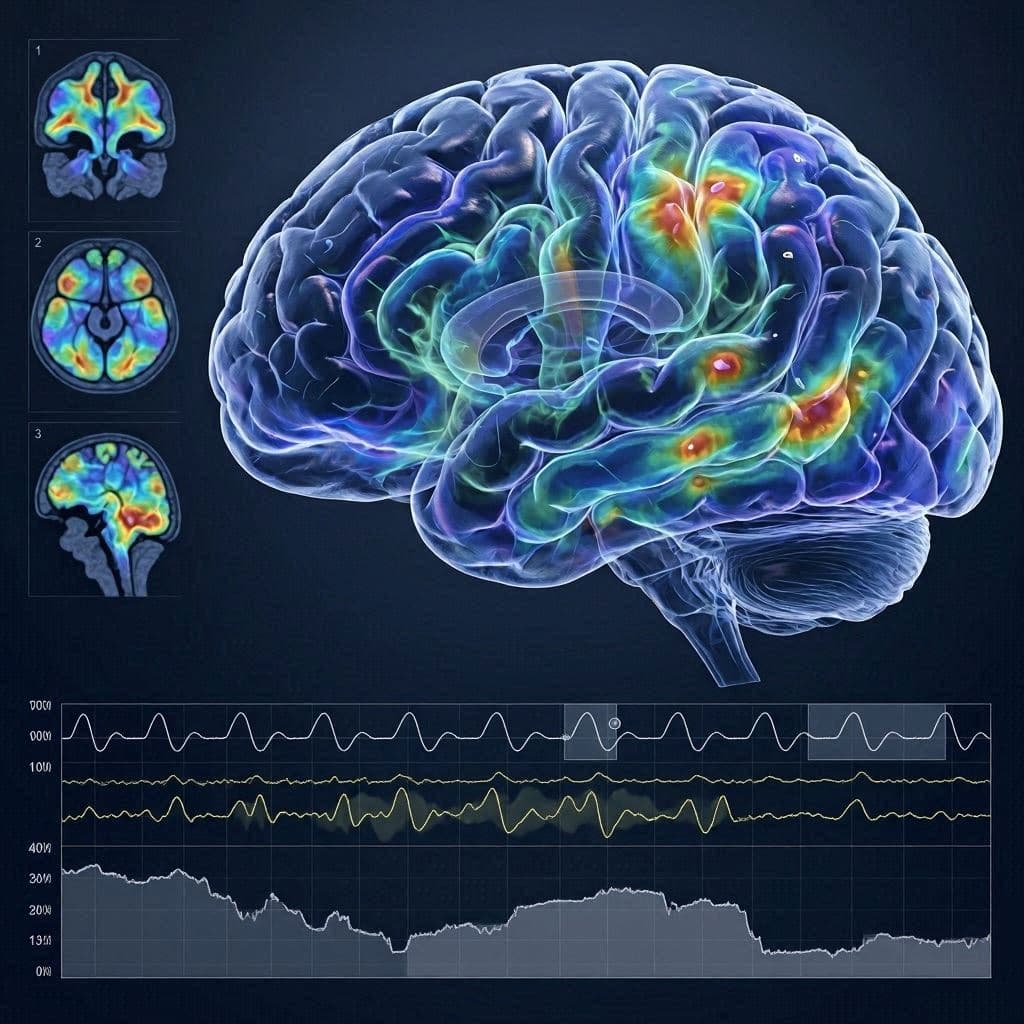
Sleep has always been seen as a quiet pause in human activity, yet beneath its still surface lies a complex biological rhythm. In that hidden state, the body does not simply rest—it repairs, reorganizes, and recalibrates the systems that sustain life.
Body Recent scientific findings highlight the discovery of neural and hormonal mechanisms during deep sleep that are closely linked to muscle recovery, fat metabolism, and cognitive restoration. These processes are often referred to collectively as sleep-dependent biological regulation.
Researchers explain that deep sleep, also known as slow-wave sleep, plays a critical role in growth hormone release, which supports tissue repair and muscle development. This stage of sleep also influences metabolic processes related to energy usage.
Studies suggest that during deep sleep, the brain undergoes a form of “maintenance cycle,” where synaptic connections are reorganized and unnecessary neural activity is reduced. This may contribute to improved memory consolidation and cognitive performance.
Metabolic research also indicates that sleep quality is closely tied to fat regulation, with disrupted sleep patterns associated with changes in appetite-related hormones such as leptin and ghrelin.
Scientists emphasize that the concept of a single “circuit” is a simplified way of describing multiple interconnected systems involving the brain, endocrine system, and metabolic pathways working in coordination.
Ongoing research continues to explore how optimizing sleep patterns could improve physical health outcomes, mental performance, and long-term metabolic balance.
Closing Experts continue to study deep sleep mechanisms to better understand how restorative biological processes can be supported through healthier sleep habits.
AI Image Disclaimer: All visuals are AI-generated and intended for editorial illustration purposes only.
Sources: Nature Neuroscience, Sleep Journal, NIH, Harvard Medical School, Science Daily
Published by Banx Network. This article is part of the Banx decentralized media programme, powered by the BXE token on the XRP Ledger.