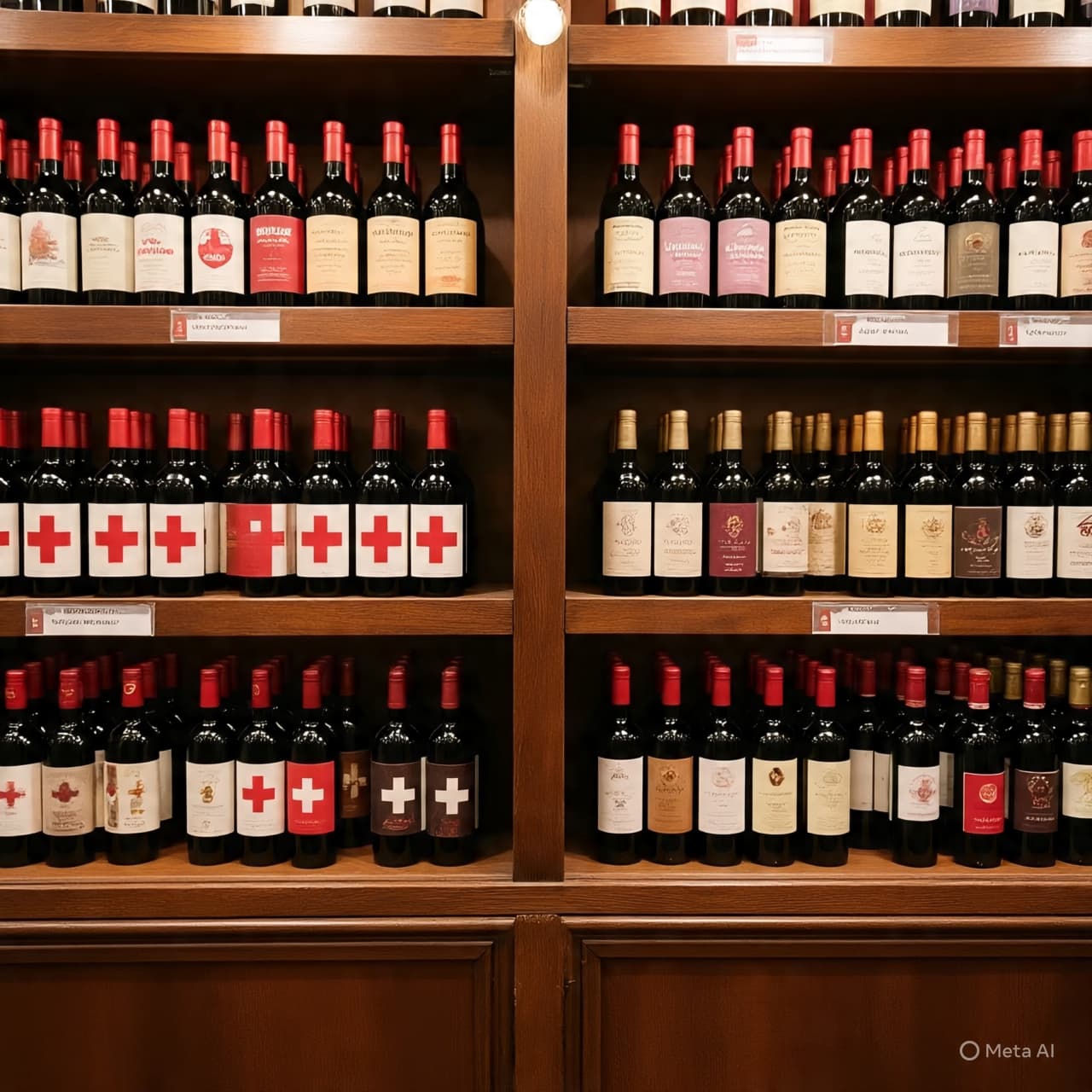
Long before the grapes reach the press and the wine finds its way to the table, there is a quiet season in the vineyard — a time of watching vines bend with autumn’s harvest and of wondering how tomorrow’s weather will shape the coming year. In the delicate balance between earth and sky, the life of a vineyard resembles the life of a community: patient, rooted in place, and vulnerable to winds beyond its control. In Switzerland today, many winegrowers find themselves in just such a reflective moment, facing not only the vagaries of nature but the currents of a market that flows far beyond the Alpine hills where their vines grow.
In recent months, Swiss vineyard associations and grower groups have been urging a reconsideration of the rules governing wine imports, seeking to reinstate a system that would tie import rights for foreign bottles to the volume of domestic wine sold — a kind of economic choreography that once helped ensure that local vintages did not get overshadowed by their European neighbors. Under this envisioned arrangement, importers would hold quotas linked to Swiss wine sales, helping to keep the market from being inundated by cheaper bottles from France, Italy, Spain and others — countries whose extensive vineyards often yield exports at scale.
For many growers in cantons such as Valais and Vaud, this is not merely about competition but about identity — the sense that the lush terraces along Lake Geneva and the sun-drenched slopes by the Rhône deserve a fair turn at the palate of a domestic consumer. Wine consumption in Switzerland has declined over the past two decades, and the area under vine has remained largely steady, leaving producers feeling squeezed between stagnant demand and the inflow of foreign wine that now makes up around two-thirds of the Swiss market.
Yet not everyone views the proposal with equal warmth. Traders, some producers and market observers warn that temporary protectionist measures would hardly address deeper structural challenges — such as shifting tastes among consumers who drink less wine overall, the rising cost of production in Switzerland, and the need for innovation in marketing and quality. There’s a sentiment among some that merely raising walls around the market could risk sheltering producers from competition rather than enabling them to grow stronger in it.
Critics also argue that measures aimed at shielding local producers might inadvertently reduce variety for consumers and complicate the work of retailers and importers who balance portfolios of domestic and international wines. Some say that a focus on strengthening the appeal and distinctiveness of Swiss wines could be a more fruitful path than erecting barriers to external bottles.
Much like the seasonal rhythms that shape every vintage, the debate over import restrictions unfolds slowly, with voices gathering in discussion and decision alike. As the proposal moves through parliamentary consideration, political resistance looms; not everyone in the legislature sees quota-linked rules returning to the vineyards. Yet the conversation itself — about heritage and competition, tradition and adaptation — reflects a deeper yearning to understand where Swiss wine stands in a world where tastes and trade continually evolve.
In straightforward terms, Swiss winegrower associations have proposed restoring stricter import rules for foreign wine by linking import quotas to domestic wine sales, aiming to protect local producers from competition amid falling consumption and rising imports. Opponents, including traders and some producers, contend such measures would not address underlying challenges and could hinder market competition. A parliamentary vote is anticipated in the spring, with significant debate expected
AI Image Disclaimer
“Graphics are AI-generated and intended for representation, not reality.”
Source Check
1. Financial Times (news report on Swiss wine growers import limits)
Published by Banx Network. This article is part of the Banx decentralized media programme, powered by the BXE token on the XRP Ledger.