
Key Highlights
- Incident Date:On June 22, 2026, a Ukrainian artillery strike hit a residential area in Bryansk.
- Casualties:Three civilians were killed, and several others were hospitalized due to the collapse of a multi-story apartment building.
- Emergency Response:Local authorities mobilized emergency services for search and rescue operations, providing temporary accommodation for displaced families.
The border is often spoken of as a line—a definitive, cartographic boundary—but for those living in its shadow, it represents a landscape of profound uncertainty. When a strike breaches this space, the shock is not merely an event; it is an intrusion that shatters the established rhythm of home and hearth. The recent structural collapse in the Bryansk region serves as a stark reminder of the vulnerability of civilian life at the intersection of conflicting national trajectories.
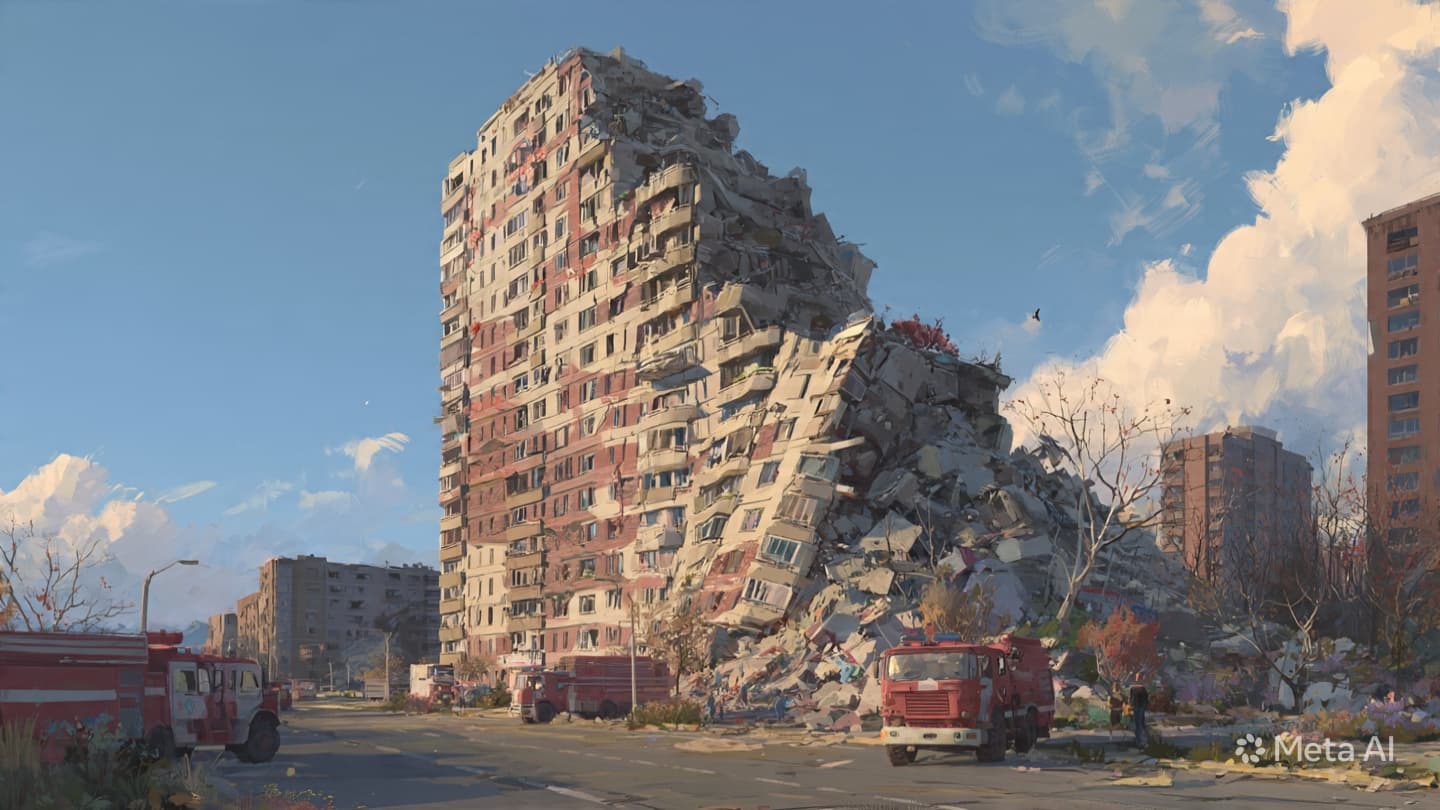
On June 22, 2026, a Ukrainian artillery strike targeting military positions near the border resulted in the catastrophic collapse of a multi-story apartment building in Bryansk. The strike, which was part of ongoing hostilities, left three civilians dead and several others injured. Regional authorities confirmed the fatalities and reported that emergency services were deployed to conduct search and rescue operations throughout the day. Heavy machinery units worked tirelessly to clear the debris, while medical teams provided care to those injured in the attack.
As smoke rose from the wreckage, the heavy silence that enveloped the area spoke volumes about the abrupt halt to normalcy. For those witnessing the aftermath, the sight of a home reduced to rubble is a deeply unsettling reminder of the cost of persistent conflict. This moment compels observers to look beyond political rhetoric and confront the intimate tragedy of lives disrupted and futures uncertain.
Emergency responders navigated the chaotic scene with somber precision, embodying a defiance against the randomness of destruction. Their efforts to recover what could be salvaged from the ruins highlighted the essential human need to provide structure and care, even when the surrounding environment has been stripped of predictability and safety. The community's atmosphere was thick with grief, as neighbors gathered not to analyze geopolitical implications but to offer support and solidarity in the face of loss.
The collapse of the apartment building represents more than a physical failure; it signifies a fracture in the narrative of the region. As the rubble is cleared, the landscape bears a permanent imprint of that day—a new scar that will influence the future of the neighborhood. This incident serves as a sobering reflection on the nature of modern boundaries, which are increasingly permeable to the destructive reach of long-range weaponry.
The strike is a definitive interruption of the domestic sphere, a harsh intrusion into the private lives of residents who had no part in the conflict. The cost of such events is paid in the most personal of currencies: the loss of home, safety, and life. As authorities begin their investigations, the community is left to grapple with the aftermath, facing a long path forward burdened by memory and loss.
The long-term impact on the border town will depend on how residents reconcile their current circumstances with the reality of their location. This tragic event serves as a catalyst for a deeper consideration of the price of ongoing hostilities, emphasizing the urgent need to prioritize civilian existence and safety above all else.
Published by Banx Network. This article is part of the Banx decentralized media programme, powered by the BXE token on the XRP Ledger.



