
Key Highlights
- Pakistan conducted airstrikes in Afghanistan targeting militant camps.
- The strikes are part of a broader security strategy amid rising violence.
- Afghanistan condemned the strikes as a violation of sovereignty.
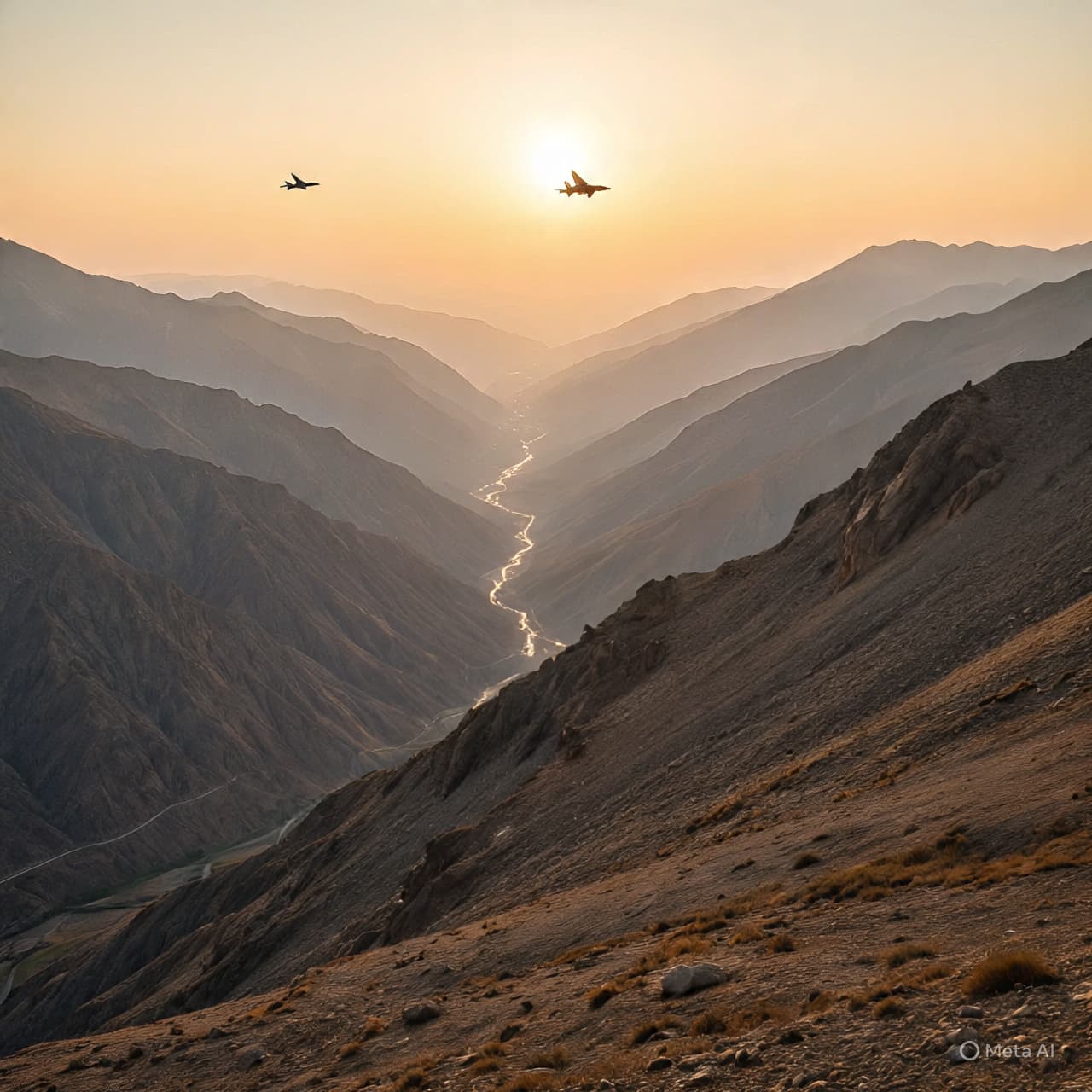
In the rugged terrain between Pakistan and Afghanistan, borders often feel more like fragile threads than definitive lines. This week, those threads were tested as Pakistan confirmed it launched airstrikes across the border, targeting camps it claims are used by armed groups responsible for attacks within its territory. The operation, framed by officials in Islamabad as a necessary security measure, aims to dismantle what they describe as militant sanctuaries that have been fueling violence in Pakistan’s border regions.
The airstrikes reportedly focused on areas believed to harbor members of the Tehrik-i-Taliban Pakistan (TTP), a group that has ramped up its operations in recent months. Pakistan's security officials argue that the resurgence of militant violence, particularly in Khyber Pakhtunkhwa and Balochistan, necessitates decisive action. They contend that cross-border networks exploit the porous terrain and political instability, creating safe havens that evade domestic enforcement. In this context, the airstrikes are presented as a clear message: sanctuaries, regardless of their location, will not remain unchallenged.
However, the Taliban-led government in Afghanistan perceives the situation differently. Afghan officials condemned the airstrikes, labeling them a violation of their sovereignty. They warn that such unilateral military actions could exacerbate tensions between the two nations, which share a complex and often fraught history. Despite Islamabad's claims, Afghan leaders have consistently denied allowing their territory to be used for attacks against Pakistan.
The border between Pakistan and Afghanistan has historically been more than just a physical divide; it serves as a corridor of tribes, trade, and shared memories. Following the Taliban's return to power in 2021, Pakistan initially hoped for a decrease in cross-border militancy. However, relations have since soured, marked by mutual accusations and sporadic clashes along the frontier.
Analysts suggest that the implications of such military operations are multifaceted. While airstrikes may achieve short-term military objectives, they risk hardening rhetoric and complicating diplomatic relations. The ongoing conflict not only affects military strategy but also has significant repercussions for cooperation in critical areas such as refugee management, trade, and counterterrorism efforts. The pressing question remains whether the dismantling of militant camps will lead to a restoration of trust between the two nations, which is already precarious.
For civilians residing near the border, these developments translate into a daily struggle for survival. Each report of aircraft overhead and every statement from distant capitals reverberates with anxiety in local communities. The rugged terrain does not differentiate between policy and personal life; it absorbs the consequences of these geopolitical maneuvers.
In Islamabad, officials assert that the airstrikes were precise and targeted solely at militant elements. Conversely, in Kabul, leaders are calling for dialogue and restraint. The path forward requires both nations to navigate the delicate balance between sovereignty and security concerns.
As the mountains stand as silent witnesses to this ongoing saga of confrontation and negotiation, the future remains uncertain. Whether this latest episode will be a fleeting flare-up or a deeper fracture will depend not only on military strategies but also on the willingness of both governments to engage in dialogue beyond the rhetoric of force.
For now, the sky has spoken, but how long its echo will resonate remains to be seen.
Published by Banx Network. This article is part of the Banx decentralized media programme, powered by the BXE token on the XRP Ledger.



