Human biology often reveals its secrets gradually, layer by layer, as science refines its ability to observe what was once invisible. In this evolving understanding of the human body, researchers have begun examining structures that may hold deeper clues about aging than previously thought.
Recent scientific studies suggest that certain internal organs and tissues may play a more significant role in predicting biological age than earlier models assumed. Among these, immune-related structures have gained attention for their connection to overall physiological resilience.
Researchers studying aging processes have long distinguished between chronological age and biological age. While chronological age tracks time, biological age reflects the condition and efficiency of the body’s systems.
The findings indicate that specific organs may act as indicators of how quickly or slowly a person is aging internally. This does not suggest a single “aging organ,” but rather a network of systems that collectively influence longevity.
The immune system, in particular, has been closely linked to aging patterns. As it weakens or adapts over time, it can affect susceptibility to disease, recovery rates, and overall health stability.
Scientists emphasize that these insights are still developing. While correlations between certain biological markers and aging have been observed, translating them into predictive tools for lifespan remains a complex challenge.
However, the research opens possibilities for earlier interventions in age-related diseases, potentially allowing healthcare systems to shift from reactive treatment to preventive monitoring.
As studies continue, the idea of “hidden biological indicators” of aging reflects a broader scientific effort to understand not just how long humans live, but how well they live over time.
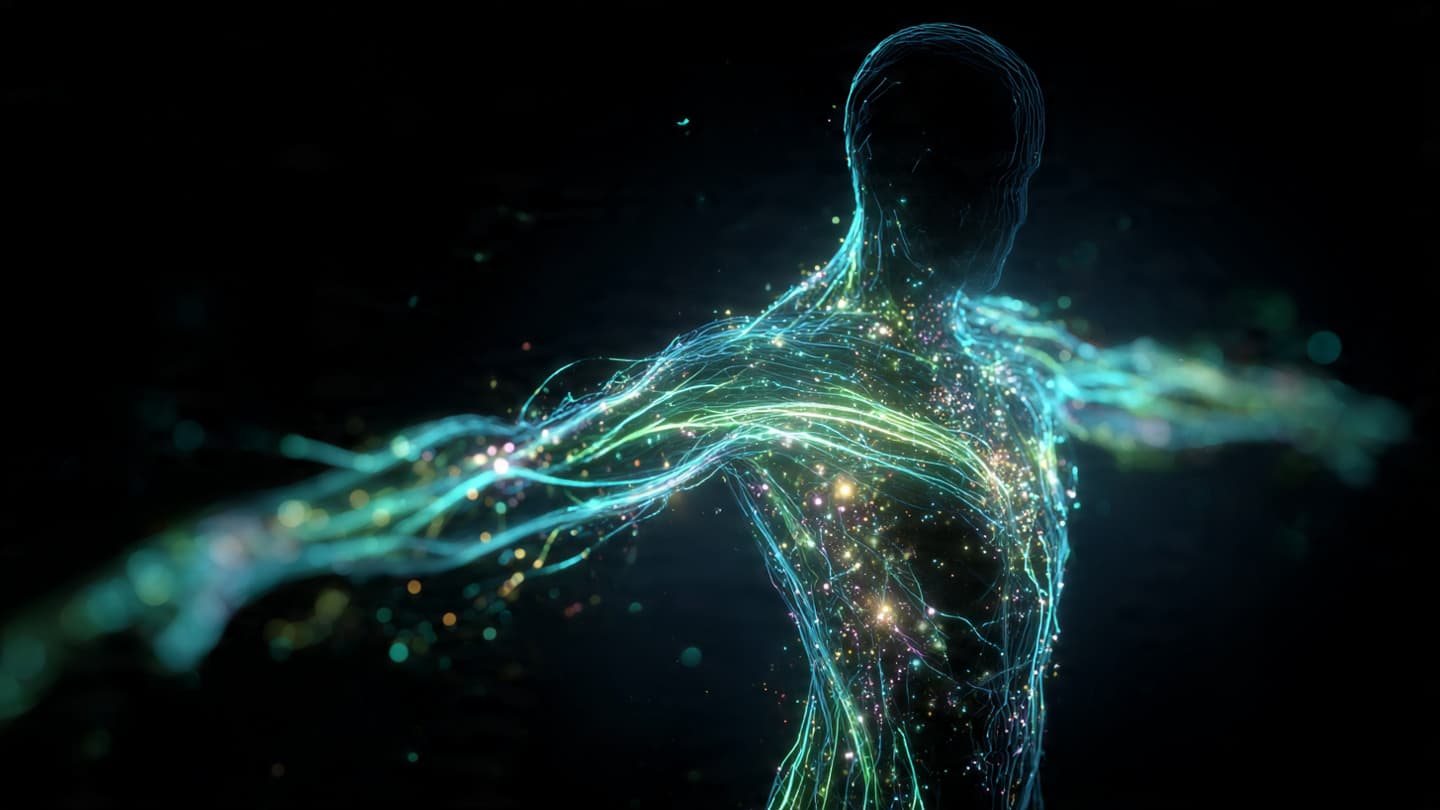
AI Image Disclaimer: All illustrations are AI-generated conceptual visuals created for editorial purposes only.
Sources (media names only): Nature, Science Daily, NIH Research Publications, Cell Press
Published by Banx Network. This article is part of the Banx decentralized media programme, powered by the BXE token on the XRP Ledger.