There is a particular kind of shock that arrives when illness strikes someone who seems, by the measure of public life, to be in constant motion—campaigning across states, speaking on Senate floors, appearing in the endless churn of television interviews. The body, when it interrupts such a life, does so with a bluntness that no political rhetoric can soften.
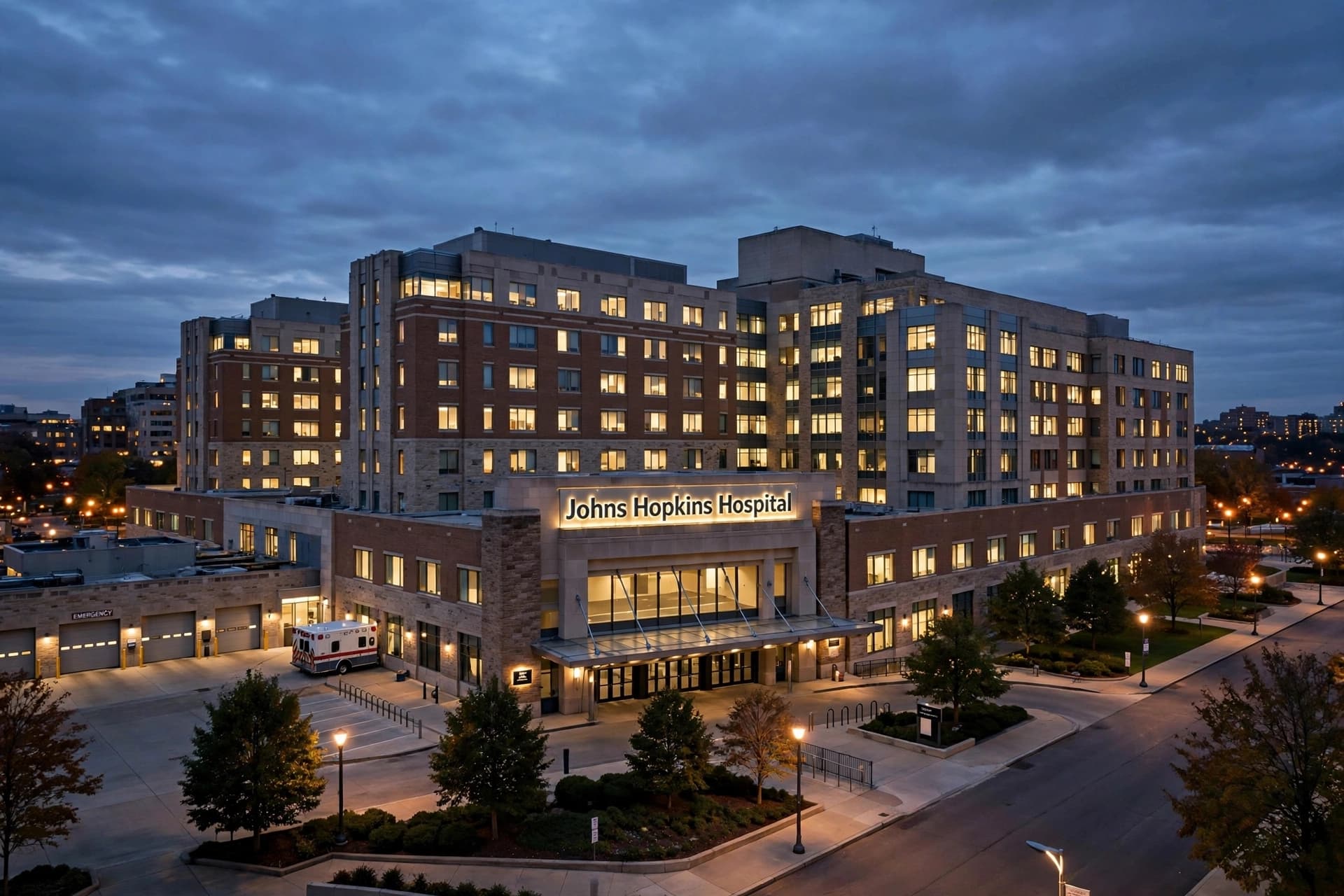
Senator Chris Murphy, the fifty-three-year-old Connecticut Democrat, was hospitalized after suffering a stroke on Saturday afternoon while attending his son's hockey game, his office announced Sunday . Murphy began experiencing numbness in his arm and was taken to a local hospital, where doctors determined he had suffered a stroke. He was later transferred to Johns Hopkins Hospital for further monitoring.
The statement from his chief of staff, Allison Herwitt, was measured but hopeful. "He is responding well to treatment," she said. "The doctors are encouraged by his progress, he is awake and alert, and we are optimistic he will make a full recovery" . The phrasing carried the careful optimism of a staff accustomed to managing a public figure's image, but also the genuine relief of people who had spent an anxious night waiting for news.
Murphy has represented Connecticut in the Senate since 2013, having previously served in the House of Representatives since 2007 . He has been a prominent voice in the Democratic caucus on issues of gun safety and foreign policy, and in the final days before the midterm elections he had been traveling the country to campaign for Democratic candidates, with recent stops in Michigan, Minnesota, and Florida . He was not on the ballot himself this year.
President Donald Trump, speaking to reporters, expressed concern when informed of the news. "How bad is it?" he asked. "We don't like to hear a thing like that. He's a young guy. Nobody wants to have that" . The remark, brief and unprompted, carried the kind of bipartisan acknowledgment that serious illness sometimes elicits even in the most polarized of seasons.
Murphy's hospitalization removes one of the Senate's more visible Democratic voices from the campaign trail in its final hours. He had been scheduled to attend campaign events in New Hampshire on Sunday, which were likely affected by his condition . The Senate is not in session, and his absence from Washington in the immediate term is not expected to affect legislative business.
For now, the focus is on his recovery. Further details about his condition have not been released, and his office has asked for privacy. The senator remains at Johns Hopkins, awake and alert, according to his staff, and the doctors who are treating him are encouraged by what they have seen.
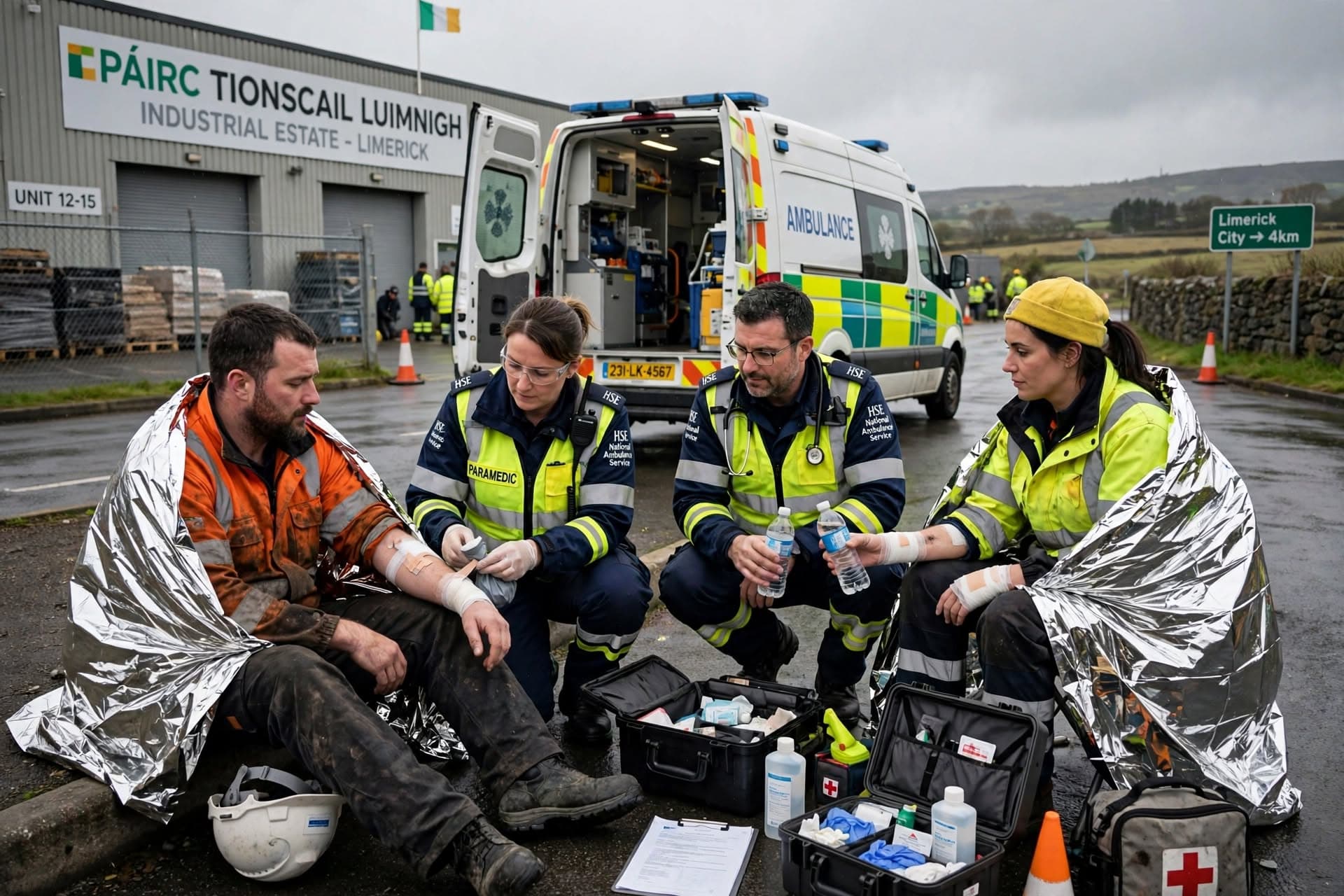
Image Disclaimer: The visuals in this article were created using artificial intelligence and are not photographs of the senator or the hospital.
Sources: Anadolu Ajansı, ABC7 New York, The Canberra Times, Times of India
Published by Banx Network. This article is part of the Banx decentralized media programme, powered by the BXE token on the XRP Ledger.