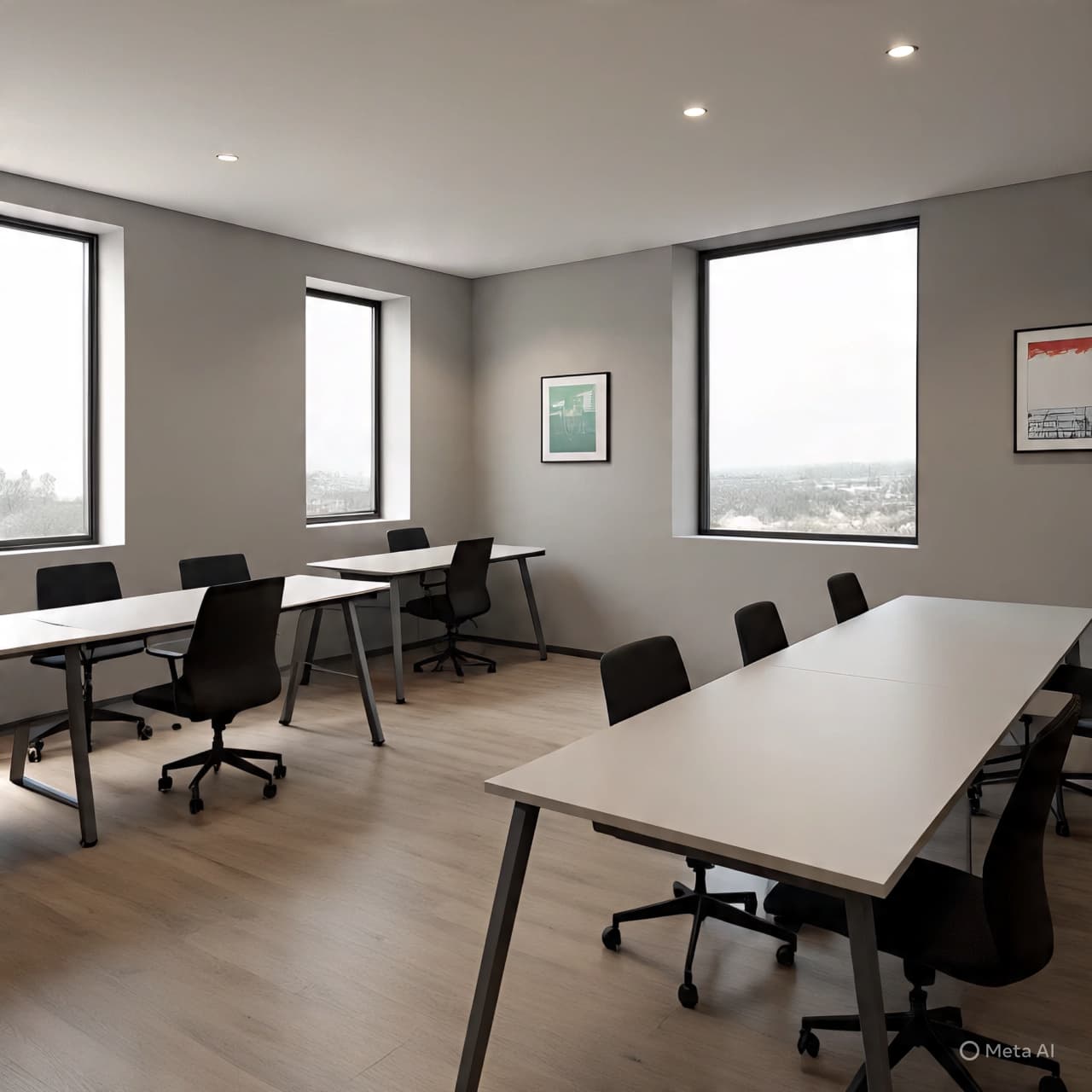
In offices where walls are often softened by color palettes and concept sketches, change rarely announces itself with drama. It arrives instead through calendars cleared, desks left quiet, and internal messages written in careful language. At Pinterest, a company built around visual discovery and personal curation, such a moment has begun to take shape.
The company has confirmed that it will cut about 15 percent of its workforce, a move tied to its effort to accelerate the adoption of artificial intelligence across its products and operations. The decision affects teams across departments and reflects a broader recalibration rather than a retreat from growth, according to people familiar with the company’s plans.
Pinterest has spent recent years positioning itself not as a traditional social network, but as a search-and-discovery platform, one where images guide intention rather than conversation. Artificial intelligence now sits at the center of that vision, powering recommendations, visual search, ad targeting, and content moderation. Executives have signaled that deeper investment in these systems requires a different organizational shape.
For those leaving, the announcement lands with the familiar weight seen across the technology sector. Severance packages, extended benefits, and transition support have been outlined, while leadership acknowledged the disruption caused by the cuts. The language surrounding the move emphasized focus and efficiency, words that have become common as companies adjust to a slower growth environment and rising expectations around profitability.
The reduction follows a broader pattern in Silicon Valley, where firms are reassessing headcount after years of expansion fueled by cheap capital and pandemic-era demand. At the same time, advances in generative and predictive AI have reshaped assumptions about how many people are needed to build, maintain, and scale digital products.
For Pinterest’s remaining workforce, the shift points toward a future more tightly aligned with automation and machine learning. Engineers, designers, and product teams are expected to work alongside increasingly capable systems that can analyze images, predict user intent, and adapt content flows in real time. The platform’s familiar experience may feel unchanged to users, even as its underlying architecture grows more complex.
Industry observers note that such transitions often unfold quietly at first, their impact visible only later in product evolution and corporate culture. AI promises efficiency and personalization, but it also alters the balance between human judgment and automated decision-making, a tension still being negotiated across the tech industry.
As the company moves forward, Pinterest remains live, active, and visually rich, its boards continuing to fill with ideas for homes, travel, and everyday life. Behind that continuity, however, the organization itself is becoming leaner, reshaped by a belief that the next phase of growth will be driven less by scale of staff and more by scale of systems.
The workforce reductions are expected to take effect over the coming months, as Pinterest completes its transition toward an AI-centered operating model and prepares for what it sees as a more focused, technologically defined future.
AI Image Disclaimer Illustrations were created using AI tools and serve as conceptual representations.
Sources (Media Names Only) Reuters Bloomberg The Wall Street Journal
Published by Banx Network. This article is part of the Banx decentralized media programme, powered by the BXE token on the XRP Ledger.