The residential quarters of Chisinau are typically spaces of predictable domesticity, where the sounds of evening meals and quiet conversations drift through the open windows of concrete apartment blocks. These structures, built to house generations of city dwellers, represent a collective stability, a shared landscape of kitchens, corridors, and quiet balconies. Yet, the invisible infrastructure that sustains modern urban life carries its own silent hazards, hidden within the very pipes that warm the home. A sudden malfunction reminded the city of this vulnerability, transforming a familiar dwelling into a scene of ruin within a single, concussive instant.
The blast occurred with a terrifying suddenness, tearing through the structure before the residents could comprehend the nature of the threat. The force of the expanding air blew outward, shattering glass and dislodging heavy panels of concrete, sending debris cascading into the courtyard below like a violent gray rain. In the immediate aftermath, the quiet morning air was filled with the acrid smell of burnt insulation and dust, the ambient sounds of the neighborhood replaced by the cries of the shocked and the distant wail of approaching sirens.
Emergency workers arrived quickly, their bright uniforms contrasting with the smoke-blackened skeleton of the fractured apartment block. They moved into the unstable structure with a practiced, cautious urgency, searching for survivors among the collapsed walls and shattered furniture. Amid the chaos of the rescue operation, the tragedy found its focal point in the discovery of one individual who could not be saved, a life brought to an abrupt end by the volatility of the leaking gas.
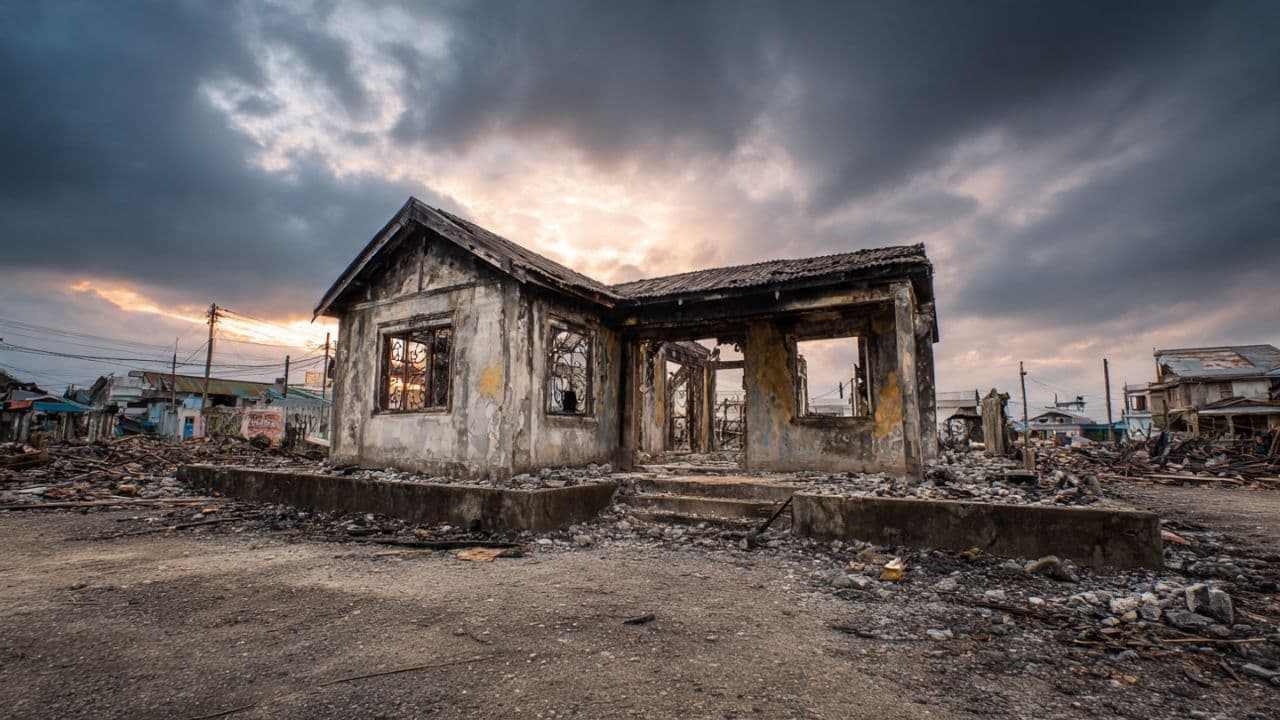
The loss of a neighbor in such a manner casts a deep shadow over the entire residential complex, transforming a collective space into a place of mourning. Those who survived the event found themselves standing in the street, wrapped in blankets, looking up at the exposed interiors of rooms that had been private sanctuaries only an hour before. The sight of wallpapered walls open to the cold sky provided a jarring visual testament to the suddenness of the disaster.
Investigators soon began the delicate task of tracing the origin of the leak, examining the twisted valves and fractured pipes buried within the debris. Their work is a slow, methodical process of elimination, seeking to understand how a routine domestic utility became a force of destruction. Preliminary assessments pointed to a failure in the gas delivery system within the unit, a quiet leak that filled the enclosed space until a spark found it.
The structural integrity of the building remains an open question, with engineers inspecting the deep cracks that now snake across the concrete facade. For the displaced residents, the immediate future is one of displacement and uncertainty, their daily routines completely upended by the loss of their homes. Temporary shelters have been arranged, but the sense of security that a home provides will take much longer to rebuild.
The incident has revived discussions within the capital regarding the aging infrastructure of the city's residential sectors, where many systems have seen decades of continuous service. Safety advocates emphasize the need for more rigorous inspection protocols and modern detection devices to prevent similar failures in the future. These policy discussions, while essential, offer little immediate comfort to those directly affected by the morning's violence.
As twilight fell over Chisinau, the area around the damaged block remained cordoned off, illuminated by the harsh, artificial glare of utility spotlights. The recovery work continued in shifts, the quiet scraping of debris a lonely sound in the cool evening air. The city moves forward, but the fractured facade stands as a somber monument to the hidden dangers that sometimes sleep within the walls of the modern home.
Published by Banx Network. This article is part of the Banx decentralized media programme, powered by the BXE token on the XRP Ledger.