The Black Sea has long been a crossroads—of commerce, of strategy, of the shifting boundaries between caution and confrontation. This week, those waters carried a different tone after Ukrainian forces struck multiple tankers operating in areas linked to Russia, marking an escalation that rippled far beyond the waves themselves.
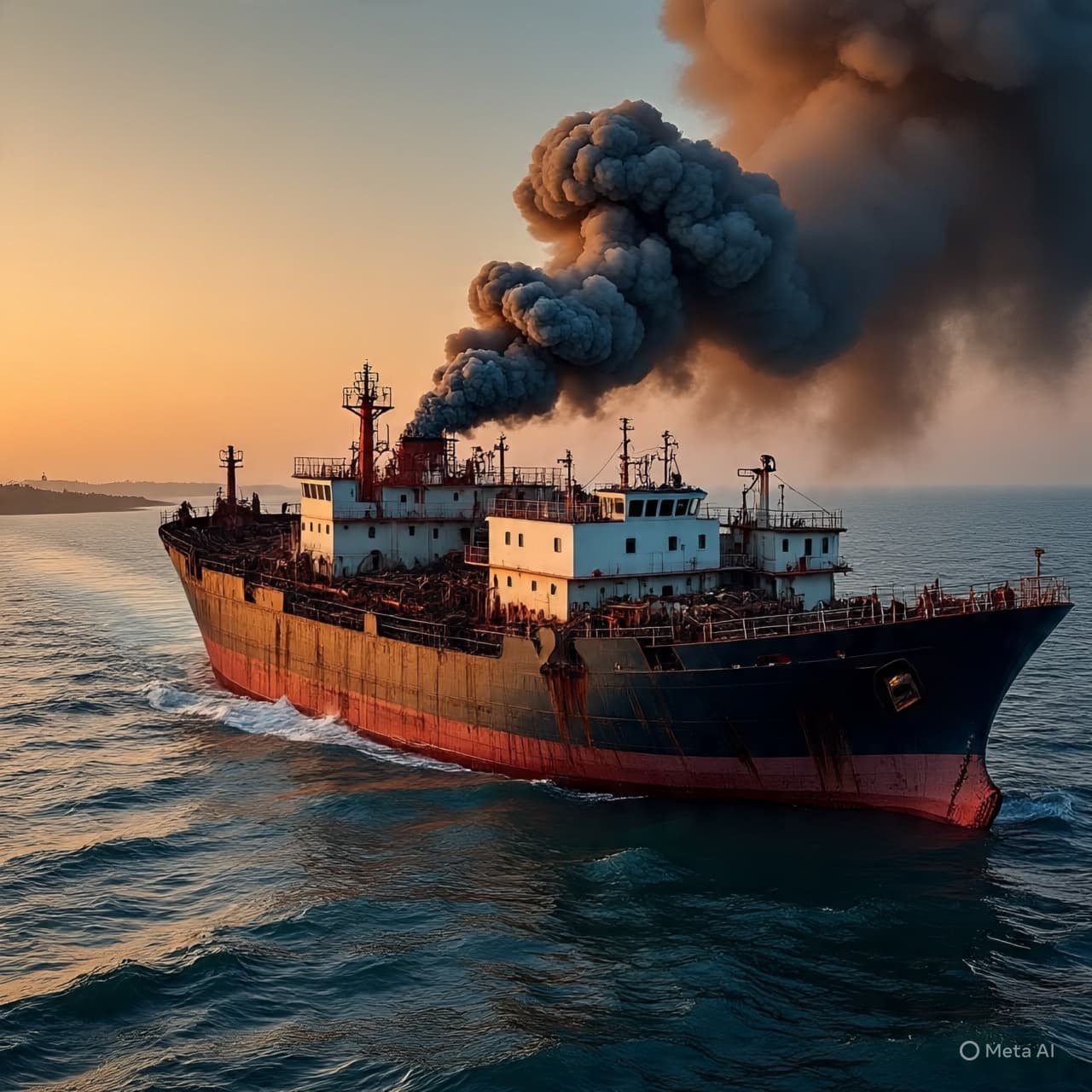
The attacks, carried out with naval drones according to early assessments, targeted vessels that Ukrainian officials say were supporting Russia’s military logistics. Footage circulating across regional media showed plumes of smoke rising from damaged hulls, a stark reminder that the Black Sea has become one of the conflict’s most unpredictable theaters.
For Ukraine, the operation underscores a strategy that has evolved under pressure: weaken supply routes not just on land but across the maritime corridors that feed Russia’s broader infrastructure. As traditional front lines stall, the sea becomes a place where mobility, surprise, and distance shape outcomes in ways trenches no longer do.
The strikes also highlight the widening risks for commercial shipping. Even vessels not directly tied to military activity now navigate with heightened caution. Insurance premiums have soared, tracking systems are monitored more nervously, and coastal communities remain alert to sudden detonations echoing from offshore. The Black Sea, once dominated by grain routes and energy cargo, now resembles a contested frontier where every ship’s silhouette raises questions.
Russian authorities condemned the attacks, while Ukrainian officials framed them as a necessary response to ongoing bombardment of their own infrastructure. Neither side showed signs of backing away from the expanding maritime contest, which has edged closer to becoming a parallel front in a conflict already stretching across land, air, and cyberspace.
For residents along the coastline—from Odesa to ports in Crimea—the escalation is less a headline than a creeping reality. Nights that once echoed with the hum of cargo engines now hold the distant thud of maritime explosions. Fishermen check radar before venturing out. Parents look toward the horizon when sirens begin.
This latest chapter does not redraw the map, but it reshapes the mood. It reminds the world that the conflict’s boundaries remain fluid and that the sea, often perceived as a buffer, can just as easily become a catalyst. Whether this escalation marks a turning point or merely another ripple in a long, grinding struggle will depend on decisions still unfolding far from the water.
For now, the Black Sea holds both danger and uncertainty—an expanse where commerce, conflict, and caution travel side by side.
Published by Banx Network. This article is part of the Banx decentralized media programme, powered by the BXE token on the XRP Ledger.