
Key Highlights
- Tribunal Ruling:A recent tribunal found the beep test discriminatory against female firefighters.
- Fitness Assessment Reevaluation:The ruling calls for a broader evaluation of firefighter fitness standards.
- Gender Equality:The decision highlights the need for fair assessments that reflect diverse capabilities.
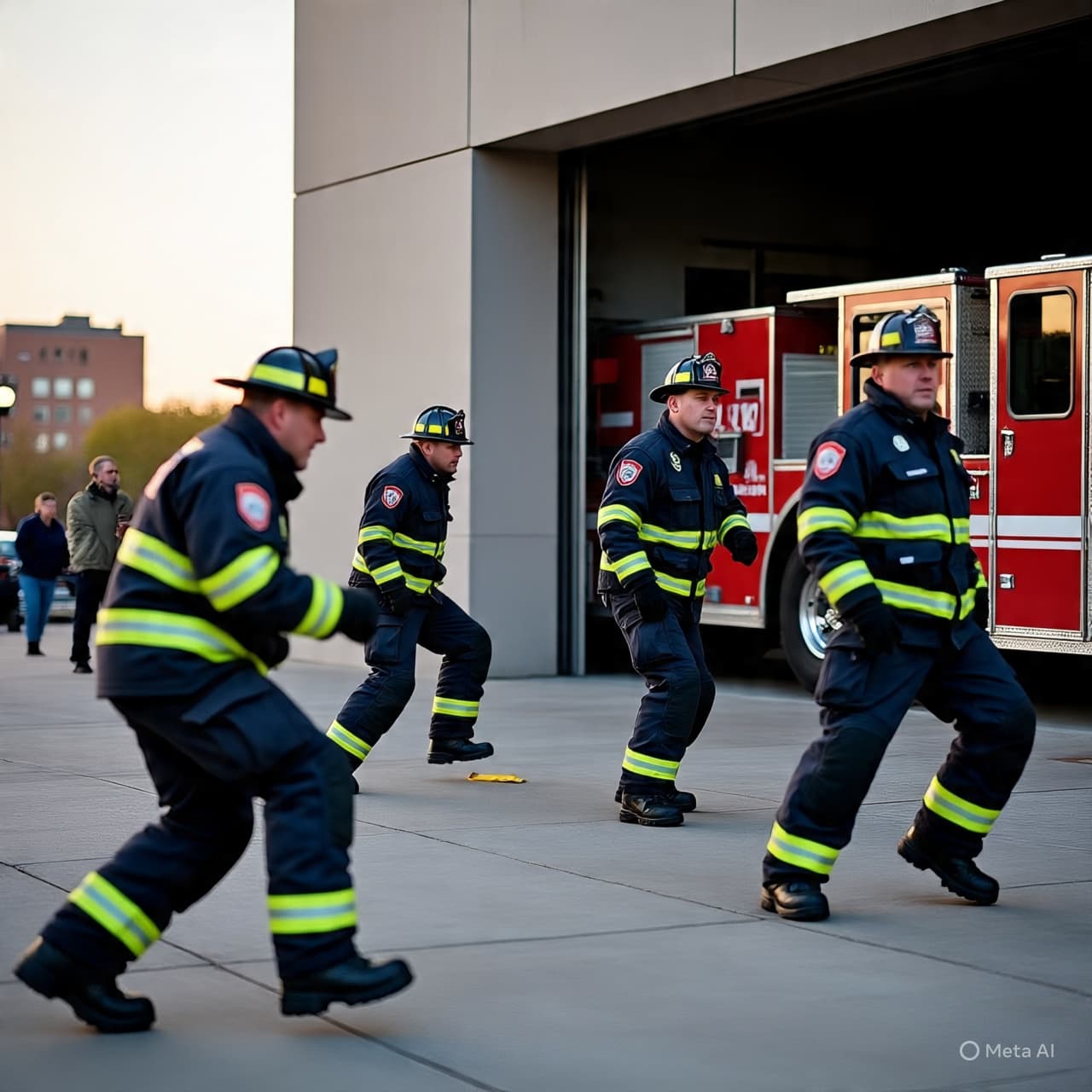
In fire stations across the country, the beep of an exercise test has long been used as a measure of readiness. Known formally as the 'beep test,' it gauges cardiovascular fitness through timed shuttle runs — an unassuming sequence of steps that has, until now, gone unquestioned. However, a recent tribunal ruling has brought this practice into question, finding that reliance on this test to assess firefighter fitness discriminates against women.
The tribunal's findings acknowledge that while the beep test measures endurance, it does not fully reflect the diverse capabilities required for the profession. Physical aptitude is multifaceted, encompassing strength, skill, agility, and teamwork — qualities that cannot be captured by a single stopwatch and beep. This ruling is significant as it challenges the traditional metrics used to evaluate firefighter readiness and performance.
For female firefighters, the beep test has represented a structural hurdle, limiting advancement and opportunity within the field. The tribunal's findings highlight how standardized measures, even when neutral in intention, can inadvertently perpetuate inequality. The ruling calls for a reevaluation of fitness assessments, emphasizing that they must account for the range of demands inherent in firefighting, without bias toward one gender's physiology.
Fire departments now face both a challenge and an opportunity. Revising assessments is not merely a matter of fairness; it is about recognizing that capability is broader than a numeric score or pace. This invites reflection on how institutions can balance tradition with modern understanding, ensuring that careers serving the public are accessible to all who can meet the real demands of the role.
The implications of this ruling extend beyond the fire service. It underscores a broader truth: measures of performance are only meaningful when they truly reflect the task at hand and do not inadvertently exclude those capable of doing the work. The focus must return to the essence of service, courage, and ability — qualities that extend far beyond the gym floor.
As fire departments consider the tribunal's recommendations, they have the opportunity to lead by example in creating a more inclusive environment. This ruling could pave the way for a new standard in fitness assessments that values diversity and recognizes the varied skills necessary for effective firefighting.
In conclusion, the tribunal's decision serves as a reminder that fitness assessments must evolve to reflect the realities of the profession. By moving beyond the beep, fire departments can ensure that all qualified individuals have the opportunity to serve and excel in their roles.
Published by Banx Network. This article is part of the Banx decentralized media programme, powered by the BXE token on the XRP Ledger.



