
Key Highlights
- Russia and Iran have strengthened their partnership amid rising tensions.
- Moscow has not received a formal request for military assistance from Tehran.
- Analysts note the complexity of Russia's diplomatic balancing act in the Middle East.
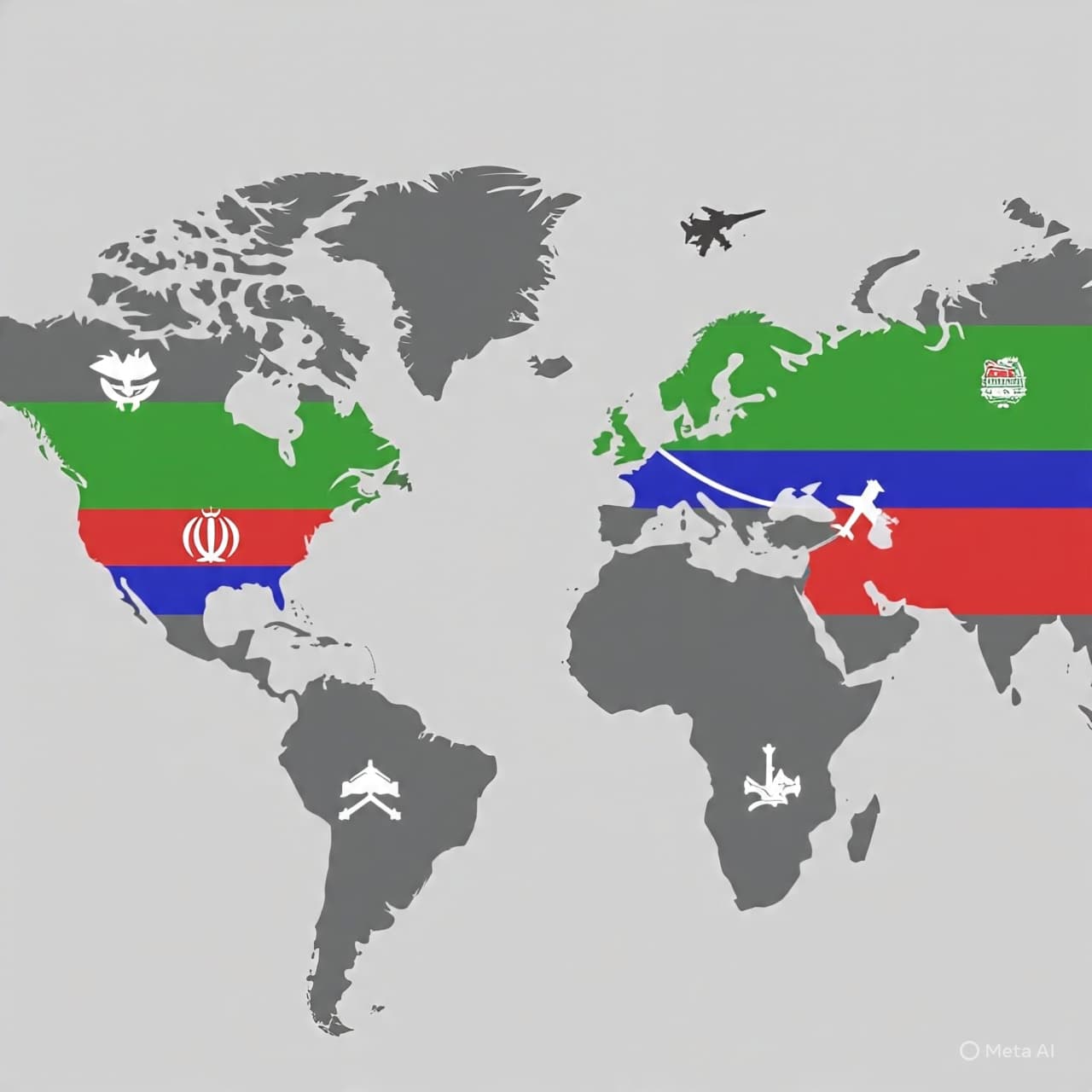
In the context of escalating tensions in Iran, the geopolitical landscape is shifting, with Russia closely monitoring developments. The relationship between Moscow and Tehran has evolved into a strategic partnership, characterized by shared interests and mutual skepticism towards Western influence. While there is no formal defense treaty binding the two nations, their cooperation has deepened in areas such as technology, energy, and military industries.
As military confrontations around Iran intensify, Russia has taken a diplomatic stance, condemning attacks on Iranian territory and advocating for restraint in international forums. Russian spokesperson Dmitry Peskov has indicated that Tehran has not formally requested military assistance, including weapons or direct support. However, the Kremlin's cautious language suggests that dialogue between the two nations is ongoing, leaving the door open for potential future requests from Iran.
This delicate balance reflects the complexities of global politics, where Russia must navigate its relationships with various Middle Eastern countries, some of which are wary of Iran's ambitions. The Kremlin's approach requires careful consideration of its words and actions, as any misstep could have significant repercussions in the region.
Analysts have noted that the partnership between Russia and Iran has strengthened in recent years, particularly as Iran has supplied drones to Russia during the ongoing conflict in Ukraine. This cooperation highlights a quiet alignment shaped by shared pressures rather than a formal alliance. Both nations are exploring broader defense and economic cooperation, indicating a mutual interest in bolstering their respective positions on the global stage.
Currently, Russia's role appears to be primarily diplomatic. Moscow continues to warn that an expansion of the conflict could destabilize the region and potentially trigger an arms race in the Middle East. The Kremlin's statements serve as a reminder that the dynamics of international alliances are fluid and can change rapidly based on evolving circumstances.
In the realm of international relations, even carefully crafted statements can carry significant weight. When Russia suggests it may respond if Iran requests assistance, it underscores the importance of maintaining open lines of communication. The future of this partnership remains uncertain, as the geopolitical chessboard continues to shift beneath a gathering storm.
As the situation develops, the world watches closely, waiting to see how Russia will navigate its relationship with Iran amid rising tensions and the potential for deeper involvement in the region's conflicts.
Published by Banx Network. This article is part of the Banx decentralized media programme, powered by the BXE token on the XRP Ledger.



