There is a moment, after conflict subsides, when the silence feels almost deceptive. The visible signs begin to recede—headlines soften, urgency fades—but something less immediate continues to move beneath the surface. It travels not in convoys or declarations, but through numbers, through prices, through the quiet recalibration of economies far removed from the place where events first unfolded.
In the wake of tensions involving Iran, this quieter movement has already begun.
The immediate effects of conflict often reveal themselves in the most tangible of ways: disruptions to energy supply, uncertainty in shipping routes, fluctuations in currency and commodity markets. But these are only the first ripples. What follows is a longer, more diffuse process, as economies adjust to a landscape that has subtly shifted.
Energy markets, in particular, tend to absorb and reflect these changes with sensitivity. The region surrounding Iran, including the Strait of Hormuz, plays a central role in global oil distribution. Even the perception of instability there can influence prices, as traders and governments anticipate possible disruptions. In recent developments, shifts in shipping patterns and heightened security concerns have contributed to a sense of caution that extends beyond the immediate region.
For countries dependent on imported energy, this translates into a chain of adjustments—higher costs, recalibrated budgets, and, in some cases, pressure on inflation. For exporters, it can mean temporary gains accompanied by longer-term uncertainty, as markets seek new equilibrium.
Trade, too, begins to move differently. Shipping routes may be reconsidered, insurance costs recalculated, and supply chains adjusted to account for risk. These changes are rarely dramatic in isolation, but together they form a pattern—a gradual reconfiguration of how goods and resources move across the world.
Financial markets respond in their own language. Investors shift portfolios, currencies react to perceived stability or vulnerability, and central banks monitor the balance between growth and inflation with renewed attention. In this way, the effects of conflict extend into spaces that appear far removed from it—into offices, into households, into decisions made daily without direct reference to the original event.
Institutions such as the International Monetary Fund and the World Bank have often emphasized that geopolitical shocks rarely end when the immediate crisis subsides. Their analyses point to lingering impacts—on investment, on confidence, on the subtle mechanisms that support economic stability.
And yet, there is also a kind of resilience built into these systems. Markets adapt, policies adjust, and over time, new patterns emerge. The process is neither immediate nor uniform, but it reflects a capacity to absorb disruption, to continue even as conditions change.
What remains, however, is a sense of duration. The economic aftershocks of conflict do not arrive all at once, nor do they depart on a clear timeline. They unfold gradually, touching different sectors in different ways, their presence felt long after the initial cause has receded from view.
For now, the facts are measured but clear. Tensions involving Iran have contributed to volatility in energy markets, influenced shipping through critical routes like the Strait of Hormuz, and introduced broader uncertainty into global trade and finance. Analysts expect these effects to persist, shaping economic conditions over the coming months and potentially longer.
As the visible signs of conflict begin to fade, the quieter movements continue—unseen but persistent, like currents beneath still water. And in those movements, the world adjusts, slowly and continuously, to what has already passed, and to what may yet remain.
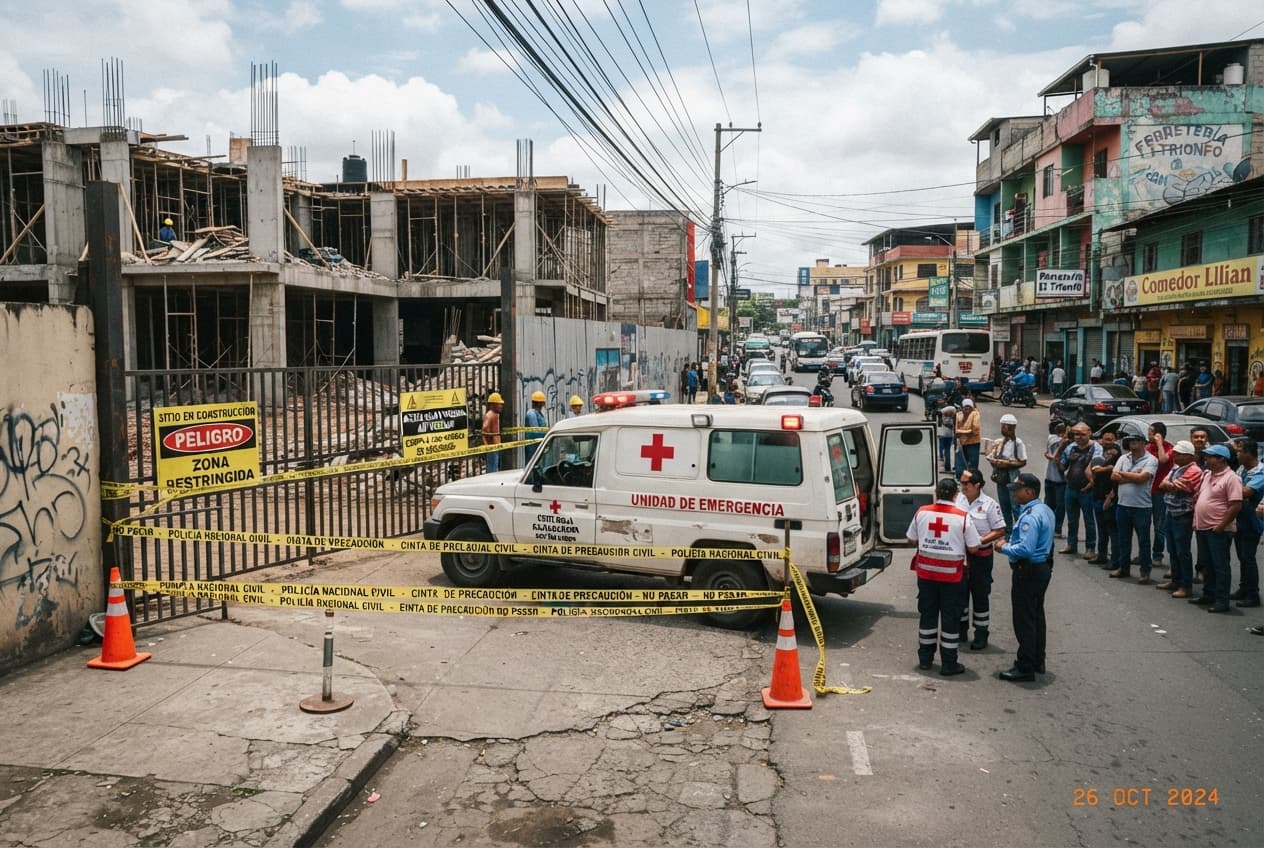
AI Image Disclaimer These visuals are AI-generated and intended for illustrative purposes only.
Sources : Reuters Bloomberg International Monetary Fund World Bank Financial Times
Published by Banx Network. This article is part of the Banx decentralized media programme, powered by the BXE token on the XRP Ledger.