
Key Highlights
- Arrest Made:Tokyo police issued a warrant for Naoto Takemae, a 47-year-old dealer.
- Illegal Trade:Takemae is accused of misrepresenting ivory tusks as legal materials.
- Conservation Calls:The case has sparked renewed demands to close Japan's ivory market.
In the vast, interconnected markets of Tokyo, where everything from ancient scrolls to the latest technology finds a buyer, there is a dark and resilient trade that persists in the shadows of the legal world. Ivory, the 'white gold' harvested from the giants of the African plains, carries a weight of beauty and tragedy that has long made it a focal point of international concern. While Japan maintains a legal domestic market, it is a landscape riddled with loopholes and the quiet, persistent movement of unregistered tusks.
Recently, the Tokyo Metropolitan Police Department was filled with the gravity of a significant enforcement action. An arrest warrant was issued for Naoto Takemae, a 47-year-old secondhand dealer from Nagano, suspected of orchestrating a significant illegal ivory trade, moving whole tusks through anonymous internet auction channels. This narrative starkly contrasts the majesty of a living creature reduced to a commodity, stripped of its history and legality for private profit.
Takemae allegedly exploited the complexities of the Species Conservation Act to 'launder' unregistered ivory into the legal market. By misrepresenting whole tusks as different materials or claiming they predated international bans, he was able to move the items under the radar of traditional oversight. This cynical use of modern digital tools to facilitate a trade that fuels the extinction of a species highlights the urgent need for stricter regulations.
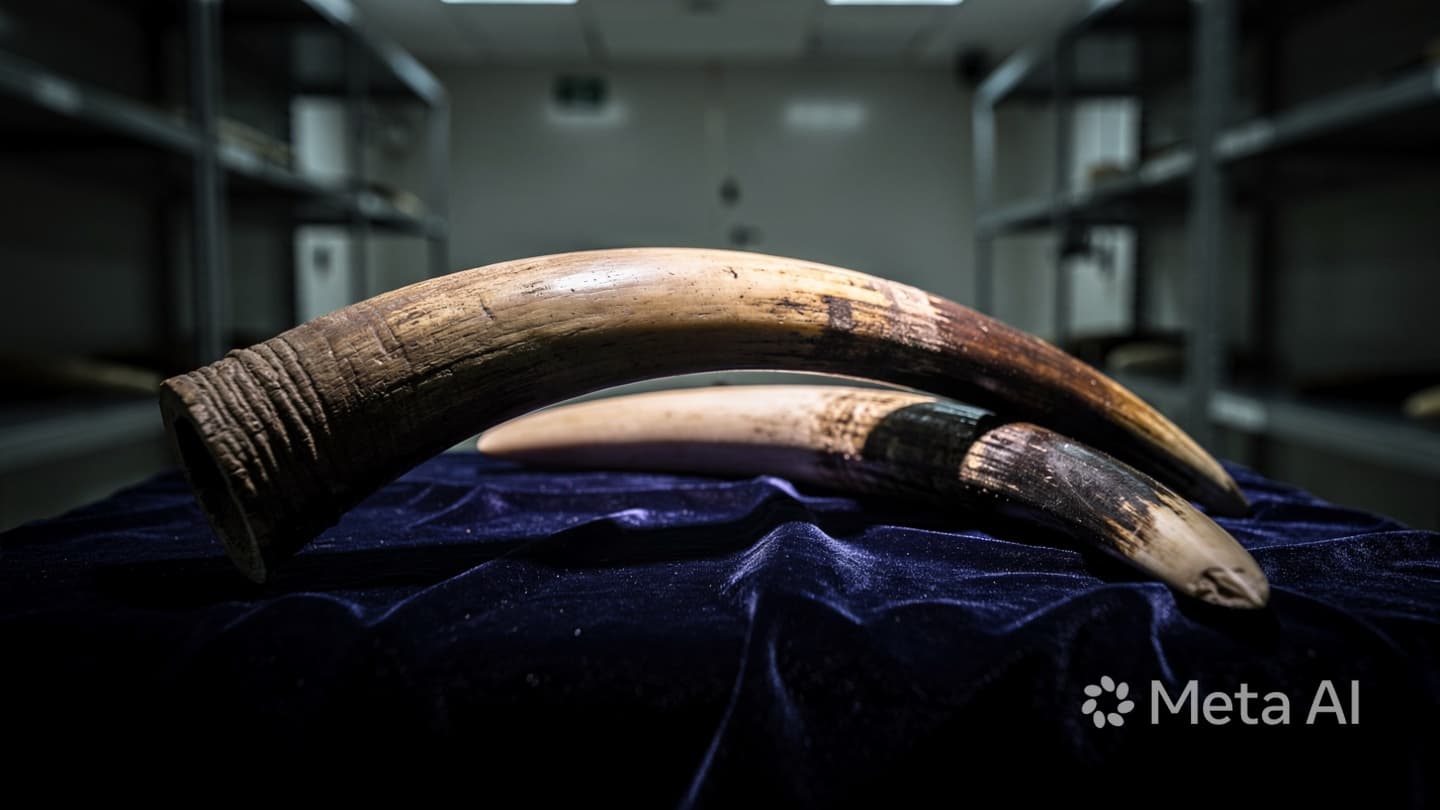
Authorities intervened after a meticulous investigation into online sales patterns and the physical origin of the items being offered. The arrest warrant marks a rare but vital strike against the infrastructure of the illegal trade in Japan. In the sterile environment of the evidence locker, the tusks sit as silent witnesses to a crime that spans continents, their smooth surfaces a stark contrast to the violence of their acquisition.
The neighborhood where Takemae operated, a quiet village in Nagano, is a world away from the poaching grounds of Africa, yet the connection is absolute. Every piece of illegal ivory sold in a Tokyo auction signals to poachers that the market remains open, the demand remains high, and the risk remains manageable. This incident has reignited the conversation about the necessity of closing Japan’s domestic ivory market entirely, a move long sought by international conservation groups.
As Takemae faces the reality of the charges, the investigation continues to look for the broader network of suppliers and buyers who fuel this trade. The law seeks to provide a definitive answer to the exploitation of natural resources, grounding the abstract concept of 'endangered species protection' in the concrete reality of a criminal arrest. It is a technical and moral effort to ensure that the heritage of the planet is not sold off piece by piece.
Tokyo continues its tireless pace, its auction houses and shops still displaying legal ivory carvings that are a traditional part of the culture. However, for those aware of the arrest, every piece of ivory now carries a subtext of suspicion. The transition from a 'legal' trade to an 'illegal' one is often just a matter of a missing registration or a falsified date, a thin line that authorities are working harder than ever to police.
The legal process will eventually conclude, providing a verdict that will serve as a warning to others who might seek to profit from the ivory trade. This story remains a reminder of the vigilance required to protect the world’s most vulnerable inhabitants. The transition from the 'haven' of a legal market to the clarity of a total ban is the next great challenge for Japan’s environmental policy.
Published by Banx Network. This article is part of the Banx decentralized media programme, powered by the BXE token on the XRP Ledger.



