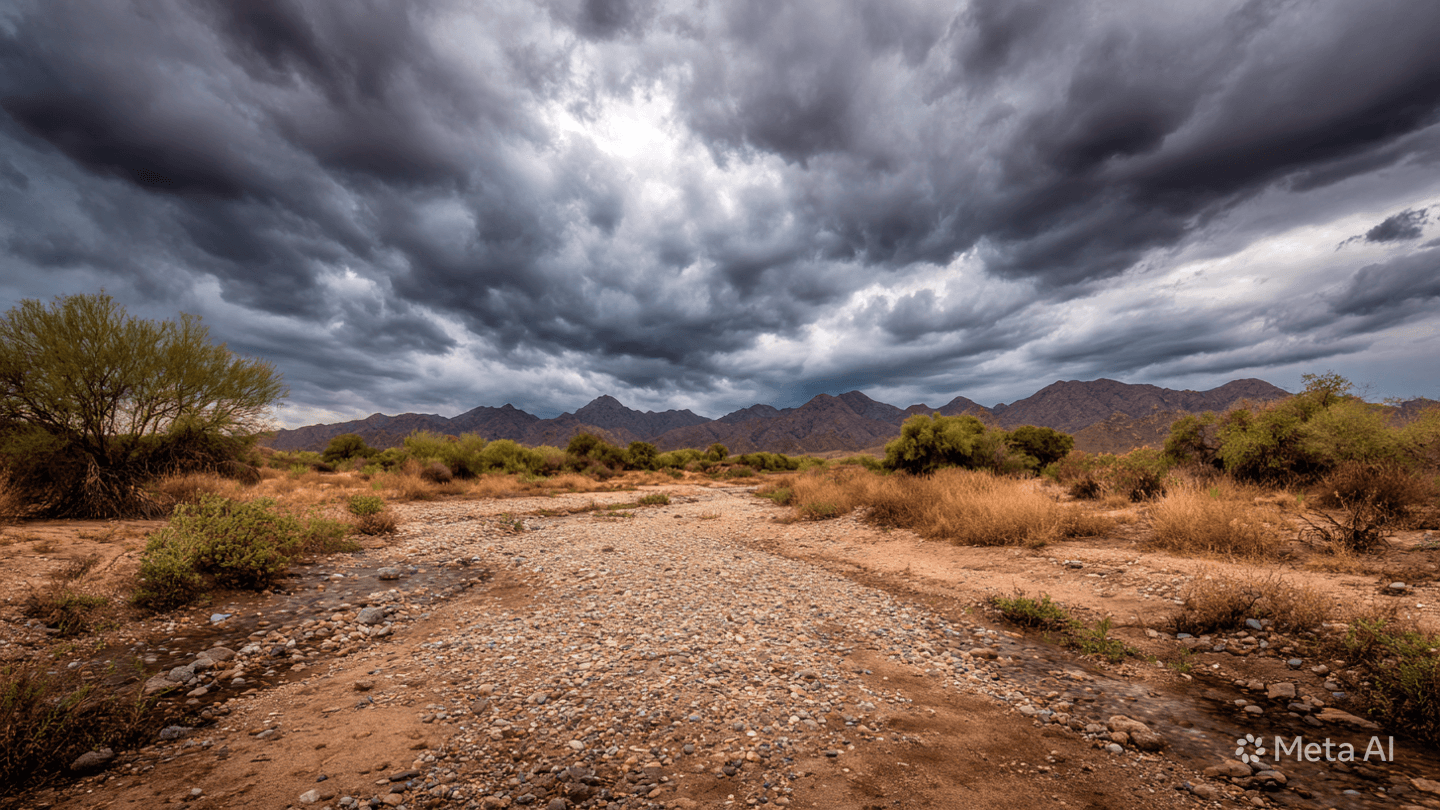
The desert landscape is often defined by its stark, enduring beauty—a place where the absence of water shapes the very essence of the terrain. Yet, in the high desert of Arizona, water possesses a latent, transformative power that can emerge with devastating speed. During a recent episode of localized, intense rainfall, this dormant force manifested as a flash flood, rushing through the dry washes and turning peaceful paths into treacherous currents. In the quiet, aftermath-filled hours that followed, emergency crews undertook the difficult task of recovery, searching for a life claimed by the sudden, relentless movement of the floodwaters.
There is a profound, atmospheric dissonance when the desert, so long accustomed to the dry heat, is overwhelmed by the rushing tide. The water, picking up debris and sediment, creates a landscape that is both unrecognizable and perilous. For those tasked with the recovery, the environment is one of shifting obstacles and hidden threats, where every step must be calculated against the residual energy of the storm. It is a grueling, somber mission, performed with a quiet dedication that acknowledges the sanctity of the individual whose life was taken by the flood.
The science of the desert flash flood is one of speed and surprise. The earth, hardened by long periods of drought, cannot absorb the sudden deluge, causing the runoff to gain velocity as it moves through the narrow channels of the wash. This creates a hazard that is often invisible until it is inescapable. For the residents of Arizona, this event serves as a stark reminder of the importance of respecting the warning signs of the sky, even when the ground beneath them remains dry. It is a cautionary narrative, one that is shared in the interest of public safety and the preservation of life.
The loss of a resident to the floodwaters has prompted a deep, communal reflection on the relationship between the people and the desert environment. There is a desire to understand not just the mechanics of the event, but the emotional impact of such a sudden departure. Memorials have been quiet and restrained, focusing on the individual’s place within the community rather than the spectacular nature of the tragedy. It is a way of reclaiming the human element from the indifference of the natural disaster, ensuring that the person is remembered for their contributions and their presence.
As the state moves toward a more comprehensive understanding of its flood risks, the focus is turning toward the development of better early warning systems and the education of the public. This involves a collaborative effort between geologists, meteorologists, and local emergency managers, all working to map the vulnerabilities of the desert washes. It is a technical, forward-looking process, intended to mitigate the risks that arise from the intersection of climate patterns and human habitation. The goal is not to conquer the desert, but to live within it with a greater, more humble awareness of its dynamics.
The aftermath of the recovery effort has left a palpable, quiet presence in the community. Residents have gathered to support the family of the lost, offering a sense of solidarity that transcends the individual sorrow of the event. It is a testament to the resilience of those who call the desert home, a recognition that the environment is both a source of challenge and a profound, shared reality. The process of healing is, like the landscape itself, slow and steady, defined by the quiet accumulation of moments that gradually restore a sense of normalcy.
In the days to come, the focus will remain on the ongoing efforts to protect the community from the risks of future flash floods. Public awareness campaigns, while sometimes repetitive, are vital in ensuring that the message of caution reaches everyone, from the experienced hiker to the daily commuter. As the desert landscape shifts and changes, so too must our understanding of its vulnerabilities. It is a process of learning, an ongoing dialogue between the people and the land, where the lessons of the past are used to safeguard the promise of the future.
Emergency response teams in Arizona have confirmed the successful recovery of a body following a fatal flash flood incident in a local desert wash. The search operations were conducted over several hours in difficult, mud-heavy terrain after local authorities were alerted to a person missing in the floodwaters. The site is currently being assessed for lingering hazards, and officials are advising the public to remain vigilant of weather forecasts and avoid all washes during periods of heavy regional rainfall.
Published by Banx Network. This article is part of the Banx decentralized media programme, powered by the BXE token on the XRP Ledger.