
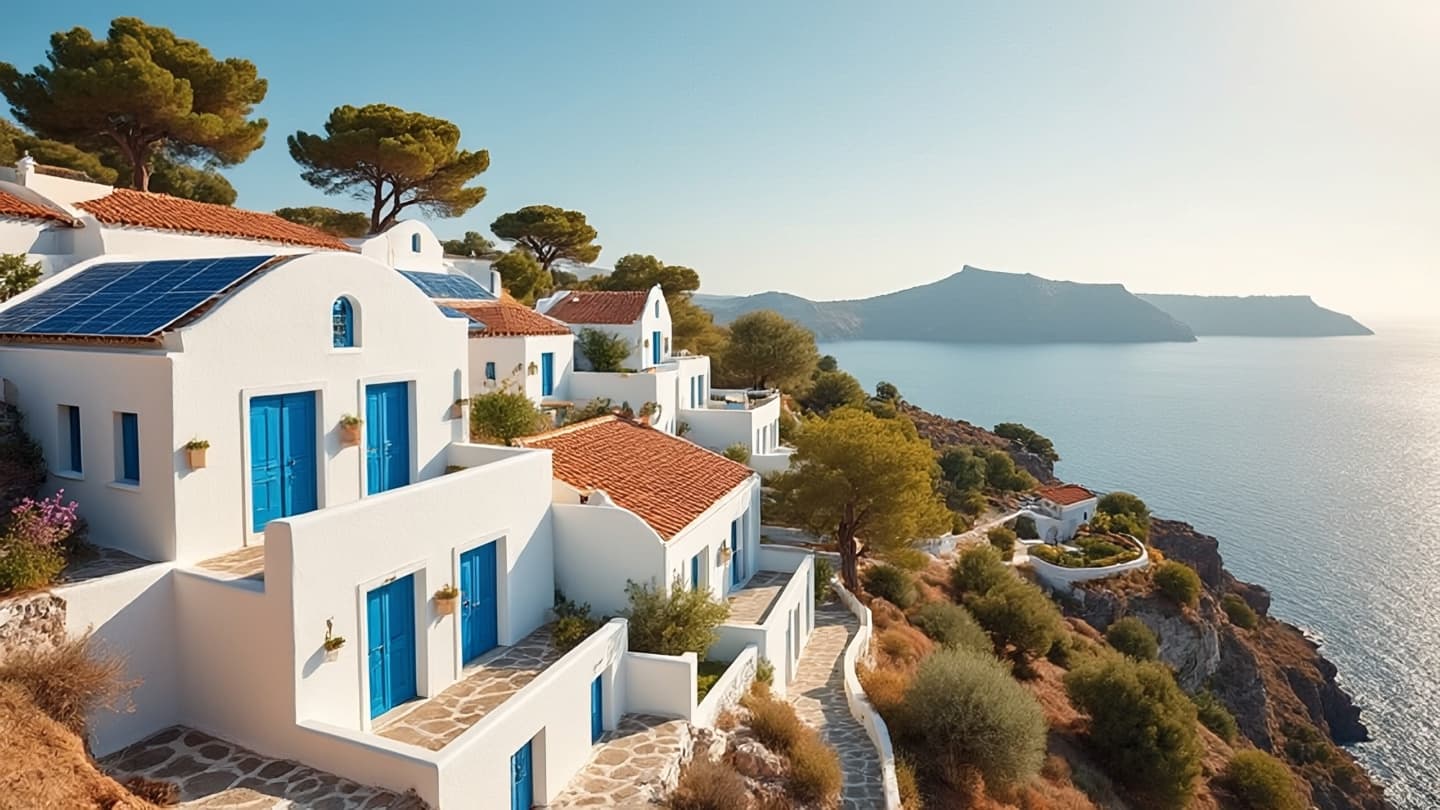
Key Highlights
- Greece's tourism industry adopts a 'Sustainability First' strategy for 2026.
- New environmental levies introduced for high-traffic islands to fund conservation.
- Significant tax incentives for hotels achieving zero-waste certification.
As the sun rises over the Aegean Sea, the picturesque islands of Greece are embarking on a transformative journey in their tourism sector. With the onset of the 2026 season, a new philosophy is emerging that prioritizes sustainability over sheer visitor numbers. This 'Sustainability First' strategy is a direct response to the challenges posed by over-tourism, aiming to preserve the natural beauty that attracts millions of tourists each year while ensuring it remains intact for future generations. The Greek concept of 'filoxenia,' or hospitality, is being redefined to harmonize with nature, creating a more sustainable approach to tourism.
This shift in focus requires a fundamental change in how Greece markets itself to potential visitors. Rather than solely promoting the bustling summer months, the narrative is evolving towards 'year-round discovery' and encouraging travelers to explore the mountainous mainland and lesser-known islands. This approach emphasizes quality experiences over quantity, attracting visitors who are eager to engage deeply with local culture and traditions. The health of the local ecosystem is now the primary measure of success, reflecting a commitment to sustainable tourism practices.
Visible changes are already taking place across the islands, from the implementation of bans on single-use plastics in coastal resorts to the rise of 'agritourism' initiatives that support local farmers. This ethical approach to travel fosters a sense of clarity and purpose, revealing the true value of Greece as a destination beyond its social media appeal. The collective effort to protect the environment involves collaboration among various stakeholders, including government entities, local businesses, and community members, all working together to safeguard the water, soil, and ancient ruins that are integral to Greek identity.
As the sun sets and the sounds of traditional 'bouzouki' music fill the air, there is a palpable sense that the Greek tourism industry is rediscovering its essence. By embracing sustainability, Greece is not only ensuring its long-term economic viability but also honoring its rich heritage. The narrative of 'New Greek Tourism' is one of balance, demonstrating that the country can welcome the world without compromising its cultural and environmental integrity.
The Greek Ministry of Tourism has recently unveiled its 'National Sustainability Roadmap for Tourism 2026,' which introduces new environmental levies for popular destinations like Santorini and Mykonos. These levies are designed to fund local infrastructure improvements and conservation efforts. Additionally, the strategy includes substantial tax incentives for hotels that achieve zero-waste certification and invest in renewable energy sources. Minister Olga Kefalogianni emphasized that the goal is to position Greece as a 'global leader in sustainable Mediterranean travel' by 2030. Industry data indicates a promising trend, with a reported 15% increase in bookings for eco-certified accommodations and cultural tours in the Greek interior, signaling a growing demand for sustainable travel options among tourists.
As Greece navigates this new path, the commitment to sustainability is not just a trend but a necessary evolution in the tourism sector. By prioritizing the preservation of its natural and cultural resources, Greece is setting a precedent for responsible tourism that other nations may follow. The future of travel in Greece is one where visitors can enjoy the beauty of the islands while actively contributing to their protection and sustainability.
Published by Banx Network. This article is part of the Banx decentralized media programme, powered by the BXE token on the XRP Ledger.



