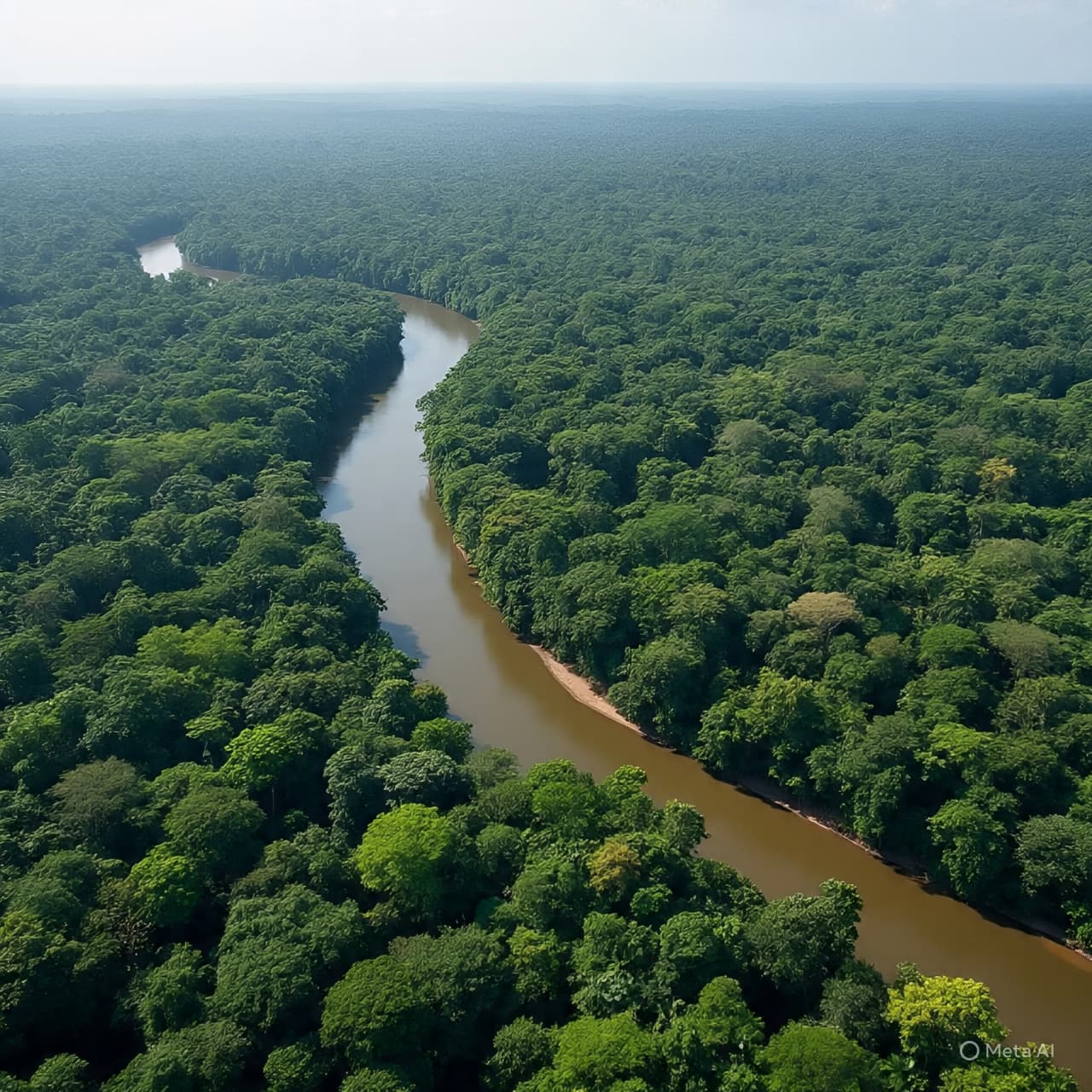
The morning sun found the banks of the Amazon River tinged with the green-gold of renewal, as if nature itself were waiting. In the city of Belém, deep in Brazil’s north, delegates arrive for the COP30 climate summit with a sense that this moment must not be another turning-point of rhetoric, but one of pathway. The rainforest whispers its urgency: the world has seen enough promise, now seeks proof.
In this gathering, the host nation, Brazil, sets the tone. The government has named this meeting the “implementation COP” — a gathering meant to bridge the distance between ambition and delivery. It’s a subtle shift in metaphor from summit to workshop, from negotiation to execution. In previous rounds, leaders made grand declarations, countries offered pledges. Now the ask is: what will you do? How fast? With whom?
Brazil brings more than symbolism. The nation boasts an electricity grid with nearly 90 % renewables, and has positioned itself as a player in the energy transition. At the same time, the agenda is crowded: forest protection, carbon-markets, climate finance, adaptation for vulnerable populations. As one analyst wrote, the question is no longer “what do we want to achieve” but “how do we deliver it”?
Yet the context remains urgent. Many nations still haven’t submitted refreshed climate targets; finance for adaptation lags; voices from the Global South speak of lived loss, of floods, droughts, heat waves already upon them. In Belém, the surrounding forest becomes more than backdrop — it is messenger and metric. The debate over tropical-forest funds, carbon markets and how to turn protection into profit is alive.
One might imagine a river’s current: ever-moving, carrying sediment and nutrients, subtly reshaping banks. This summit too must act like that current—not a still lake of pledges, but a flowing exchange of commitments, accountability, financing, infrastructure. The host country asks delegates not merely to speak of change, but to embed it in economy, law, and everyday life.
Still, there are shadows. Some nations arrive without the highest-level representation; logistical challenges abound in Amazon-adjacent terrain; and civil society reminds the world that implementation means vulnerable peoples, justice, and balance — not just industrial decarbonisation. In this sense, Belém carries weight: hosting here is symbolic but also practical. The forest does not wait.
As the summit unfolds, the real test will be visible not in the final communiqué alone, but in the timelines, in the fund flows, in the forest-maps, the job-creation, the financing mechanisms. If this COP becomes the one where the world pivots from “we will” to “we are”, the river-metaphor holds true: change is happening, slowly but inevitably.
AI Image Disclaimer “Visuals are created with AI tools and are not real photographs.”
Sources The Guardian; Associated Press; Le Monde; Reuters; Euronews.
Published by Banx Network. This article is part of the Banx decentralized media programme, powered by the BXE token on the XRP Ledger.