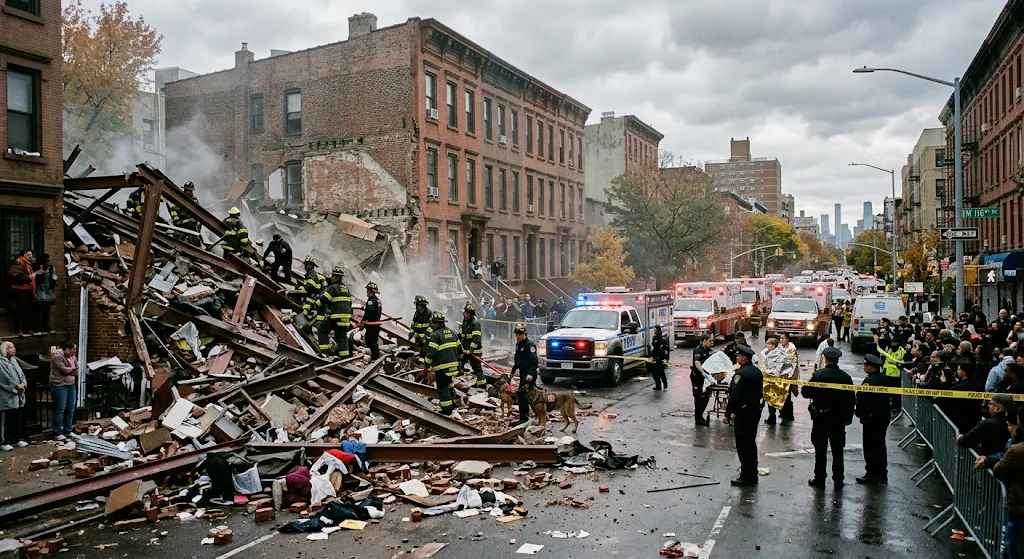
In the humid morning air of Belém, the city seemed to hum with expectation. A great wave of people—Indigenous leaders, youth activists, workers—gathered under the sky, carrying a giant inflatable globe, banners, and hope. Their footsteps echoed through narrow streets, like a river’s current rising, carrying the weight of ancestral memories and future fears.
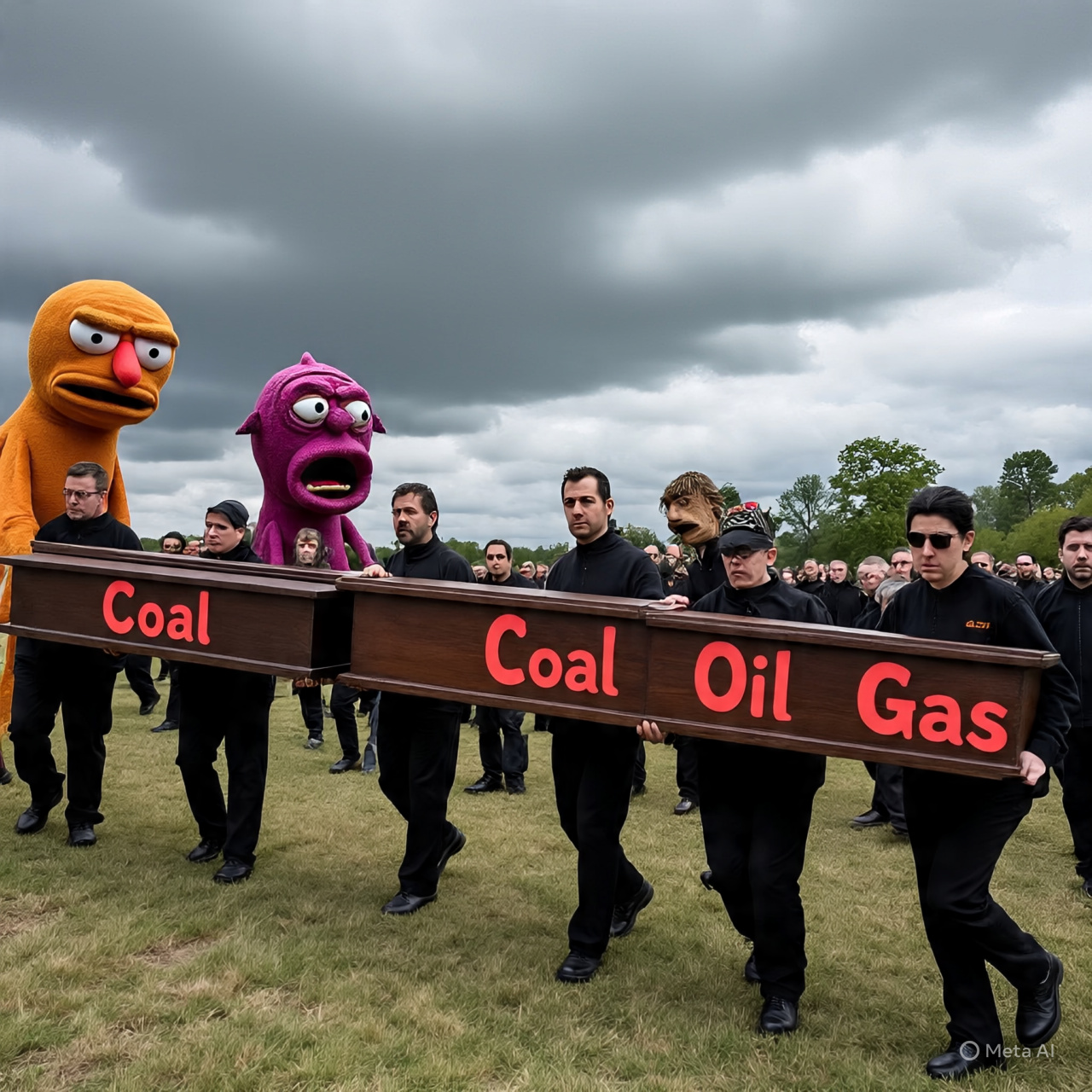
They had come for the Great People’s March, timed to mark the halfway point of the COP30 climate summit. But this was not a stroll for optics—it was a funeral, in spirit, for the age of fossil fuels. Mourners dressed in black carried coffins labeled “coal,” “oil,” and “gas,” a somber procession reminding the world that what is dying now is not only the climate but also the promise of a livable future.
As the march flowed through Belém, it swelled with voices. Indigenous communities raised their call: “Our land is not for sale.” They carried signs, painted their faces, and lifted their stories. “We can’t eat money,” said Nato, a Tupinamba leader, summoning a truth that resonates through every tree felled, every river poisoned. In the heart of the Amazon, development projects—oil drilling, illegal mining, logging—are not abstract policies, but immediate threats to ways of life, to ecosystems, and to the very air that sustains them.
The atmosphere was both festive and urgent: drums, chants, dance, even a giant puppet-like serpent carried in the march. But behind the pageantry lies deep frustration. For many, this COP is meant to be different, hosted in the Amazon itself. Yet inside the negotiation halls, the exclusion of Indigenous voices is felt sharply. Earlier this week, dozens of protesters forced their way into the COP30 venue, clashing with security as they demanded access and recognition. On another day, a sit-in blocked the main entrance for hours as the Munduruku people pressed for meetings with top leaders.
Organizers of the march are not only calling for symbolic change—they bring concrete demands. They ask for reparations for communities harmed by extractive industries, for Indigenous land rights, for climate finance that reaches the grassroots, not just conference rooms. Their message is rooted in memory: who built real solutions historically, if not the people? And their voice carries a plea: let those solutions shape the future.
Among the marchers was Raquel Wapichana, who had traveled hours to be here. “I am here for my people, my rivers, our ancestors,” she said. Her determination, like that of many others, cuts through the polished diplomatic language inside COP30 halls.
Yet walking through the streets is not easy. Security is tight. The COP30 compound, built on a former airport, has been fortified; soldiers, police, and barriers stand guard. The march itself stops a few blocks short—the protesters are kept out of the blue zone where major negotiations happen. Still, their presence is a living reminder of what stands at stake.
In their procession, in their chants, in their coffins and faces, the marchers carry more than protest—they carry a narrative of survival. Not just of trees and rivers, but of identity, dignity, and a way of life that refuses to be sacrificed in the name of “development.”
As the sun climbed higher, the march wound down. But the spirit of it – mournful, defiant, hopeful – lingers like a chant in the wind. The people of Belém are not just demanding action. They are insisting on justice.
AI Image Disclaimer “Images in this article are AI-generated illustrations, meant for concept only.”
Published by Banx Network. This article is part of the Banx decentralized media programme, powered by the BXE token on the XRP Ledger.