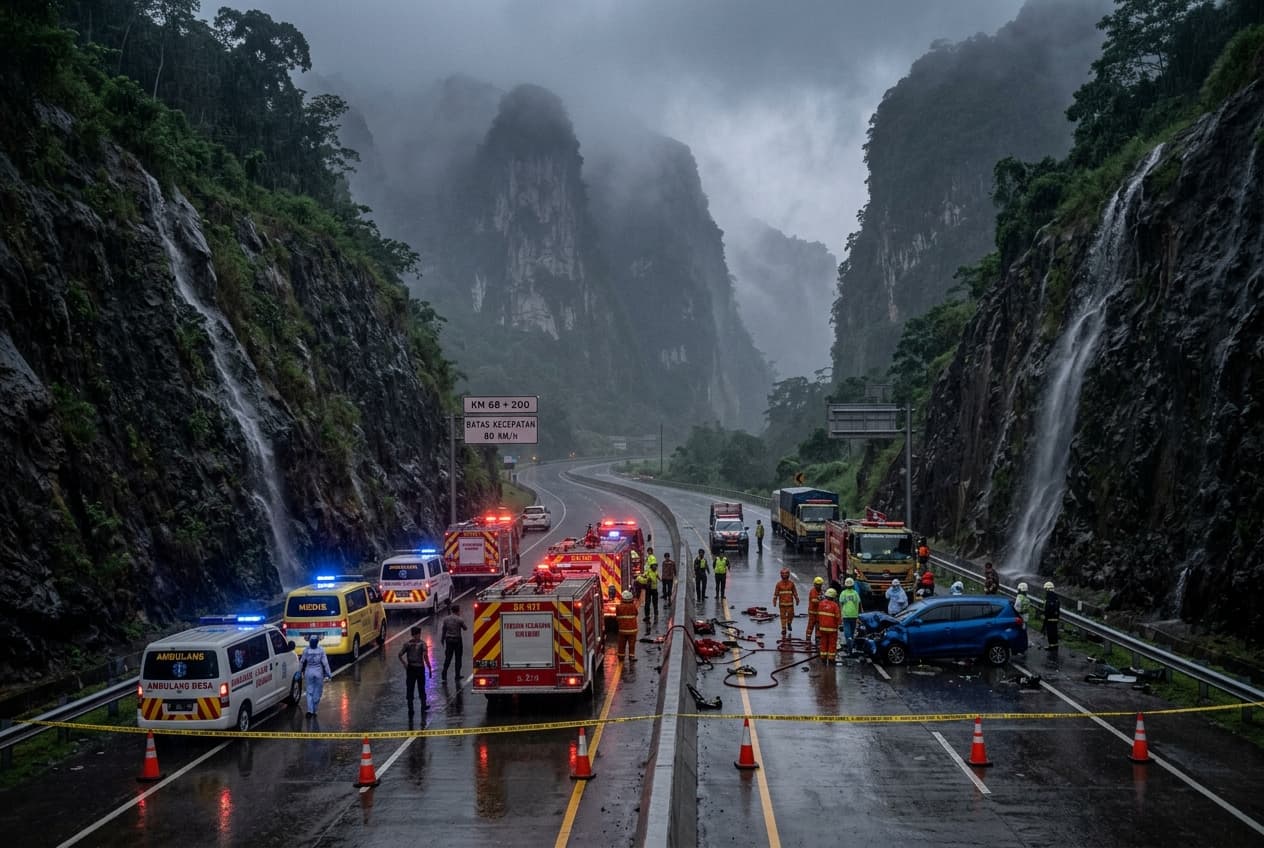
It began, as so many modern tales do, with a picture — vivid, convincing, and entirely false. In Newark, New Jersey, police officers raced through apartment courtyards and alleys after reports of monkeys on the loose. The images spreading online seemed undeniable: primates clinging to balconies, crossing lawns, peering through glass doors. But when the chase ended, there was only silence — no animals, no traces, just AI-generated illusions.
Authorities confirmed that the photos were fabricated, created by artificial intelligence and circulated widely enough to prompt panicked calls and a full-scale search. Officers combed the area, responding as they would to any credible wildlife report. What they found, however, was a hoax that blended humor, confusion, and the growing difficulty of distinguishing real from unreal in the digital age.
For Newark residents, the incident was both comic and unsettling — a reflection of how rapidly AI-generated imagery can blur trust in public alerts. What once required a camera and witness now needs only a prompt and imagination. Officials have since urged the public to verify information before sharing, noting that false reports can divert emergency resources and heighten unnecessary fear.
In a city accustomed to the unexpected, this latest scare revealed something quietly profound: that in a world saturated with images, truth has become as elusive as the monkeys that never existed.
AI Image Disclaimer
Some images in this article may be AI-generated for illustrative and educational purposes only. *Sources
Associated Press; NBC News; The New York Times; Reuters
Published by Banx Network. This article is part of the Banx decentralized media programme, powered by the BXE token on the XRP Ledger.