At the edge of our awareness, just beyond the visible spectrum of everyday life, there exists a realm we rarely think about: the tiny particles suspended in the very air we breathe. Like dandelion fluff carried on a breeze, countless microscopic spores drift through our world — unseen, usually unheeded, and mostly harmless. Among them is Aspergillus, a common genus of mould that makes its home in soil, dust, decomposing plant matter, and even household air. To most of us, these spores pass through our lungs without a trace, greeting our immune systems like neutral neighbours in a crowd. But for a few, especially those with weakened defenses, this quiet fellow can become an unwelcome guest with serious consequences.
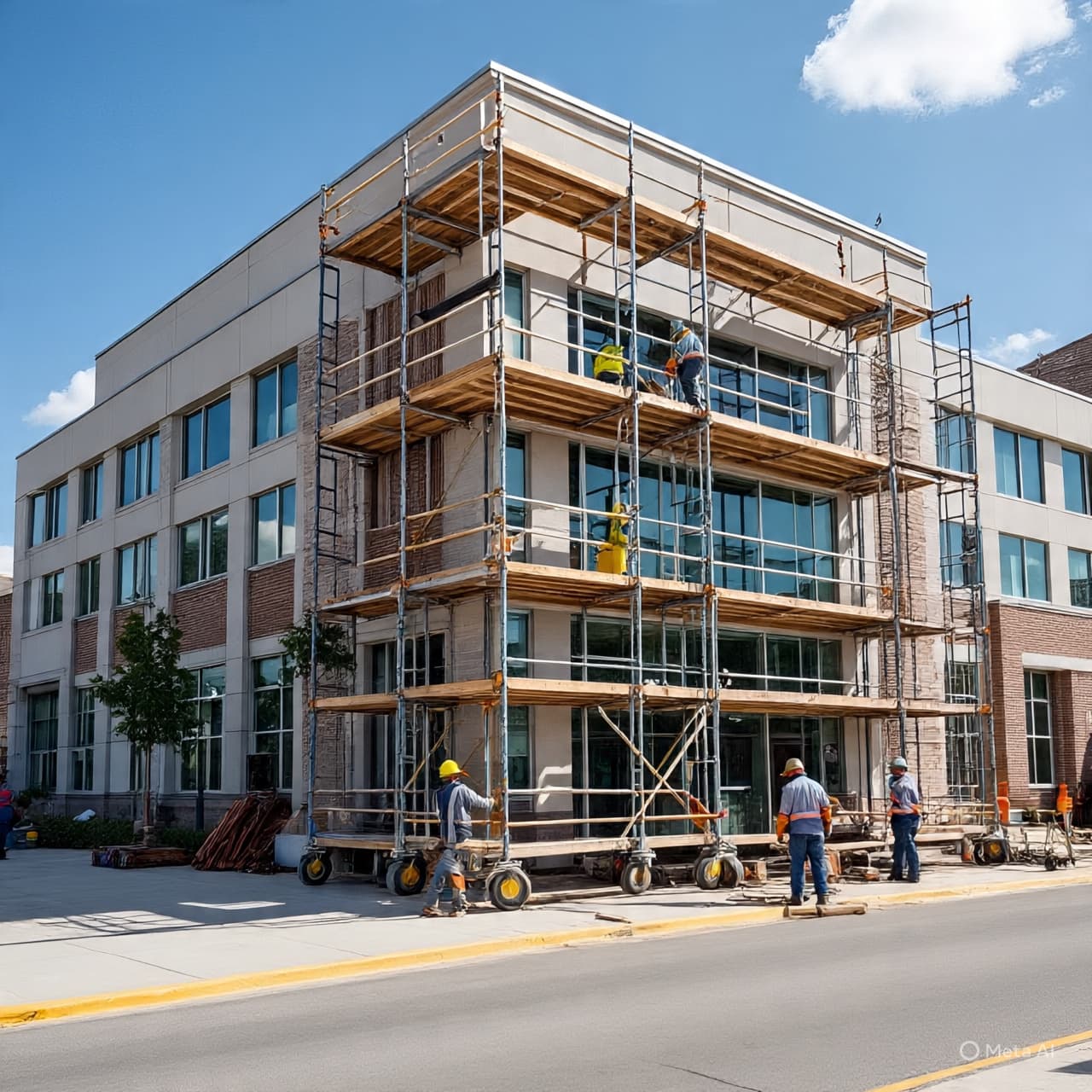
In recent months, Aspergillus has taken on a more solemn meaning in the halls of Sydney’s Royal Prince Alfred Hospital, where a cluster of fungal infections in transplant patients was linked to this very mould. Though invisible to the eye, the spores can be stirred into the air by environmental shifts — such as construction work near sensitive areas — and breathed in by those already vulnerable. When someone’s immune system operates at half strength, as it does after procedures like organ transplants or during immunosuppressive therapy, the body’s usual patrol of infection‑fighting cells may not be enough to stop these spores from settling and multiplying.
Medically, the illnesses caused by Aspergillus fall under the umbrella term aspergillosis. This can range from mild allergic reactions — a tickle in the airways on a dusty day — to chronic lung conditions, and, in the most severe cases, invasive infections that mushrooms across tissue into the bloodstream. When an immune system cannot keep pace, these infections can lead to fever, cough, chest pain, fatigue, or even spread beyond the lungs to other organs. This spectrum of disease reflects how deeply connected our internal resilience is to the world around us.
In a hospital setting, where patients are receiving care precisely because their bodies need help, the stakes are different. Air filtration systems, infection control measures, and strict environmental standards are the unseen shields designed to keep such spores at bay. But when construction dust, wind patterns, and the ordinary ubiquity of Aspergillus converge, those shields can be tested. The recent outbreak and subsequent mould findings spurred health authorities to respond with enhanced cleaning, air quality checks, patient relocations, and careful monitoring of at‑risk individuals.
While most people will never experience more than a brief encounter with Aspergillus spores in their daily lives, its capacity to affect those with weaker immune systems offers a reflective reminder of the delicate balance between our internal health and the world outside our skin. By understanding this microscopic organism and its place in the broader ecology of our environment and medical care, we are reminded that even the smallest forms of life can carry lessons in vigilance, empathy, and care.
In more direct terms, health authorities continue to investigate and monitor cases of aspergillosis, especially in clinical environments. They stress that people with healthy immune systems are generally not at risk, and that treatments with antifungal medications, along with environmental controls, are central to managing and preventing severe infections among vulnerable populations.
AI Image Disclaimer “Illustrations were produced with AI and serve as conceptual depictions, not real images.”
Source Check – Credible Sources Mayo Clinic – overview of aspergillosis and the fungus Aspergillus Centers for Disease Control and Prevention (CDC) – clinical basics and symptoms of aspergillosis American Lung Association – explanation of risk factors, causes, and impact of Aspergillus The National Tribune – explanation of Aspergillus behind recent hospital cluster ABC News – reporting on the RPA fungal cluster linked to Aspergillus in Sydney hospital
Published by Banx Network. This article is part of the Banx decentralized media programme, powered by the BXE token on the XRP Ledger.