Summer in Japan has always been a season of vibrant festivals and lush greenery, but this year, the heat has arrived with an intensity that demands a new vocabulary. For the first time in 2026, temperatures have crossed the threshold into what meteorologists now call "kokushobi," or brutally hot days. This designation, reserved for temperatures exceeding 40 degrees Celsius (104 Fahrenheit), marks a significant shift in how the nation experiences its warmest months. It is a moment that invites reflection on the changing climate and the resilience of those who call this island nation home.
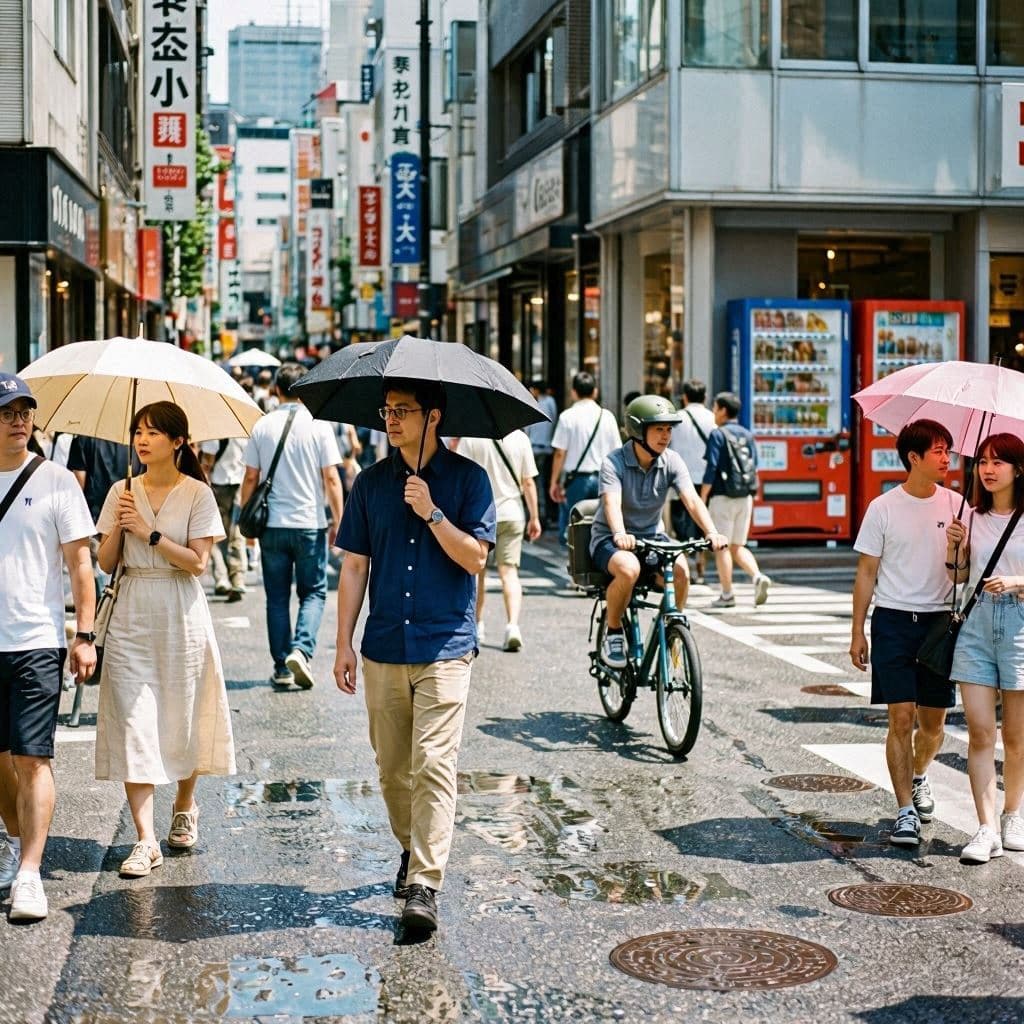
Body: The Japan Meteorological Agency introduced the term "kokushobi" earlier this year to better communicate the severe risks associated with extreme heat. Unlike previous classifications, this label underscores the life-threatening nature of such conditions. As mercury levels soared across major cities, including Tokyo and Osaka, the public was urged to take immediate precautions. The air itself seemed to shimmer with heat, transforming familiar streets into zones of caution where hydration and shade became essential survival tools.
The impact of this intense heat is felt across all sectors of society. Outdoor workers, from construction crews to delivery personnel, face heightened risks of heatstroke and exhaustion. Businesses have adjusted schedules, encouraging early starts and extended breaks during the peak afternoon hours. Schools have implemented cooling measures, ensuring that students can learn in safe environments despite the sweltering temperatures outside. These adaptations reflect a growing awareness of the need to protect vulnerable populations.
Public health officials have ramped up their efforts to prevent heat-related illnesses. Cooling centers have been opened in community halls and libraries, providing refuge for those without access to air conditioning at home. Emergency services report an increase in calls related to heat stress, highlighting the urgency of the situation. The message is clear: this is not just uncomfortable weather, but a serious public health challenge that requires collective action.
The phenomenon also raises questions about urban planning and infrastructure. Cities are exploring ways to mitigate the urban heat island effect, such as increasing green spaces, using reflective materials on buildings, and improving ventilation in crowded areas. These long-term strategies aim to create more resilient urban environments that can withstand the rising temperatures predicted by climate models. It is a proactive approach to a problem that is likely to persist.
For tourists and visitors, the experience of Japan’s summer has changed. Travel guides now emphasize the importance of staying hydrated, wearing lightweight clothing, and avoiding strenuous activity during the hottest parts of the day. While the cultural attractions remain vibrant, the physical environment demands respect and caution. This shift in travel behavior reflects a broader adaptation to the realities of a warming world.
Despite the challenges, there is a sense of communal solidarity. Neighbors check on elderly residents, sharing fans and cold drinks. Community groups organize events that celebrate summer while prioritizing safety. This spirit of cooperation helps mitigate the isolation that extreme weather can sometimes bring, fostering a sense of shared responsibility and care.
Closing: As Japan navigates these first brutally hot days of the year, the focus remains on safety and adaptation. The introduction of the "kokushobi" classification serves as a stark reminder of the changing climate. By working together and implementing effective measures, communities can endure the heat and protect the well-being of all residents.
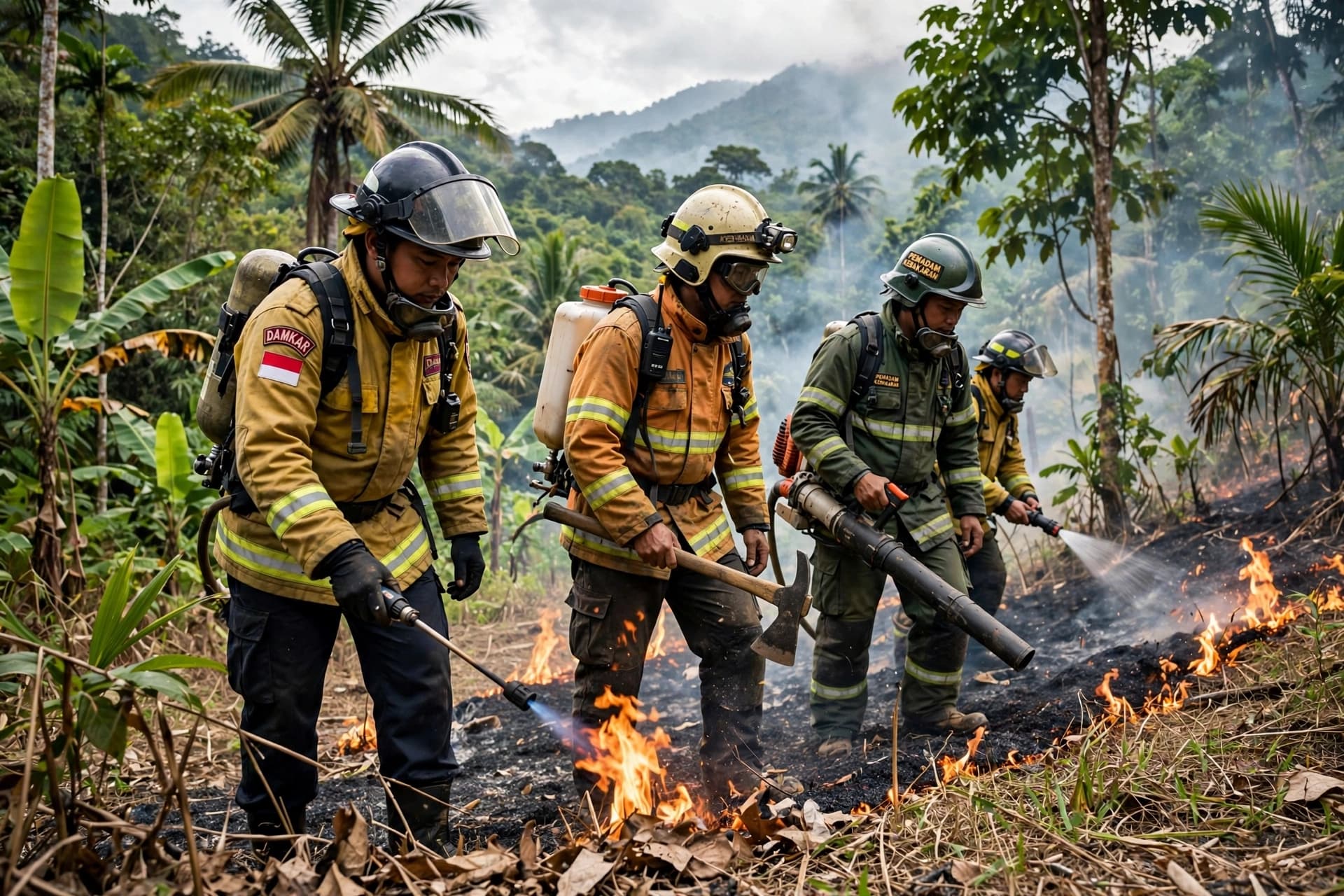
AI Image Disclaimer: The images accompanying this article are AI-generated illustrations of urban heatwaves and cooling initiatives, designed to visualize the environmental context.
Sources: Reuters The Japan Times Euronews Japan Meteorological Agency
Published by Banx Network. This article is part of the Banx decentralized media programme, powered by the BXE token on the XRP Ledger.

.jpg&w=3840&q=75 "Qantas Grounds Plane After Passengers Report Bedbug Bites")