A home once became connected when a telephone line entered through the wall. Then came broadband, smartphones, and wireless networks. Now another layer is beginning to appear: devices that can sense, communicate, and respond with the help of artificial intelligence.
Thailand's telecommunications industry is increasingly exploring this intersection between AI and the Internet of Things, commonly described as AIoT. The technology combines connected devices with artificial intelligence to create systems capable of analyzing information and responding to changing conditions.
The Global Telecom AIoT Summit held in Bangkok in June 2026 brought together telecom operators, technology companies, researchers, regulators, and other industry participants to examine the development of AIoT in Thailand.
The focus reflects a broader change within telecommunications. Networks were once primarily designed to carry voice and data. As connected devices multiply, telecom companies are increasingly becoming part of systems that manage homes, businesses, buildings, and other environments.
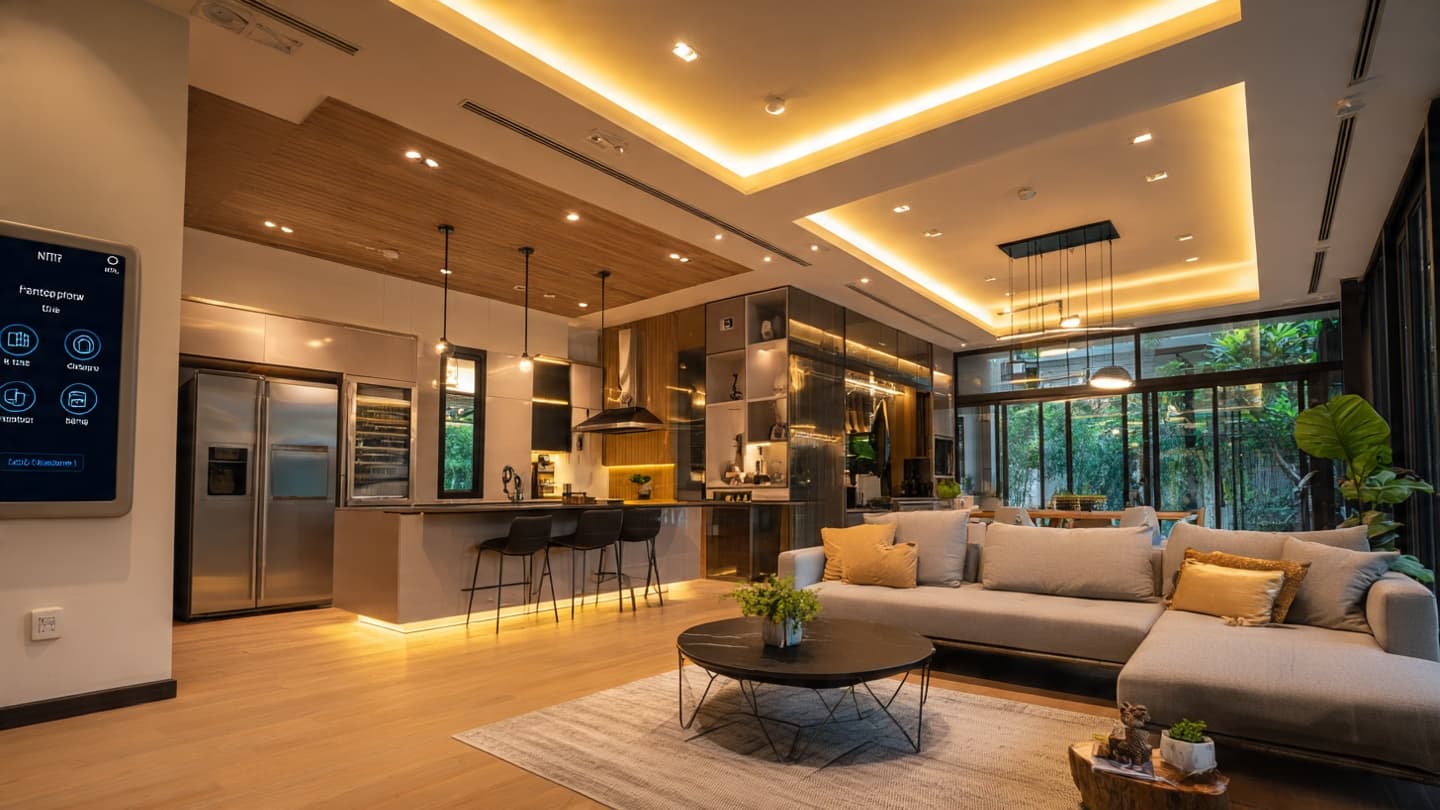
Smart-home technology is one example. Connected cameras, appliances, lighting systems, security devices, and energy-management equipment can exchange information through digital networks. AI can then help interpret that information and automate certain responses.
Businesses can apply similar technology to offices and industrial facilities. Sensors can monitor equipment, track environmental conditions, or identify unusual patterns, while AI systems analyze the resulting data.
For telecom operators, this creates new opportunities beyond connectivity subscriptions. Companies can potentially provide platforms, cloud services, AI applications, and integrated technology solutions to customers.
The expansion also raises questions about interoperability and security. Connected devices need to communicate reliably, while the information they collect must be protected. As more everyday objects become connected, cybersecurity becomes increasingly intertwined with ordinary life.
Thailand's ambition to develop a regional AIoT ecosystem is connected to its broader digital transformation. Data centers, cloud infrastructure, 5G networks, and artificial intelligence provide the technological foundation required for connected services to operate at scale.
The country's telecommunications sector is therefore moving toward a more complex role. Instead of simply connecting people to the internet, networks may increasingly connect homes, machines, businesses, and intelligent systems with one another.
The transition will likely happen gradually. A smart appliance here, an industrial sensor there, and an AI-powered service elsewhere may seem like separate developments. Together, however, they point toward a digital environment in which connectivity becomes increasingly intelligent, bringing Thailand's AI ambitions closer to the ordinary spaces where people live and work.
AI Image Disclaimer The accompanying visuals are AI-generated conceptual illustrations of connected technology and do not depict actual Thai homes, networks, or facilities.
Sources The Nation Thailand Telecommunications Association of Thailand T3 Technology
Published by Banx Network. This article is part of the Banx decentralized media programme, powered by the BXE token on the XRP Ledger.