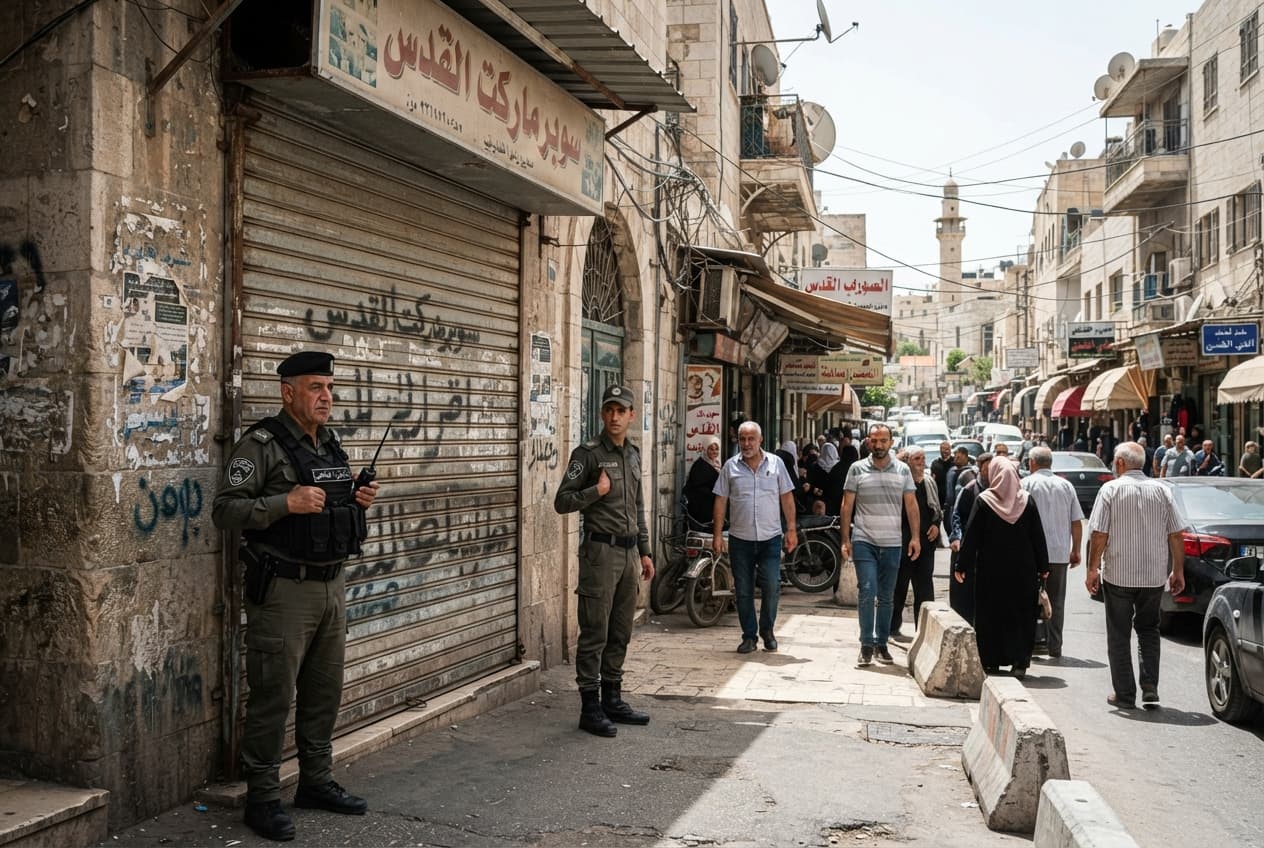
The borders of a nation are more than just lines on a map; they are spaces where the reach of the state is often tested and where the complexities of local dynamics become magnified. In the Apure state, the recent reports of violence perpetrated by armed groups against residents provide a stark illustration of this reality. For those living in these frontier territories, the border is not merely a geographic location, but a zone of profound uncertainty where the influence of illicit actors frequently supersedes the authority of the law.
The nature of this conflict is deeply unsettling. It is a form of violence that targets the civilian population, creating an environment where daily existence is dictated by the movements and decrees of armed actors. Displacement, fear, and the breakdown of normal economic activities are the hallmarks of this crisis. The residents of Apure are caught in a struggle that is not of their making, yet one that imposes the heaviest burden upon their shoulders.
Authorities and international observers have documented the tactical shifts that have led to the current situation. The presence of these groups, often motivated by the control of lucrative routes and territories, creates a volatile atmosphere that is resistant to traditional forms of intervention. The state’s ability to project authority in these remote, geographically challenging areas remains limited, leaving the local population in a state of precariousness.
The humanitarian impact of the violence is significant. Families are frequently forced to abandon their homes and livelihoods, seeking safety in urban centers or across the border. This displacement is a visible manifestation of the underlying conflict, stripping individuals of their history and their capacity to provide for themselves. It is a human crisis that demands immediate attention, yet the resolution of such conflicts is notoriously complex and slow.
Public discourse surrounding the situation in Apure is often polarized, reflecting the wider political tensions that exist within the country. However, beyond the rhetoric, there is the undeniable suffering of those who remain in the state. The need for a strategy that prioritizes the protection of these civilians while addressing the broader issue of armed group control is paramount. It is a task that requires a combination of diplomatic, humanitarian, and security efforts.
The resilience of the residents in the face of such adversity is a testament to the human capacity to endure. Yet, resilience should not be a substitute for the protection that the state is obligated to provide. The ongoing violence is a signal that the status quo is unsustainable and that the current approach to border management is failing to address the fundamental security needs of those who call these territories home.
As the situation evolves, the focus of international agencies and domestic authorities remains on monitoring the conditions and advocating for the cessation of hostilities. The goal is to create a space where the rule of law can be restored and where residents can live without the constant threat of armed coercion. It is a long and arduous process, one that requires a sustained commitment to peace-building in the most challenging of environments.
Reports from the Apure state indicate an escalation in confrontations between local residents and various armed groups operating within the border regions. Security forces have mobilized additional units to the area to stabilize the territory and protect civilian populations. Government officials are currently assessing the impact of this violence and are in consultation with regional stakeholders to establish a sustainable security framework.
Published by Banx Network. This article is part of the Banx decentralized media programme, powered by the BXE token on the XRP Ledger.