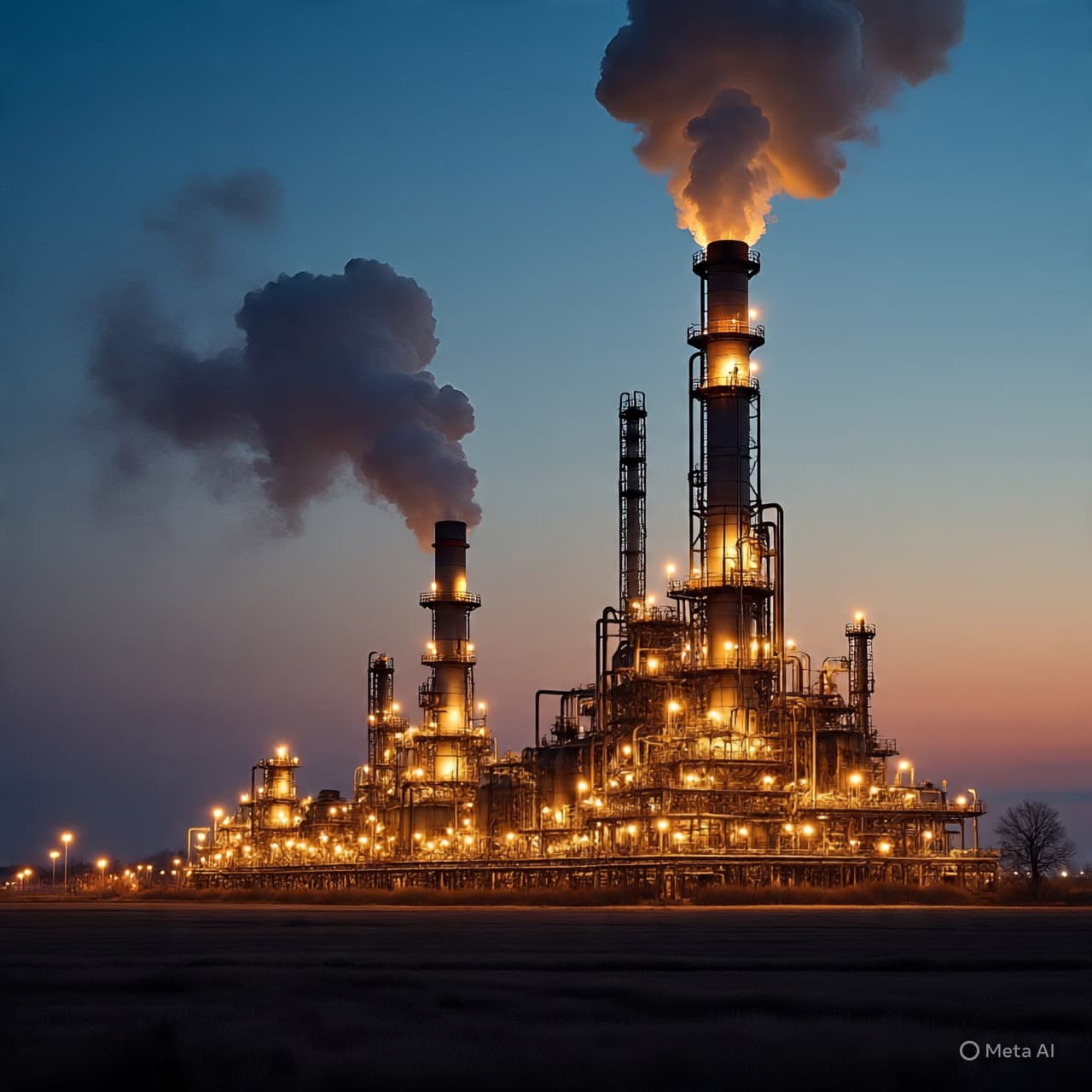
Markets, like oceans, often appear calm until something shifts beneath the surface. A ripple in one corner can travel far beyond its origin, reaching shores that seemed distant and untouched. In times of geopolitical tension, that ripple is often felt first in energy—where uncertainty moves quickly, and prices respond before clarity arrives.
In recent days, oil markets have reacted sharply to signs of escalating conflict in the Middle East, with prices climbing as investors weigh the possibility of wider disruption. The region, long central to global energy supply, once again finds itself at the center of a delicate balance between stability and strain.
Benchmark crude prices rose as reports pointed to increased military activity and the potential involvement of additional actors. While supply routes have not yet been significantly interrupted, the concern lies in what could happen next—particularly around critical transit points such as the , through which a substantial portion of the world’s oil shipments pass.
The reaction in markets reflects not only current conditions but anticipation. Traders are factoring in the risk that even limited escalation could affect production, transportation, or insurance costs tied to oil shipments. In such moments, prices often move ahead of events, shaped as much by expectation as by reality.
At the same time, analysts note that global supply remains relatively stable for now. Major producers have not announced significant output disruptions, and strategic reserves in various countries provide a buffer against sudden shocks. Yet the margin between stability and volatility can be narrow, particularly when geopolitical developments evolve rapidly.
The situation also highlights how interconnected modern energy systems have become. A regional conflict can influence fuel costs, inflation expectations, and broader economic sentiment across continents. For consumers, the impact may eventually be felt at the pump or in the cost of goods—subtle at first, then more visible over time.
Still, markets are known to adjust as quickly as they react. Should tensions ease, prices may settle. Should uncertainty deepen, the upward pressure could persist.
For now, oil’s movement serves as a quiet signal—one that reflects not just supply and demand, but the shifting landscape of global events.
AI Image Disclaimer Graphics are AI-generated and intended for representation, not reality.
Source Check Credible coverage exists from:
Bloomberg Reuters CNBC Financial Times Al Jazeera
Published by Banx Network. This article is part of the Banx decentralized media programme, powered by the BXE token on the XRP Ledger.