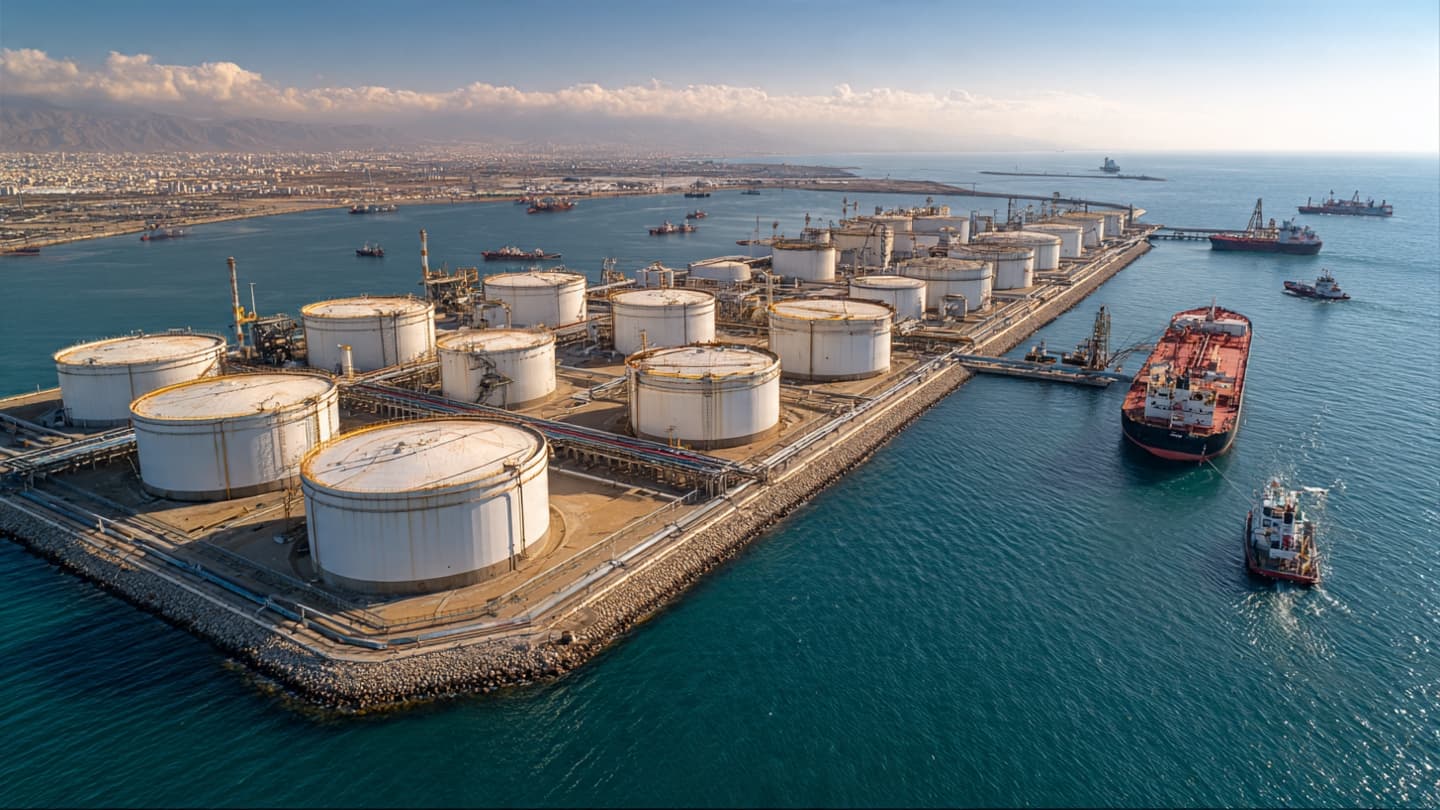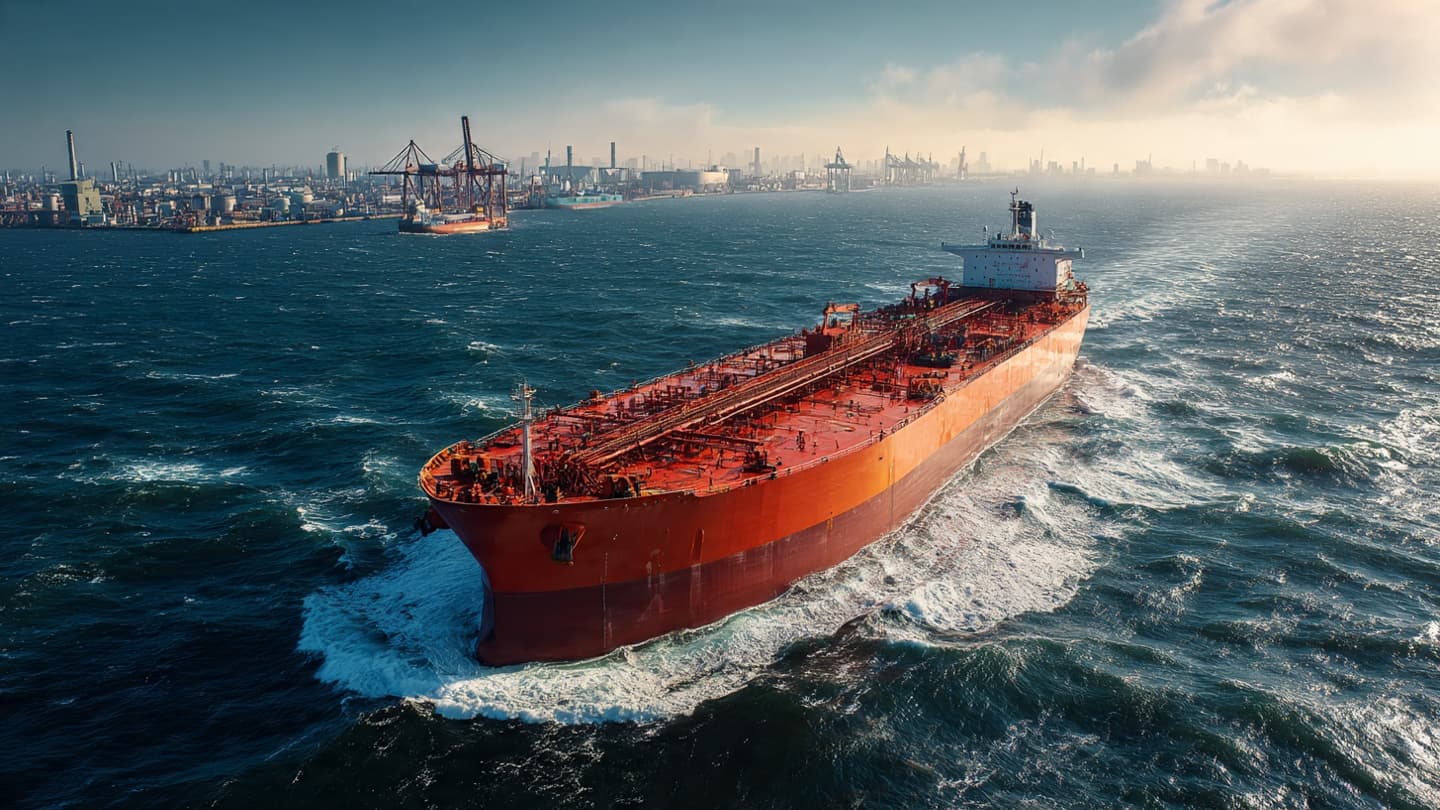
Oil markets often respond to events that happen far from the places where consumers eventually feel their effects. A ship slowing in a narrow waterway can travel through the market as a signal, reaching refineries, traders and fuel stations thousands of miles away.
That movement was visible again on September 7, when oil prices climbed more than $1 a barrel amid renewed disruptions affecting shipping around the Strait of Hormuz. Brent crude rose 1.25% to $97.48 a barrel, while U.S. West Texas Intermediate reached $92.62.
The price increase came as maritime traffic through Hormuz declined. An average of about 10 commodity ships per day crossed the waterway over the preceding 10 days, the lowest level since May, according to Kpler data cited by Reuters.
Hormuz is particularly important to energy markets because it connects major Gulf producers with international shipping routes. A significant share of the world's oil and liquefied natural gas normally passes through the waterway, making changes in vessel traffic closely watched by commodity traders.
The latest movement in prices therefore reflects more than the immediate cost of crude. Traders are also assessing how long disruptions might last, whether alternative routes can absorb some cargoes and how quickly energy companies can adjust to changing shipping conditions.
The market had already been moving higher during the previous week. Brent crude ended the week with a gain of about 7.6%, while WTI rose roughly 10%, according to Reuters. U.S. diesel prices also reached a record level as supply concerns intensified.
Analysts are now considering a wider range of possible outcomes. Goldman Sachs warned that oil could reach as high as $120 a barrel if attacks affecting Middle Eastern vessels intensify, while a normalization of regional exports could eventually push prices closer to $80.
For businesses, higher crude prices can move through the economy in several ways. Transportation companies may face higher fuel expenses, manufacturers can encounter increased energy costs, and consumers may eventually see changes in prices for gasoline, diesel and other petroleum-related products.
At the same time, producers outside the immediate region may benefit from stronger prices if they are able to increase output. That response, however, takes time, and the speed at which additional supply can reach international markets depends on production capacity, infrastructure and shipping availability.
The coming days will therefore be important for energy markets. Whether tanker traffic through Hormuz stabilizes, falls further or begins to recover will help determine whether the current rise in oil prices becomes a short-lived market reaction or develops into a broader supply concern.
AI Image Disclaimer: The accompanying visuals are AI-generated conceptual depictions and should not be interpreted as photographs of actual tanker incidents or live oil-market conditions.
Sources: Reuters
Published by Banx Network. This article is part of the Banx decentralized media programme, powered by the BXE token on the XRP Ledger.