
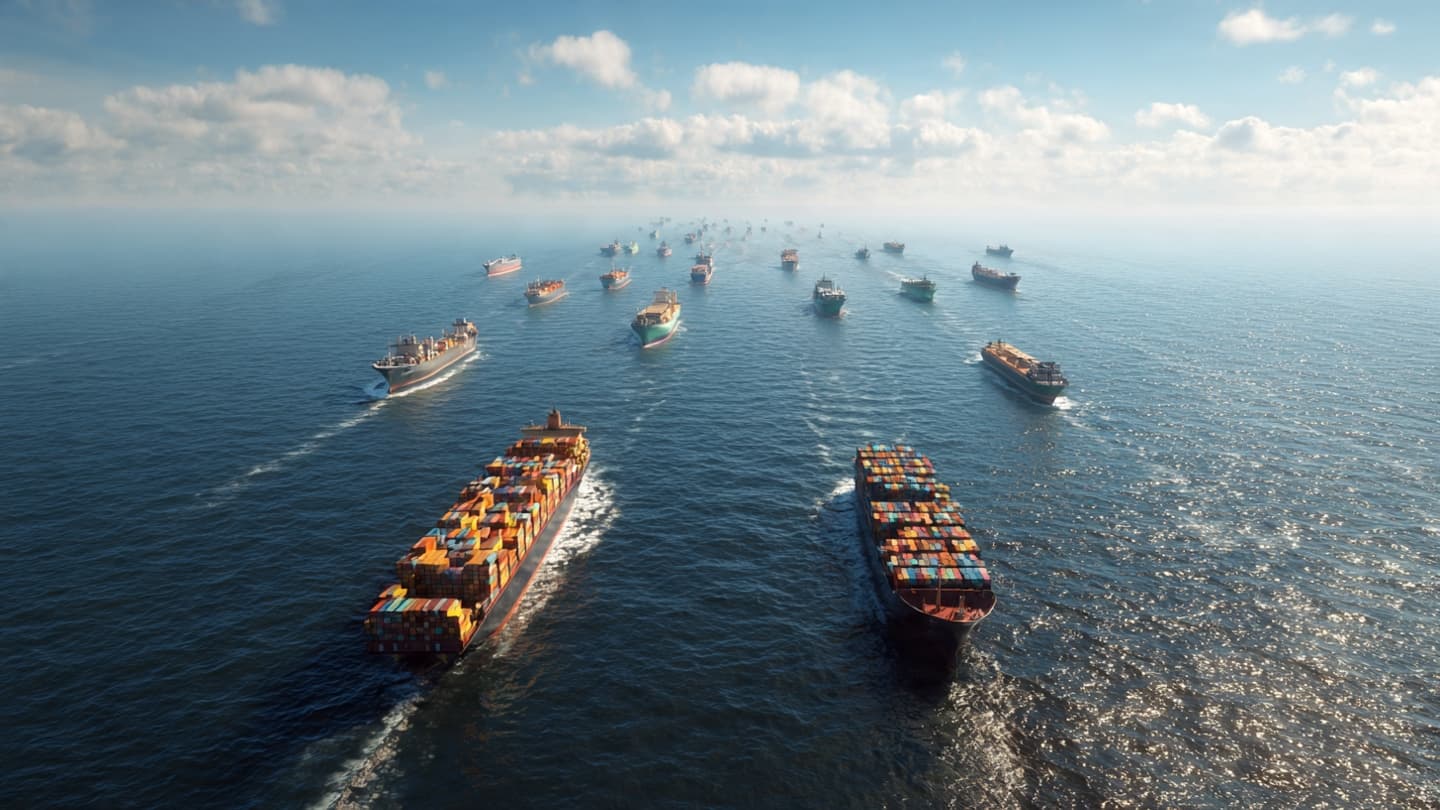
Key Highlights
- Increased tanker activity in Middle Eastern shipping lanes signals recovery in global trade.
- Energy transportation remains a primary function of these shipping corridors.
- Ports along major routes are experiencing heightened operational activity.
The maritime industry has long been the backbone of international commerce, with shipping routes acting as vital arteries for global trade. Recently, a notable uptick in tanker activity along key Middle Eastern shipping lanes has captured the attention of industry stakeholders and analysts alike. This resurgence is seen as a positive indicator of improving operational conditions and renewed confidence among shipping operators responsible for transporting essential commodities.
According to maritime tracking services, there has been a marked increase in the movement of energy tankers across several critical routes. This rise in activity is not merely a reflection of seasonal trends but suggests a broader recovery in global trade dynamics. The transportation of crude oil, liquefied petroleum products, and other related resources through these corridors is crucial, as these commodities ultimately reach refineries, industries, and consumers in international markets.
In response to the growing demand, shipping companies are gradually expanding their operational schedules. Fleet managers are actively evaluating route efficiency, safety considerations, and commercial demand to adjust transportation capacity in line with changing market conditions. This proactive approach is essential for maintaining competitiveness in a rapidly evolving global landscape.
Ports situated along these major shipping corridors are also witnessing increased activity. The higher volume of vessel arrivals not only supports employment but also enhances logistics services and cargo handling operations. This uptick in port activity contributes to broader economic engagement within maritime communities, fostering growth and stability in regions reliant on shipping and trade.
Industry analysts emphasize that tanker activity often serves as a barometer of confidence within energy markets. An increase in transportation volumes can indicate improved expectations regarding supply stability and future commercial activity. As such, the current trends in tanker movements are being closely monitored by businesses connected to shipping, logistics, and energy markets.
Technological advancements continue to play a pivotal role in supporting these operations. Enhanced navigation systems, vessel monitoring platforms, and digital logistics tools are helping operators improve efficiency while adhering to high operational standards. These innovations are crucial for navigating the complexities of modern maritime trade and ensuring the seamless flow of goods across borders.
While maritime stakeholders remain vigilant regarding potential challenges, the overall trend toward increased tanker movements is being viewed positively across much of the industry. As tankers traverse strategic routes in the Middle East, their journeys symbolize not just the movement of cargo but also the resilience of global trade networks. This ongoing effort to maintain the flow of resources is vital for sustaining economic activity worldwide.
Published by Banx Network. This article is part of the Banx decentralized media programme, powered by the BXE token on the XRP Ledger.



