
Key Highlights
- Rising energy prices are impacting French businesses' profitability.
- Shipping disruptions are complicating logistics and supply chains.
- Companies are adopting strategies to enhance resilience and flexibility.
As global commerce continues to evolve, the unseen movements of goods, energy, and resources form the backbone of economic activity. However, when disruptions occur, their significance becomes glaringly apparent. In France, businesses are increasingly grappling with the dual challenges of escalating energy prices and ongoing disruptions in global shipping routes, which are reshaping operational strategies across various sectors.
The manufacturing sector, in particular, relies heavily on stable energy supplies to maintain production levels. While energy markets have shown some stabilization compared to previous volatility, uncertainty remains a constant factor. Companies must navigate these fluctuations when budgeting and forecasting, as even slight increases in energy costs can have a profound impact on profitability, especially for energy-intensive industries.
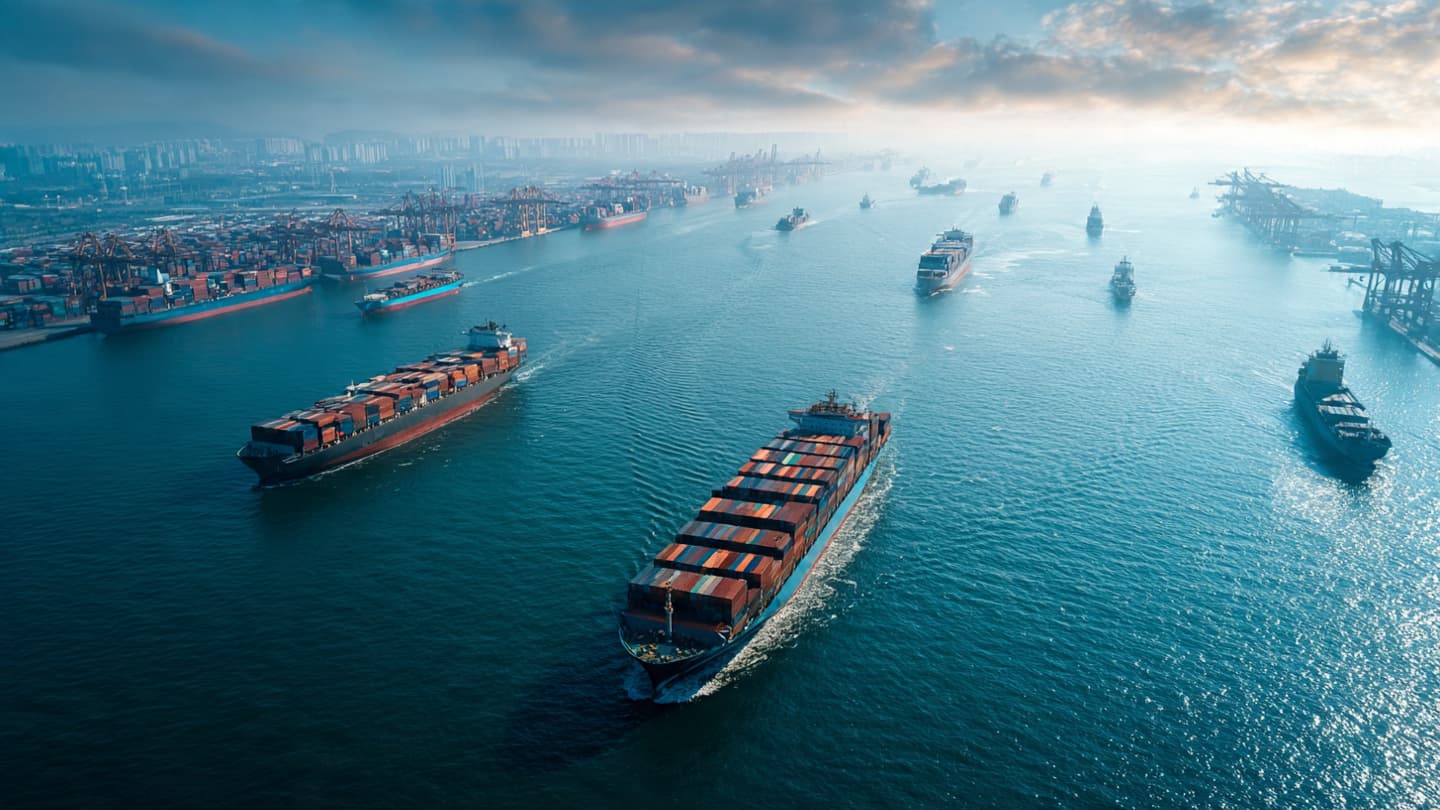
Shipping disruptions add another layer of complexity to the supply chain landscape. Geopolitical tensions, security issues, and logistical bottlenecks have led to longer transit times and increased transportation costs. For manufacturers and retailers who depend on imported materials or international exports, these challenges can disrupt production schedules and inventory management. In response, many businesses are opting to increase stock levels, diversify their supplier base, or explore alternative transportation methods, although these strategies often come with additional costs.
The retail sector is not immune to these pressures either. Products sourced from international markets may become pricier or delayed, forcing businesses to balance customer expectations with the realities of fluctuating logistics conditions. This often necessitates greater flexibility and proactive planning to ensure that shelves remain stocked and customers remain satisfied.
Despite these ongoing challenges, many organizations have taken significant steps to bolster their resilience since previous global disruptions. The lessons learned from past supply chain interruptions and energy market volatility have prompted businesses to develop comprehensive contingency plans and enhance operational flexibility. Economists now argue that resilience is not merely a temporary response but a strategic priority for long-term competitiveness.
Investments in supply chain diversification, energy efficiency, and risk management are increasingly viewed as essential components of a robust business strategy. These measures not only help mitigate the impact of current disruptions but also position companies to better withstand future challenges.
France's status as a major European economy offers distinct advantages in navigating these turbulent times. With strong infrastructure, a diversified industrial base, and access to regional markets, French businesses are better equipped to adapt and recover from disruptions. While the road ahead may be fraught with challenges, the economic strengths of the country provide a solid foundation for resilience.
As energy costs and shipping disruptions continue to shape the business landscape, French companies are exemplifying the importance of adaptability in an interconnected world. The challenges may alter traditional routes and increase operational costs, but they also foster innovation, preparation, and resilience. In the ever-evolving realm of global commerce, these qualities may prove to be as valuable as the goods that traverse the supply chains themselves.
Published by Banx Network. This article is part of the Banx decentralized media programme, powered by the BXE token on the XRP Ledger.



